 Geschichte Bulgariens
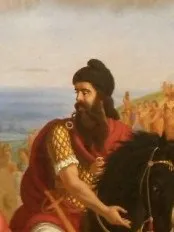
Erstes Bulgarisches Reich · Khan
Asparuch
Gründete nach einem Krieg mit Byzanz das Donaubulgarische Reich.
Hinweise zur Datierung finden Sie in den Quellen.
Leben
Redaktioneller Entwurf
Asparuch stammte aus Kubrats Familie. Theophanes und Nikephoros schrieben erst später über seinen Krieg mit Byzanz; beide waren keine Augenzeugen. Sie beschreiben eine durch Sümpfe geschützte Stellung namens Onglos. Ihre genaue Lage ist weiterhin umstritten. Führte die Bulgaren an der unteren Donau. Der byzantinische Feldzug gegen ihn endete mit einem Rückzug. Der Frieden von 681 sah eine Zahlung des Reiches vor. Der Vertrag ist ein zeitlicher Bezugspunkt, kein Beleg für eine Staatsgründung über Nacht.
Öffnen · AsparuchLeistungen
- Führte die Bulgaren an der unteren Donau
- Der byzantinische Feldzug gegen ihn endete mit einem Rückzug
- Der Frieden von 681 sah eine Zahlung des Reiches vor
In unseren Geschichten
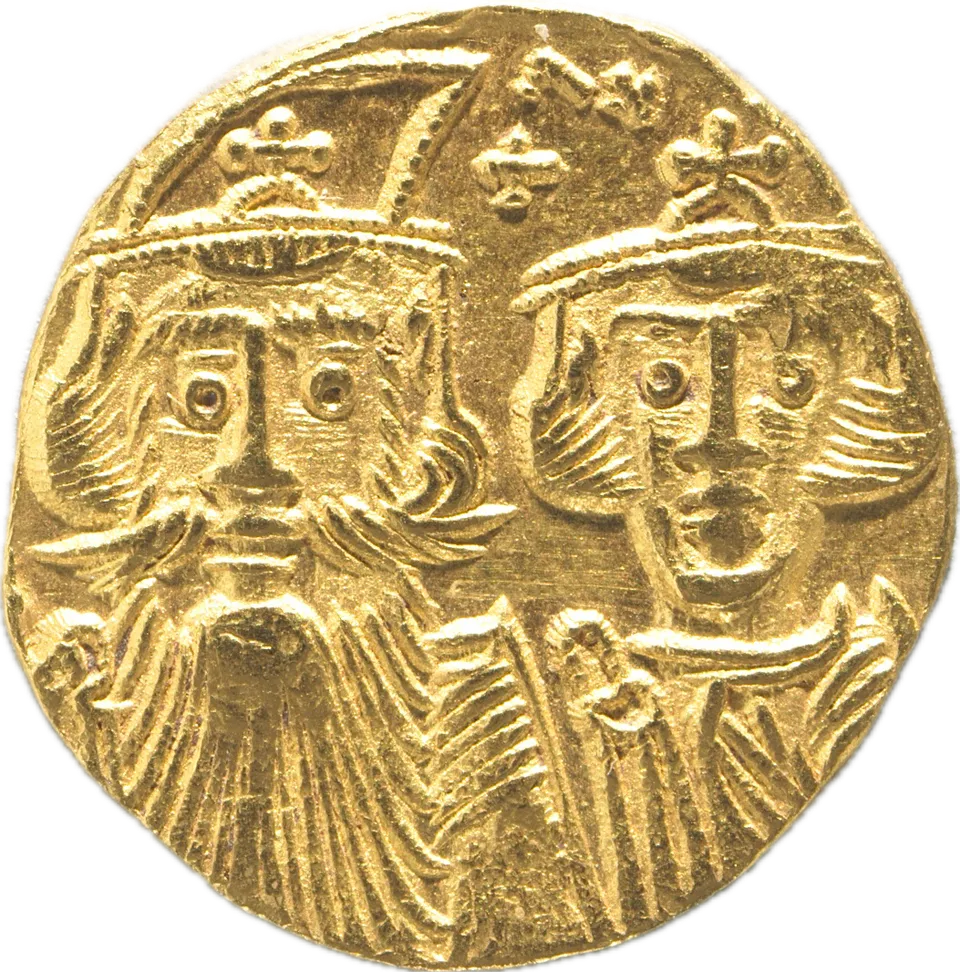
I. Bulgar. Reich
Asparuch: Woher kommt 681?
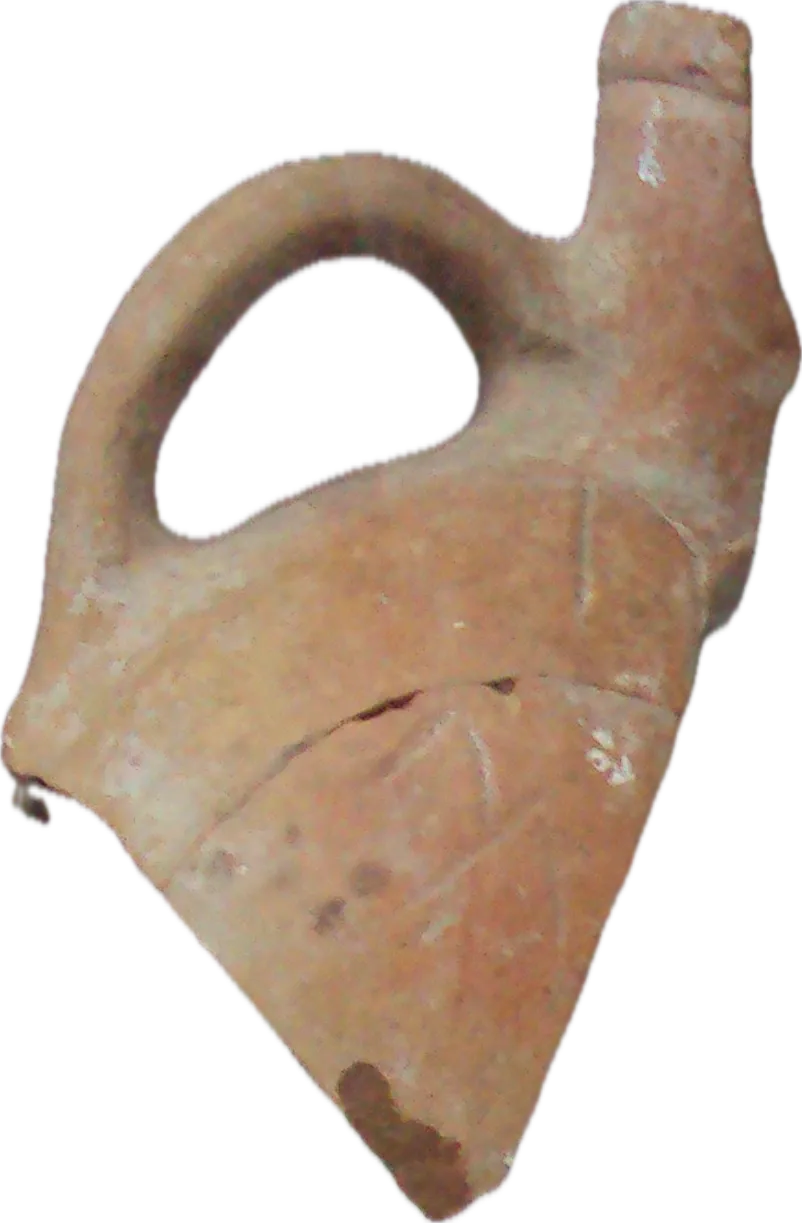
I. Bulgar. Reich
Pliska: Wall, Palast und Inschrift
Quellen
- Ian S. R. Mladjov Bulgaria (Bălgarija): kings and emperors of the Bulgarians; princes of Bulgaria and kings of the Bulgarians
- John R. Martindale (editor); King’s College London Old Bulgarian Rulers
- Cleveland Museum of Art Solidus with Busts of Constans II and Constantine IV (obverse)
Alle Quellen (12)
- Cleveland Museum of Art Solidus of Constans II and Constantine IV with a Cross Potent on Three Steps (reverse)
- Wikimedia geographical database contributors Constantinople: geographical record
- Wikimedia geographical database contributors Danube Delta
- Wikimedia geographical database contributors Pliska palace centre: geographical record
- Third Council of Constantinople; ed. Giovanni Domenico Mansi; Bulgarian translation Ivan Dujčev Actio XVI: statement of Constantine, presbyter of Apamea PDF
- Павел Георгиев / Pavel Georgiev Могилният комплекс при Кабаюк и началото на Плиска / Barrow Assemblage at Kabayuk and the Foundation of Pliska
- Alexandru Madgearu Recent Discussions about “Onglos” PDF
- Theophanes the Confessor; ed. Carl de Boor; tr. Cyril Mango and Roger Scott, with Geoffrey Greatrex Chronographia, AM 6171 PDF
- Jesse W. Torgerson and Mike Humphreys Chronicles, Histories, and Letters PDF
Abbildungen
Spätere künstlerische Darstellung
Nikolai Pavlovich · Public domain · Wikimedia Commons
Spätere künstlerische Darstellung · 19. Jahrhundert
Vollständige Bildangabe
Nikolai Pavlovich (1835–1894) / Wikimedia Commons · Public domain. Later artistic depiction · detail