 History of Bulgaria
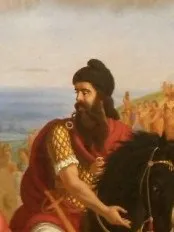
First Bulgarian Tsardom · Khan
Asparuh
Founded Danube Bulgaria after a war with Byzantium.
See the sources for the dating evidence.
Life
Editorial draft
Asparuh was a ruler of Kubrat’s family. The accounts of his war with Byzantium were written later by Theophanes and Nikephoros, neither an eyewitness. They describe a defended position beside marshes called Onglos; its exact location remains disputed. Led the Bulgars at the lower Danube. The Byzantine campaign against him ended in retreat. The peace of 681 included a payment by the empire. The treaty is a reference date, rather than proof that a state appeared overnight.
Open · AsparuhAchievements
- Led the Bulgars at the lower Danube
- The Byzantine campaign against him ended in retreat
- The peace of 681 included a payment by the empire
In our stories
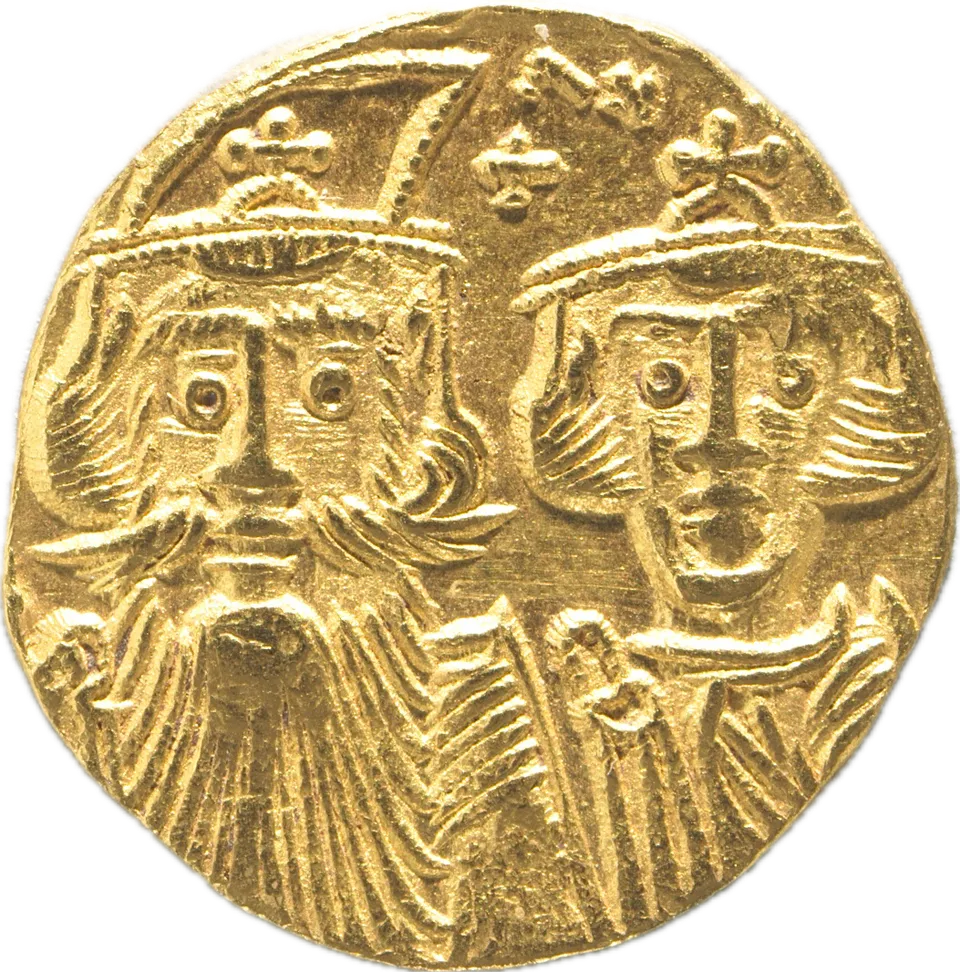
First Tsardom
Asparuh: why 681?
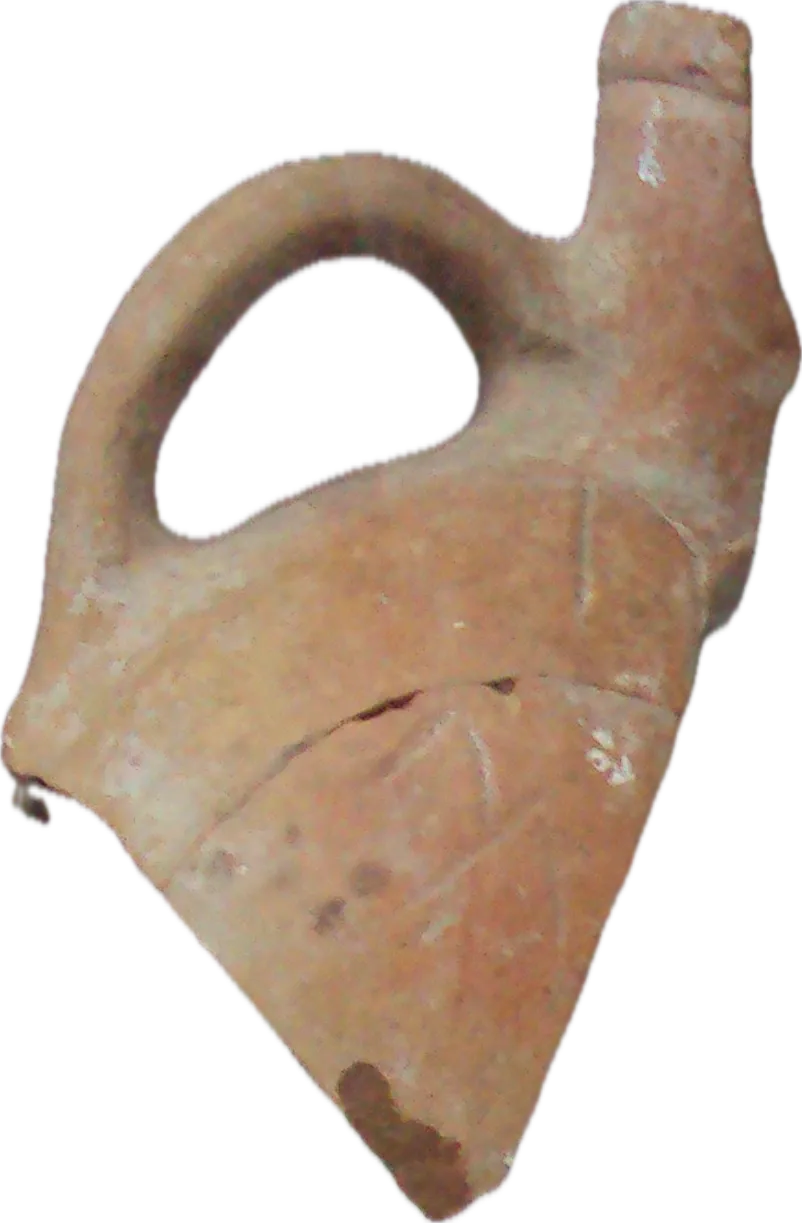
First Tsardom
Pliska: the rampart, palace and inscription
Sources
- Ian S. R. Mladjov Bulgaria (Bălgarija): kings and emperors of the Bulgarians; princes of Bulgaria and kings of the Bulgarians
- John R. Martindale (editor); King’s College London Old Bulgarian Rulers
- Cleveland Museum of Art Solidus with Busts of Constans II and Constantine IV (obverse)
All sources (12)
- Cleveland Museum of Art Solidus of Constans II and Constantine IV with a Cross Potent on Three Steps (reverse)
- Wikimedia geographical database contributors Constantinople: geographical record
- Wikimedia geographical database contributors Danube Delta
- Wikimedia geographical database contributors Pliska palace centre: geographical record
- Third Council of Constantinople; ed. Giovanni Domenico Mansi; Bulgarian translation Ivan Dujčev Actio XVI: statement of Constantine, presbyter of Apamea PDF
- Павел Георгиев / Pavel Georgiev Могилният комплекс при Кабаюк и началото на Плиска / Barrow Assemblage at Kabayuk and the Foundation of Pliska
- Alexandru Madgearu Recent Discussions about “Onglos” PDF
- Theophanes the Confessor; ed. Carl de Boor; tr. Cyril Mango and Roger Scott, with Geoffrey Greatrex Chronographia, AM 6171 PDF
- Jesse W. Torgerson and Mike Humphreys Chronicles, Histories, and Letters PDF
Images
Later artistic depiction
Nikolai Pavlovich · Public domain · Wikimedia Commons
Later artistic depiction · 19th century
Full attribution
Nikolai Pavlovich (1835–1894) / Wikimedia Commons · Public domain. Later artistic depiction · detail