 History of Bulgaria
Illustrated history
History of Bulgaria
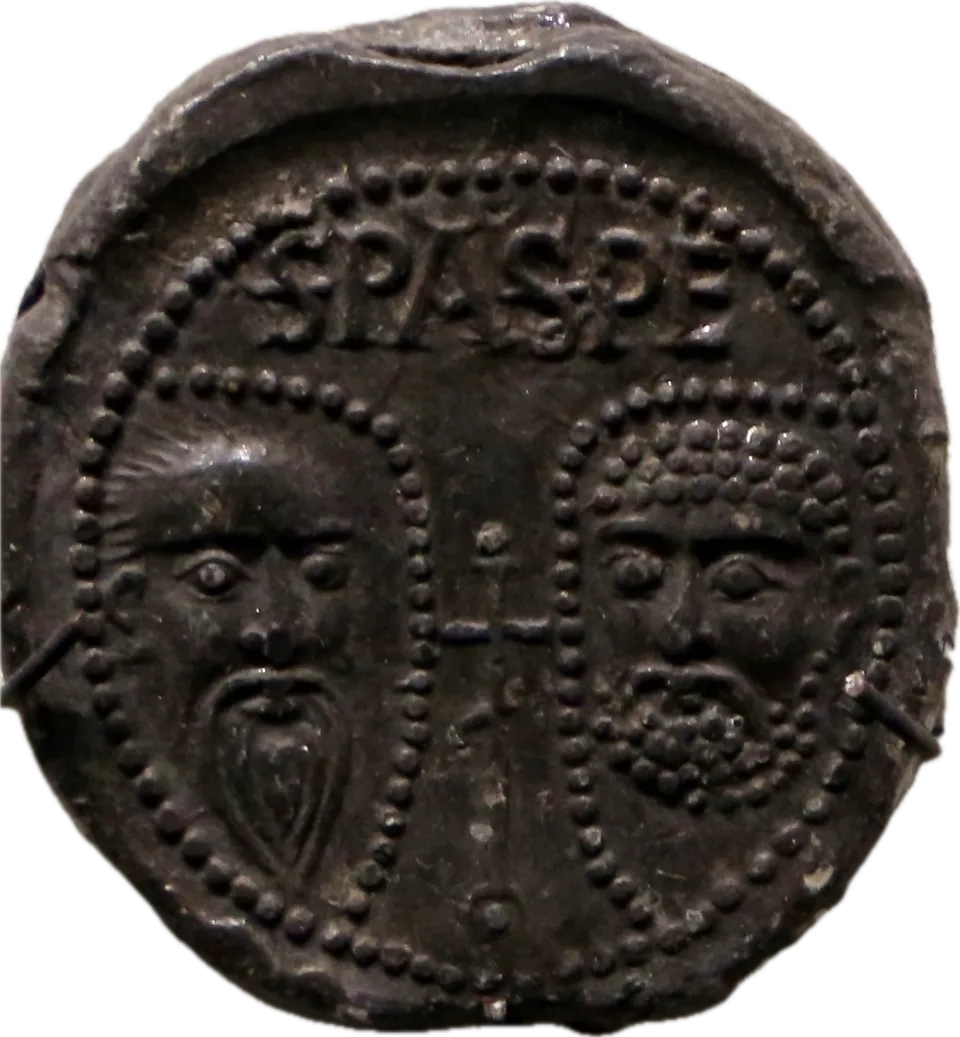
Sailko · CC BY 3.0 · Wikimedia Commons
The photograph’s title attributes it to Innocent III and says it was found in Dublin. Paul and Peter are visible.
Full attribution
Sailko / Wikimedia Commons, CC BY 3.0. The photograph’s title attributes it to Innocent III and says it was found in Dublin. Paul and Peter are visible. Unmodified. Cut-out detail; background removed.
Story of the day · Adrianople
Kaloyan and the captured emperor
How does Baldwin become a prisoner?
On this day
The Serbo-Bulgarian War begins
Serbia declares war on Bulgaria shortly after Unification.
2 November 1885 Old Style (14 November 1885 New Style)
Did you know · 1/3
Taşdemir distinguishes Ottoman attacks on 21–23 August and Russian counterattacks on 24–26 August 1877.
Find of the day
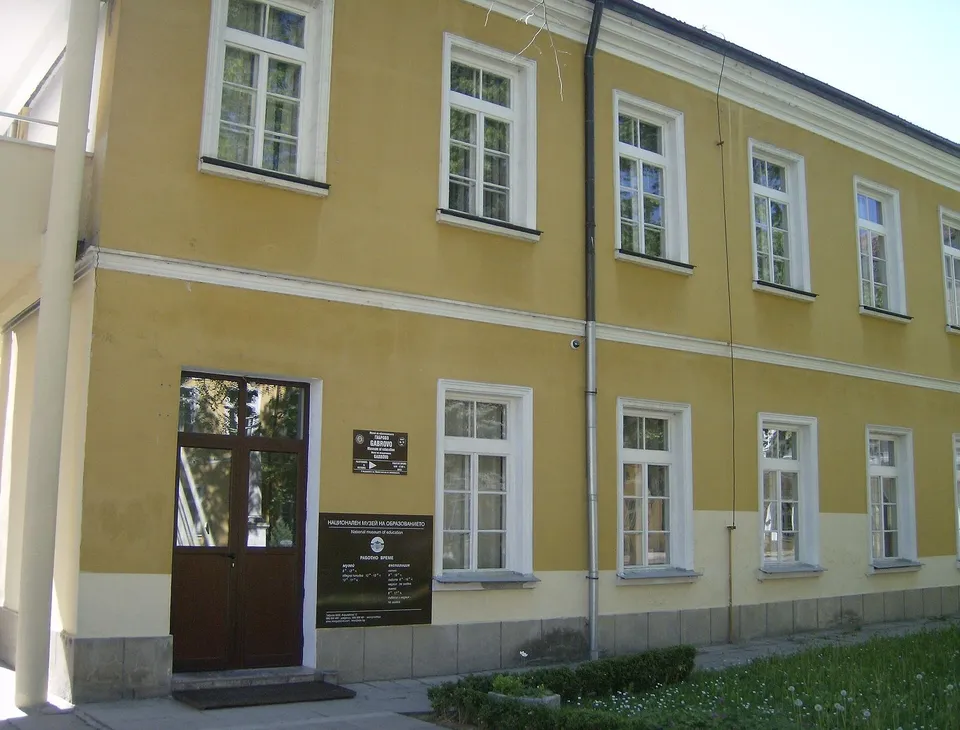
Izvora · Public domain (PD-self) · Wikimedia Commons
Full attribution
Entrance to the National Museum of Education, Gabrovo. Construction of the main building began in 1851. The National History Museum gives completion in 1872; the Virtual Museum records consecration in the 1873–1874 school year. The complex also has later additions. Photo: Izvora / Wikimedia Commons, Public domain. Processed image.
Aprilov school building
How old is this object?
Bookmarks
From today into the deep past
8,000 years on one ribbon
20th century
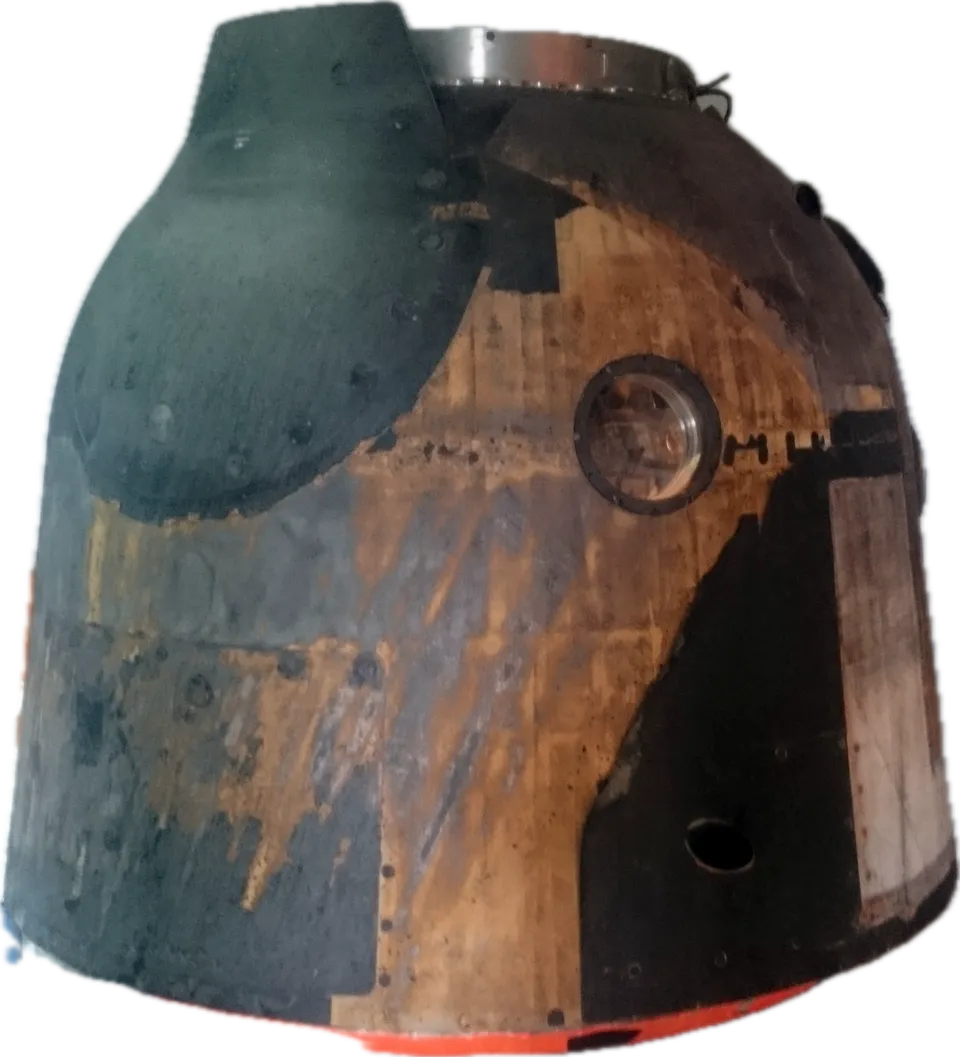
All stories · 8Scroch · CC BY-SA 4.0 · Wikimedia Commons
Full attribution
Photo: Scroch / Wikimedia Commons, CC BY-SA 4.0. Cut-out detail; background removed.
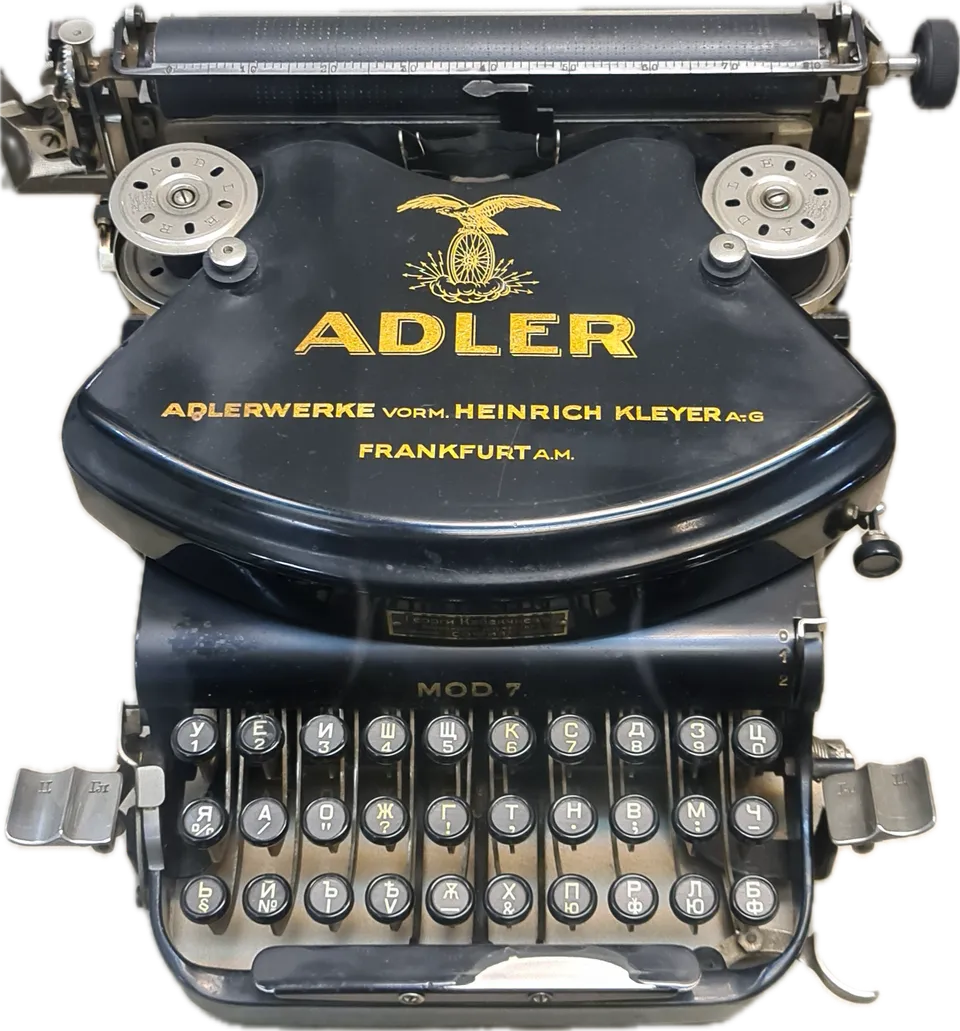
Photo
Biser Todorov · CC BY-SA 4.0 · Wikimedia Commons
An Adler typewriter labelled in the museum as belonging to Peshev. No evidence establishes that it was used for the letter.
Full attribution
Biser Todorov / Wikimedia Commons / CC BY-SA 4.0. An Adler typewriter labelled in the museum as belonging to Peshev. No evidence establishes that it was used for the letter. Cut-out detail; background removed. Museum display
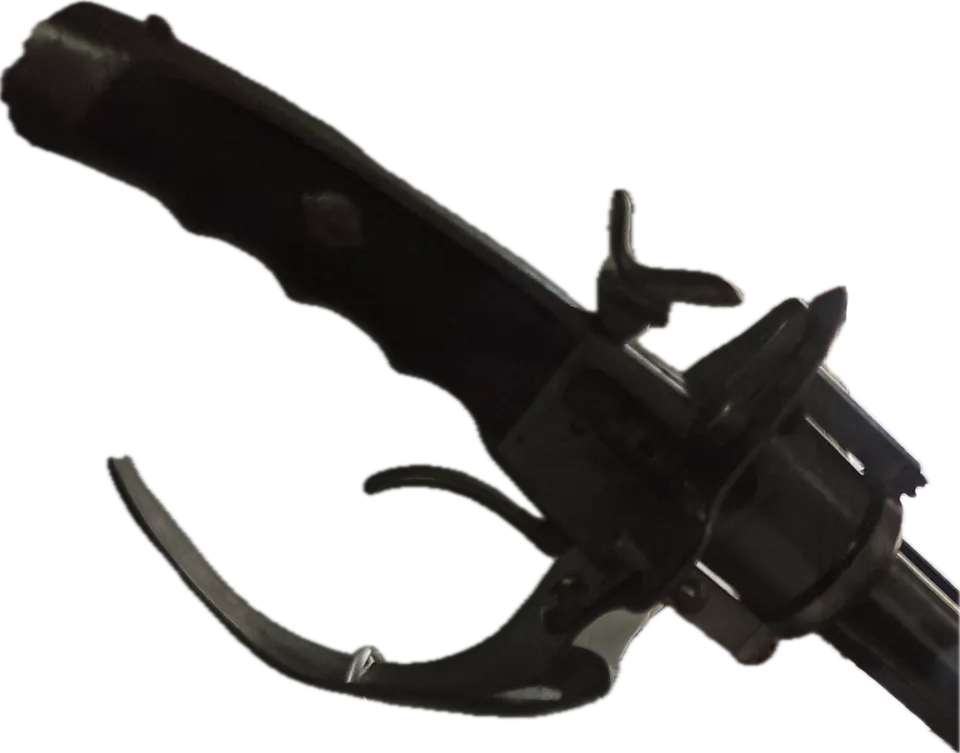
Spiritia · CC BY-SA 4.0 · Wikimedia Commons
A museum sabre with a revolver, attributed to Hadzhi Dimitar. A modern photograph in Varna, not evidence of the battle site.
Full attribution
Spiritia / Wikimedia Commons; CC BY-SA 4.0. Museum exhibit in Varna. Cut-out detail; background removed.
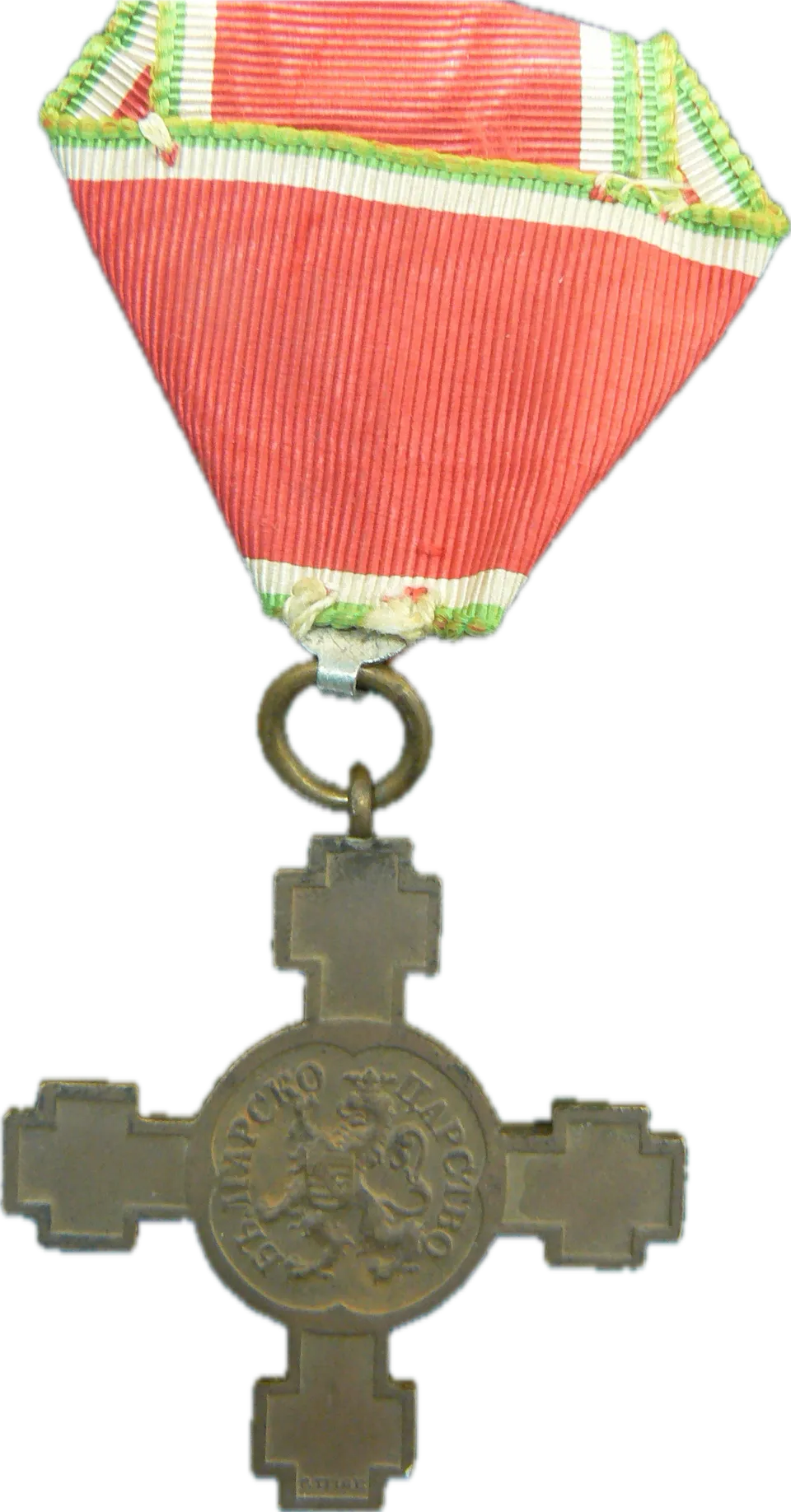
Vassia Atanassova - Spiritia · Public domain · Wikimedia Commons
Commemorative independence cross, opposite side. Commons describes it as a decoration of 1909. The story’s sources do not establish this specimen’s manufacture date. Photographed in 2010 at the Vratsa Regional History Museum.
Full attribution
Photo: Vassia Atanassova – Spiritia, Wikimedia Commons. Public domain. Cut-out detail; background removed.
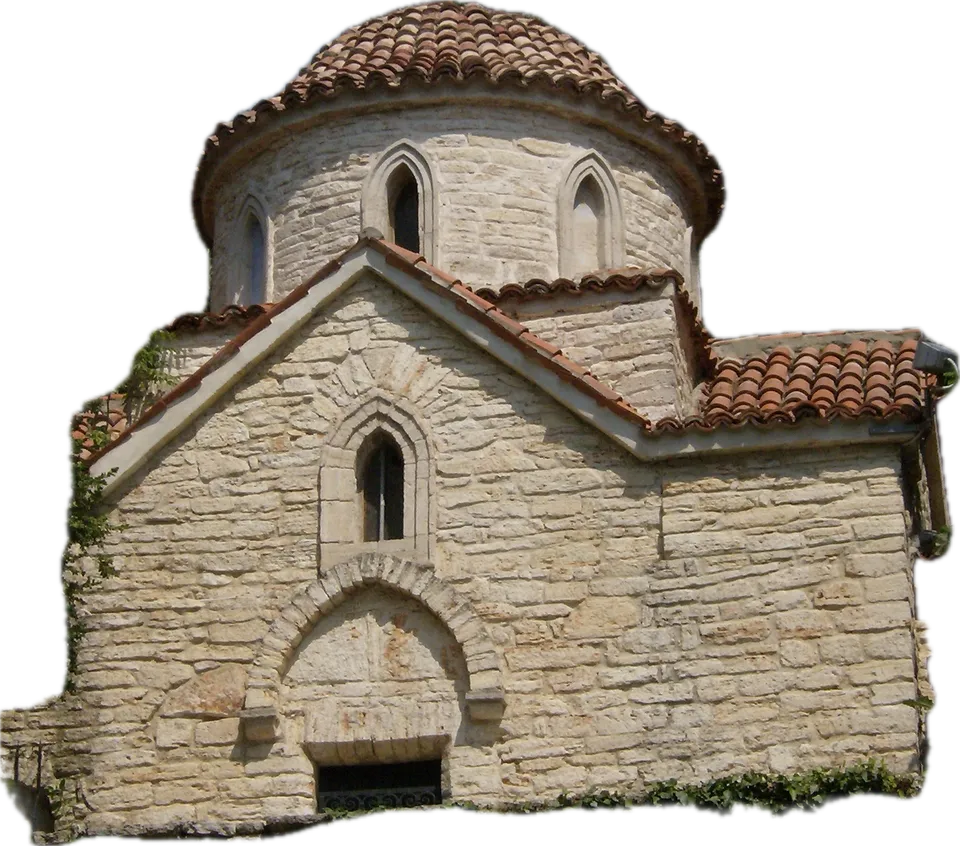
Izvora · Public domain · Wikimedia Commons
Stella Maris is a chapel: a small church in the residence. The photograph dates from 2009. According to the Romanian catalogue, Marie’s heart was kept here in 1938–1940.
Full attribution
Photo: Izvora, Wikimedia Commons, Public domain. Unmodified. Cut-out detail; background removed.
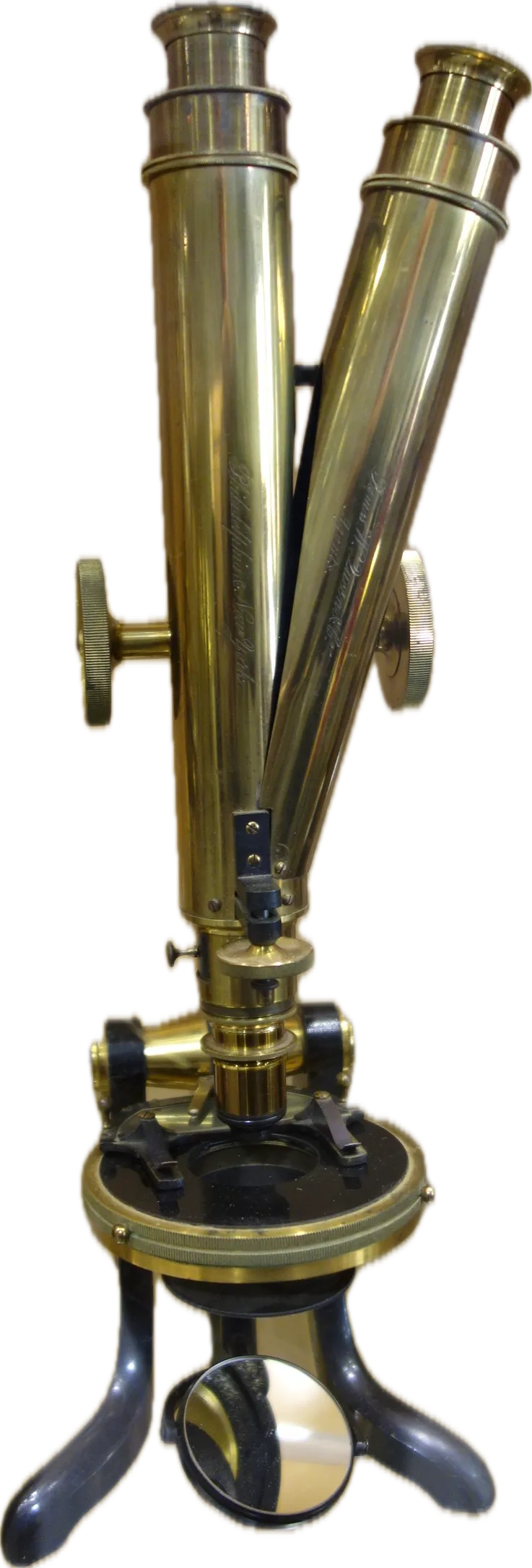
Daderot · CC0 · Wikimedia Commons
A Henry Crouch microscope, England, about 1870, from the Golub Collection. A museum microscope for comparison with instruments of the time. It has not been established as Grigorov’s.
Full attribution
Image: Daderot; Wikimedia Commons; CC0. Source: https://commons.wikimedia.org/wiki/File:1870_circa,_binocular_compound_microscope,_Henry_Crouch,_England_-_Golub_Collection_of_Antique_Microscopes_-_DSC04870.JPG Cut-out detail; background removed.
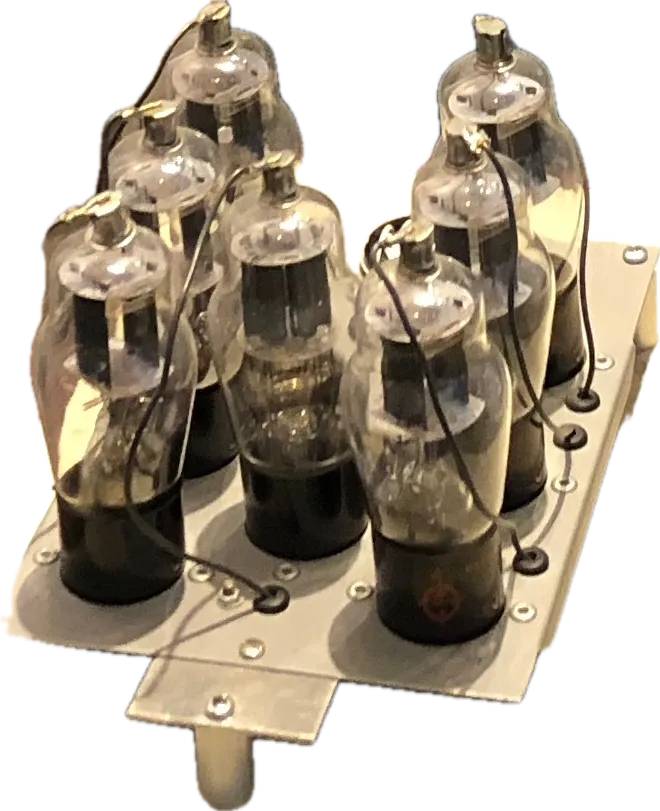
ArnoldReinhold · CC BY-SA 4.0 · Wikimedia Commons
Full attribution
Photo: ArnoldReinhold / Wikimedia Commons, CC BY-SA 4.0. Reconstructed add-subtract module from the Atanasoff–Berry Computer. Cut-out detail; background removed.
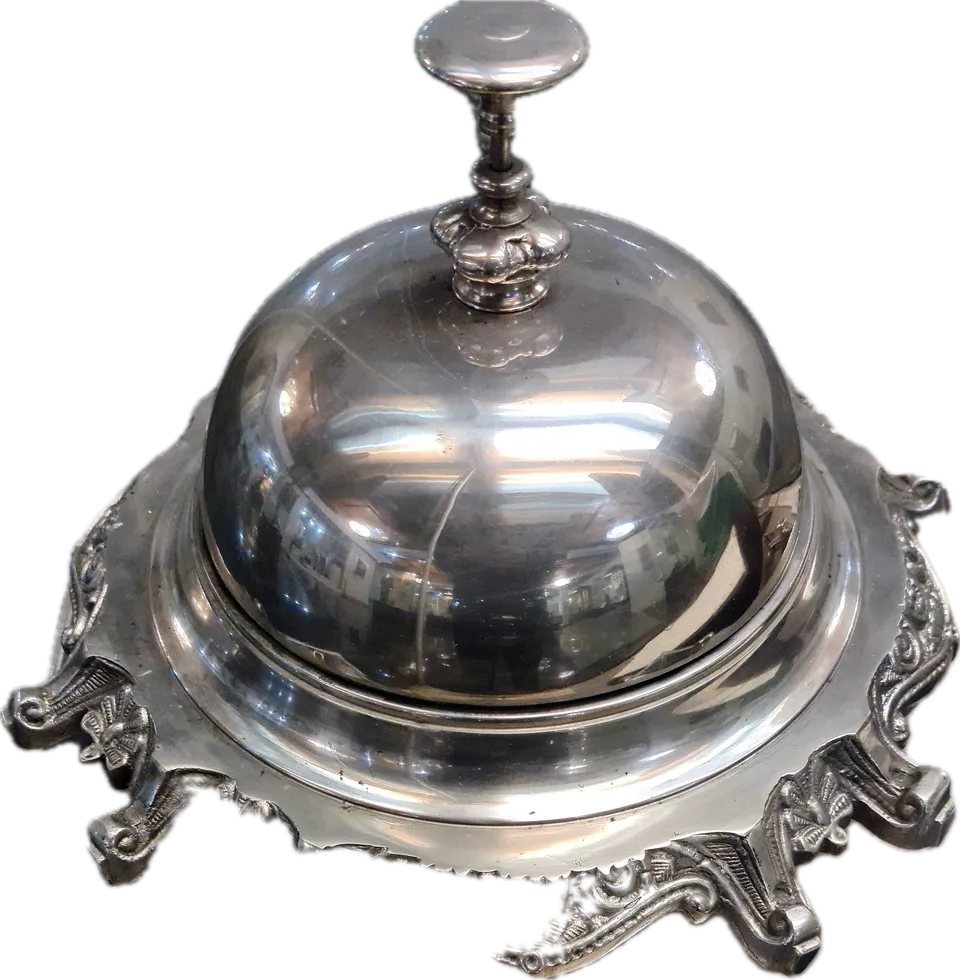
Biser Todorov · CC BY 4.0 · Wikimedia Commons
Full attribution
Photo: Biser Todorov; Wikimedia Commons; CC BY 4.0. A museum photograph of a parliamentary bell. The photograph’s catalogue associates it with the declaration of the people’s republic in 1946. Its use at the adoption of the constitution in 1991 has not been established. Cut-out detail; background removed.
Revival and Liberation
All stories · 13Photonik · CC BY-SA 4.0 · Wikimedia Commons
Full attribution
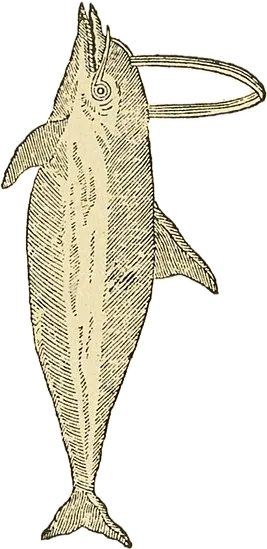
Illustrations from the Fish Primer, first published in 1824. The photographed copy is undated. Photo: Photonik / Wikimedia Commons, CC BY-SA 4.0. Cut-out detail; background removed.
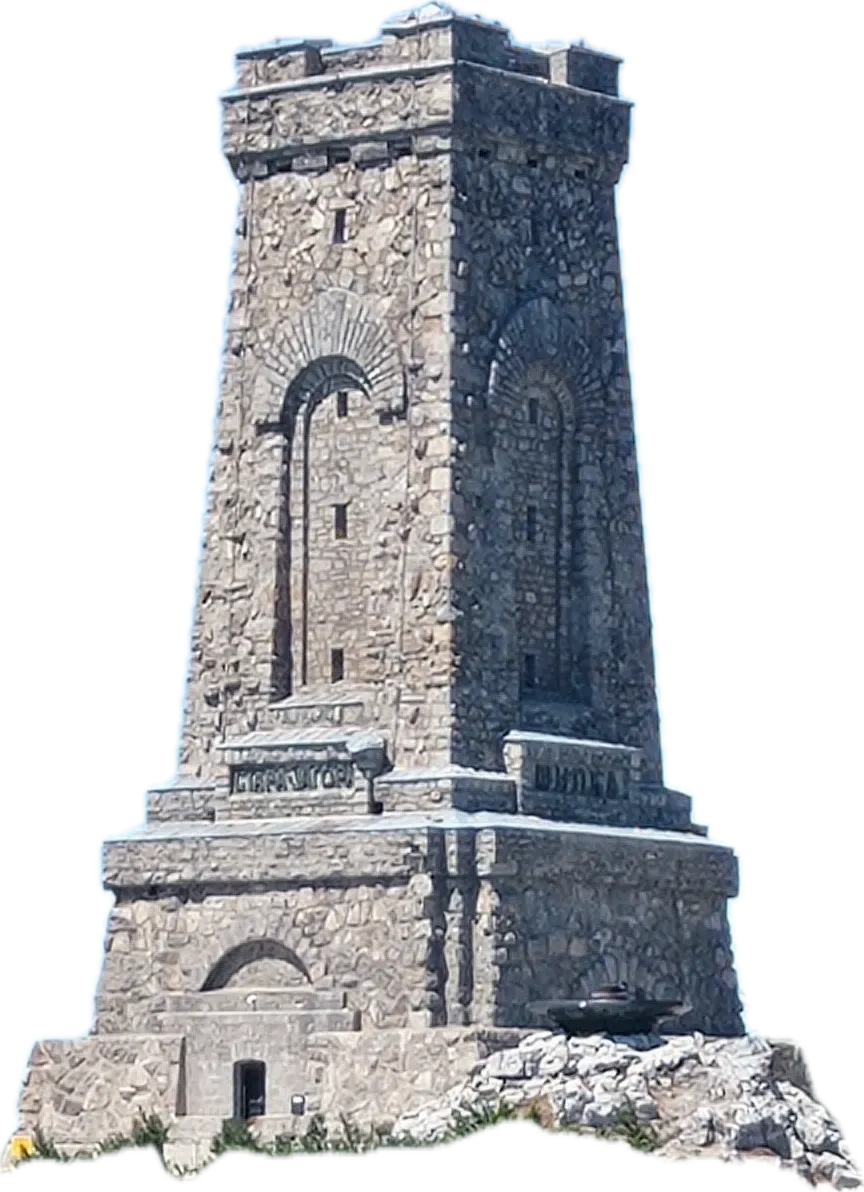
Ivano Giambattista · CC0 · Wikimedia Commons
Stone tower — memorial opened in 1934
Full attribution
Ivano Giambattista / Wikimedia Commons. CC0. Stone tower — memorial opened in 1934. Cut-out detail; background removed.
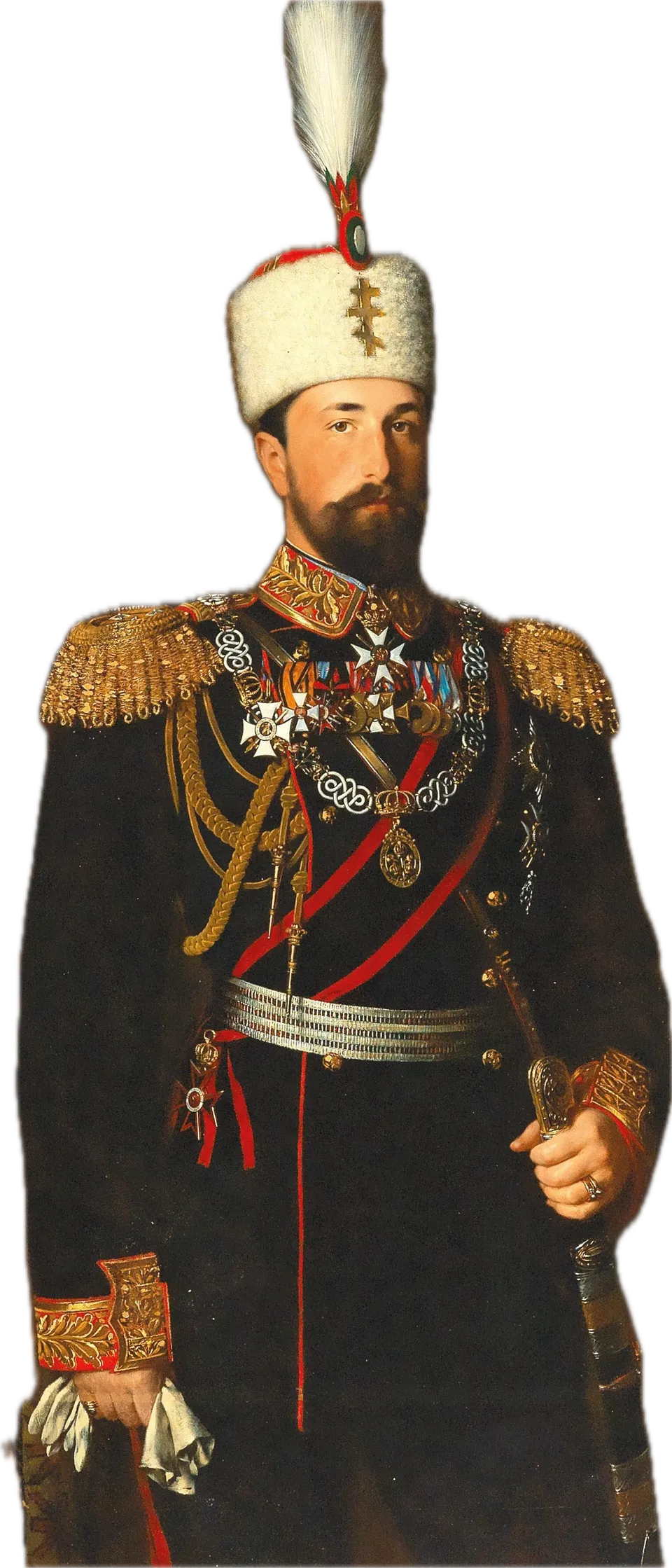
Drawing
Konrad Dielitz · Public domain · Wikimedia Commons
Full attribution
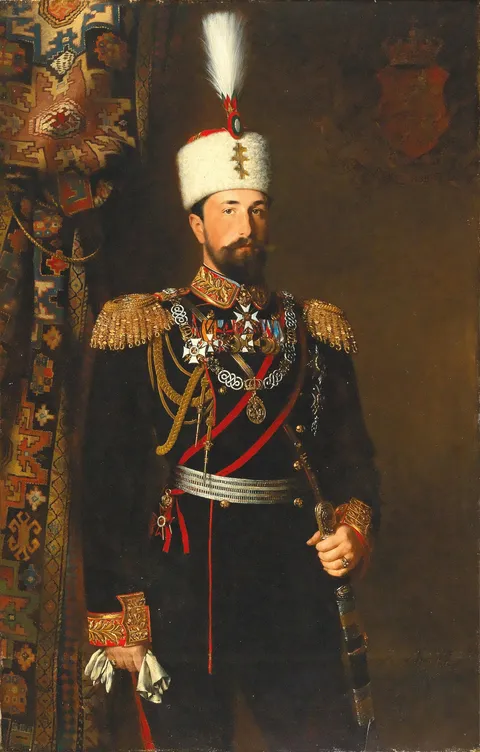
Portrait of Alexander I, Konrad Dielitz, 1881. Painted portrait, oil on canvas. Konrad Dielitz / Wikimedia Commons. Public domain. Cut-out detail; background removed. Painted portrait — oil on canvas
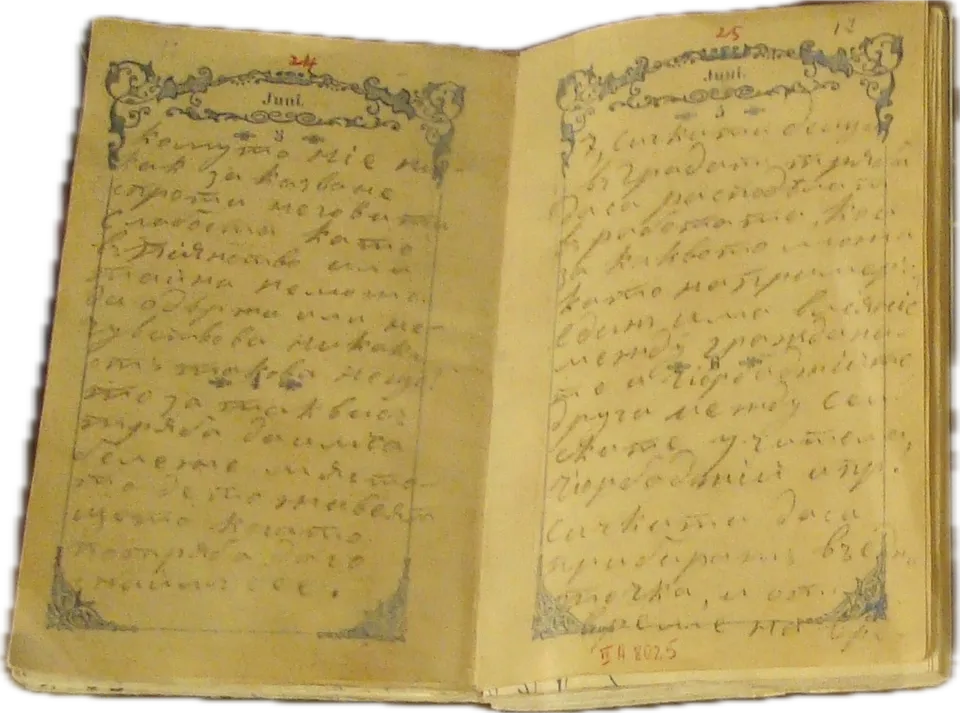
Eola · CC BY-SA 4.0 · Wikimedia Commons
Full attribution
Image: Eola / Wikimedia Commons, CC BY-SA 4.0. Museum display: copy of the notebook and a dagger presented as belonging to Levski. Cut-out detail; background removed.
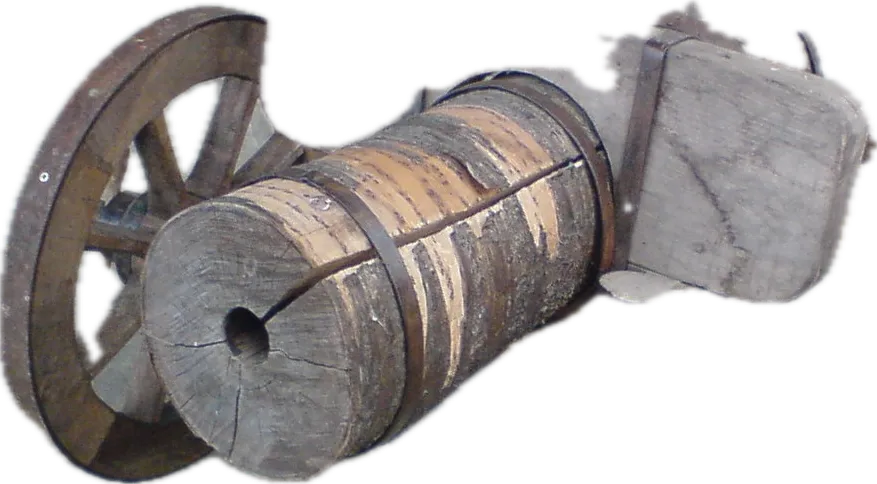
Dakovski · CC BY-SA 3.0 · Wikimedia Commons
Full attribution
Dakovski / Wikimedia Commons, CC BY-SA 3.0. Reconstruction of a cherry-wood cannon in Troyan; not a surviving battle gun. Cut-out detail; background removed.
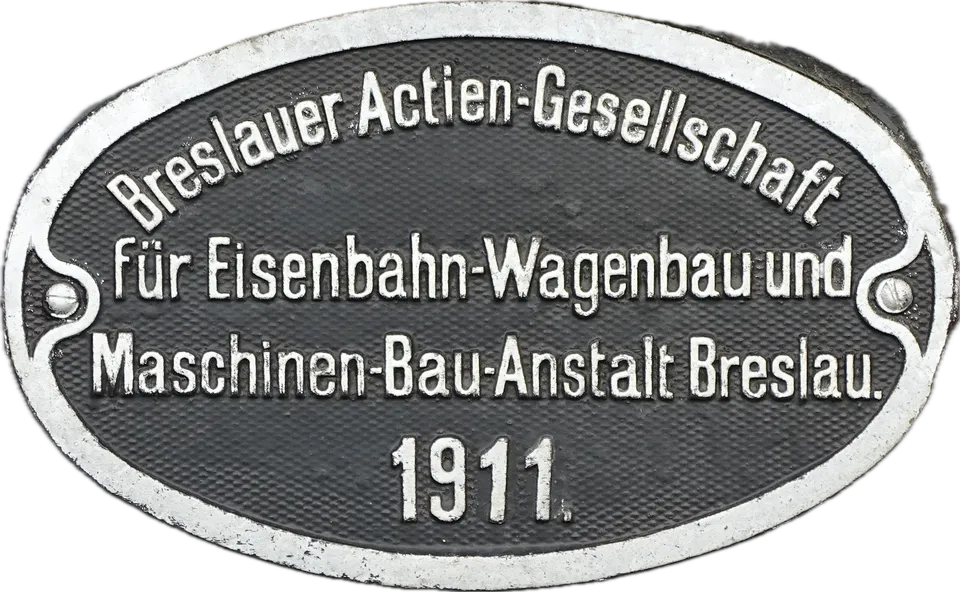
Adam Jones from Kelowna, BC, Canada · CC BY-SA 2.0 · Wikimedia Commons
Plate on a museum carriage: maker’s name, Breslau and 1911.
Full attribution
Photo: Adam Jones from Kelowna, BC, Canada, Wikimedia Commons, CC BY-SA 2.0. Plate on a museum carriage: maker’s name, Breslau and 1911. Cut-out detail; background removed.
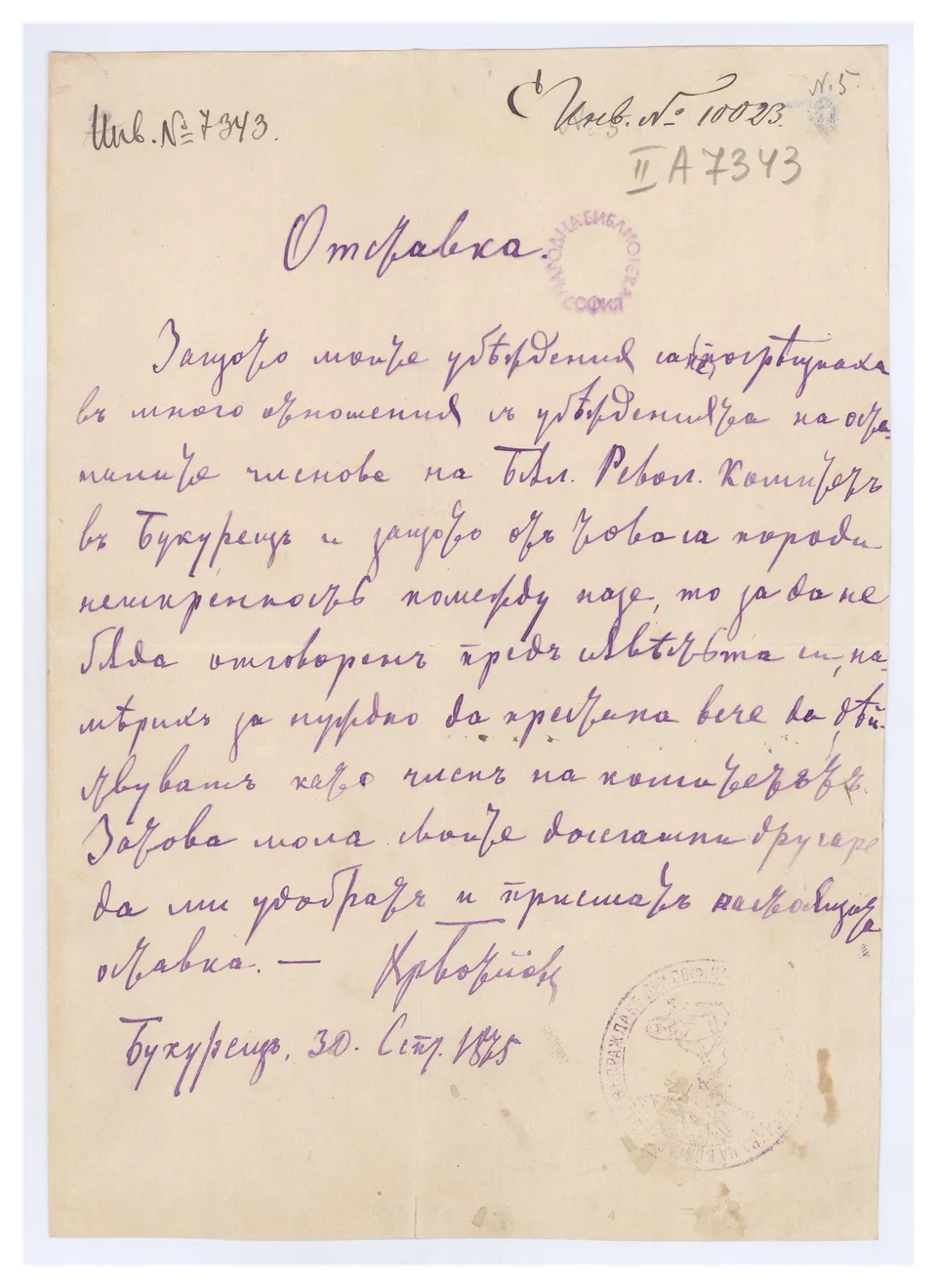
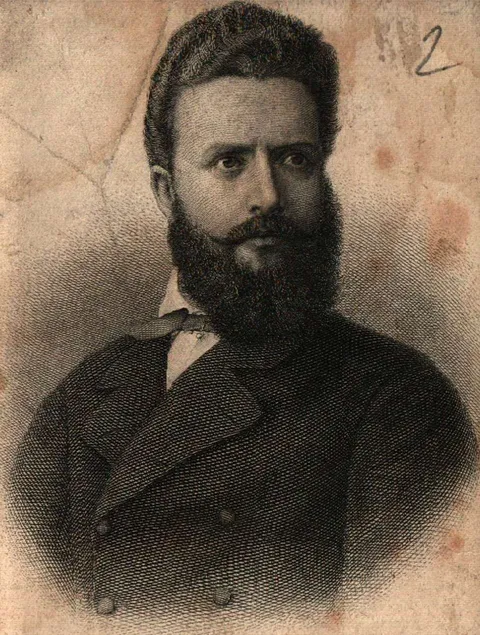
Hristo Botev · Public domain · National Library of Bulgaria / Wikimedia Commons
Full attribution
Hristo Botev (1848-1876); National Library of Bulgaria / Wikimedia Commons; Public domain. Archival image; marks on the original support are retained. Processed image.
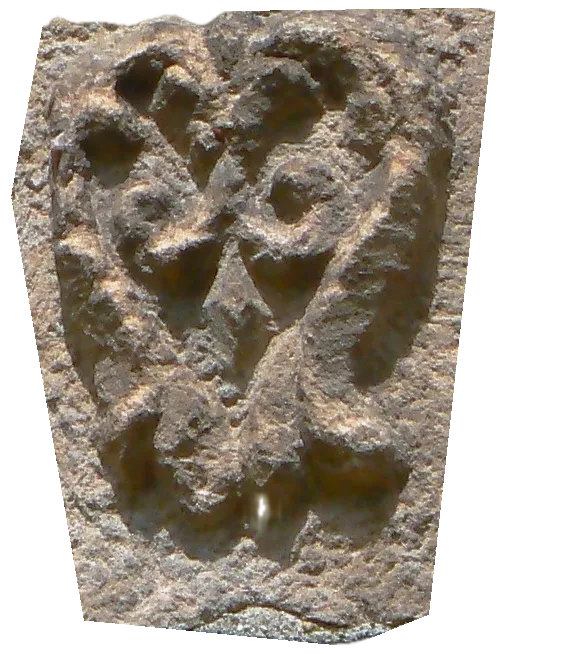
Vassia Atanassova - Spiritia · CC BY-SA 3.0 · Wikimedia Commons
Full attribution
Image: Vassia Atanassova - Spiritia, Wikimedia Commons, CC BY-SA 3.0. Carved keystone: the stone in the middle that closes the arch. Modern photograph; the stone’s date and the meaning of its decoration are not established. Cut-out detail; background removed.
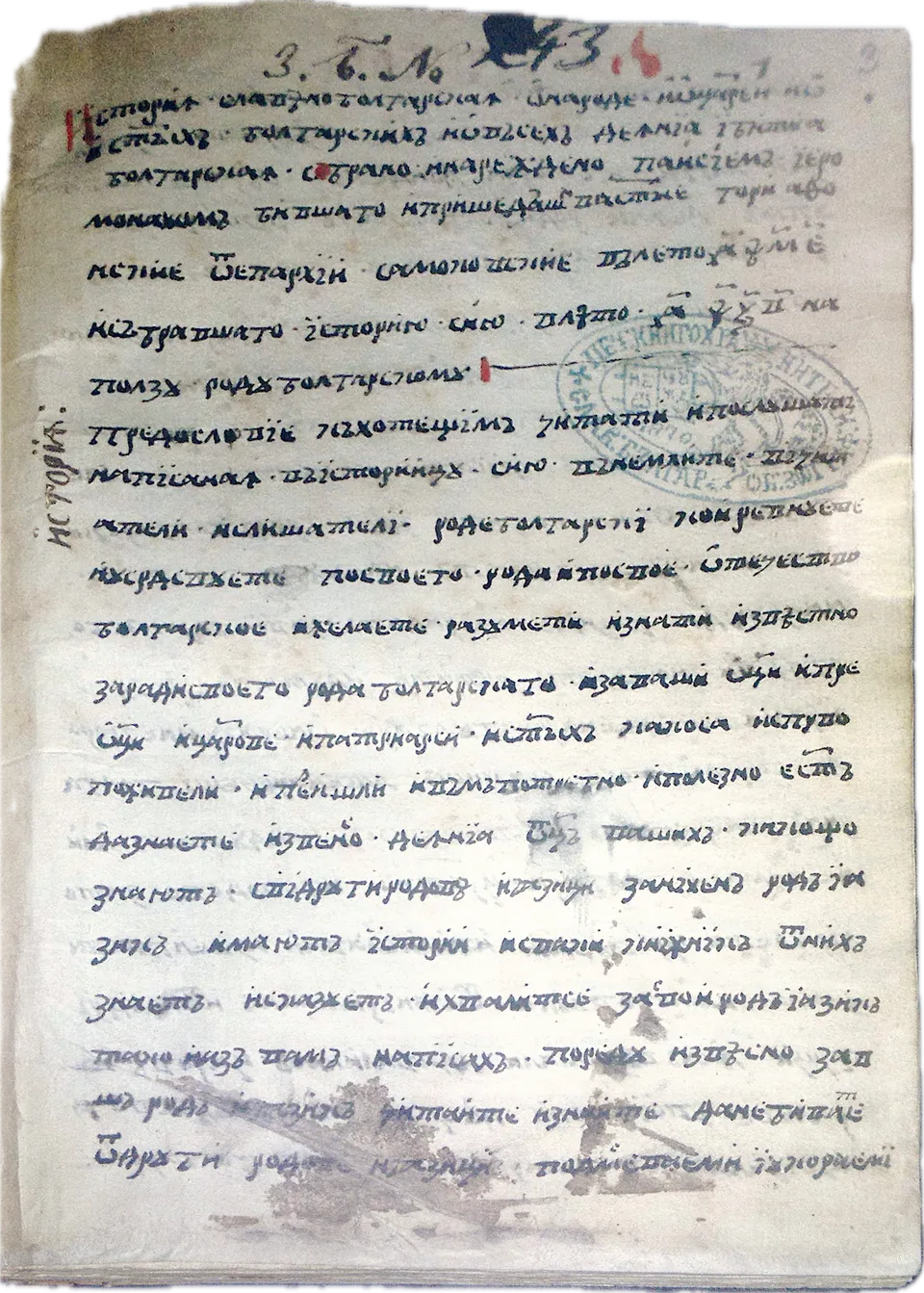
I. Stankov · CC BY-SA 3.0 · Wikimedia Commons
Full attribution
I. Stankov / Wikimedia Commons. CC BY-SA 3.0. The Zograf draft: opening page. Processed image.
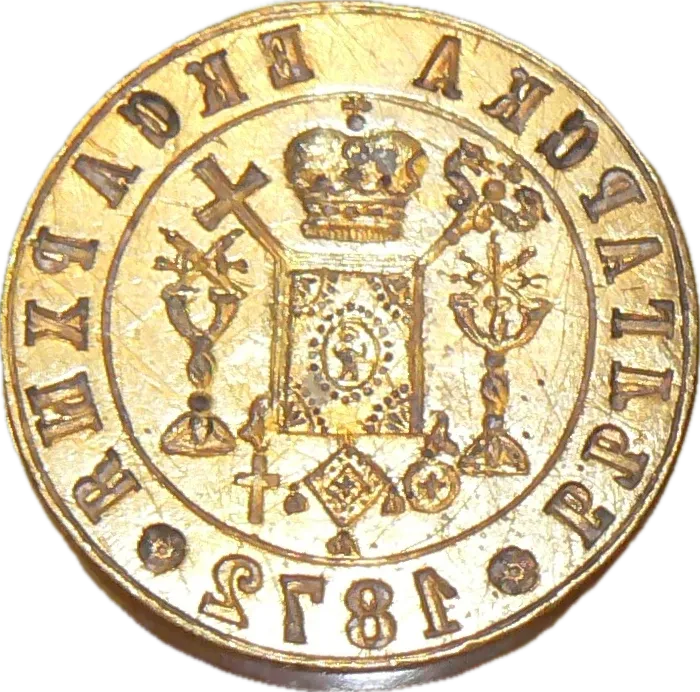
Vassia Atanassova - Spiritia · CC BY-SA 3.0 · Wikimedia Commons
Full attribution
Vassia Atanassova - Spiritia. Wikimedia Commons, CC BY-SA 3.0. Unmodified. Cut-out detail; background removed.

Joe Mabel · CC BY-SA 3.0 · Wikimedia Commons
Museum detail of a sword and scabbard. The inscription names Edhem Pasha and the two capture dates. It is not established as Osman Pasha’s sword.
Full attribution
Joe Mabel / Wikimedia Commons, CC BY-SA 3.0. Museum detail of a sword and scabbard. The inscription names Edhem Pasha and the two capture dates. It is not established as Osman Pasha’s sword. Processed image.
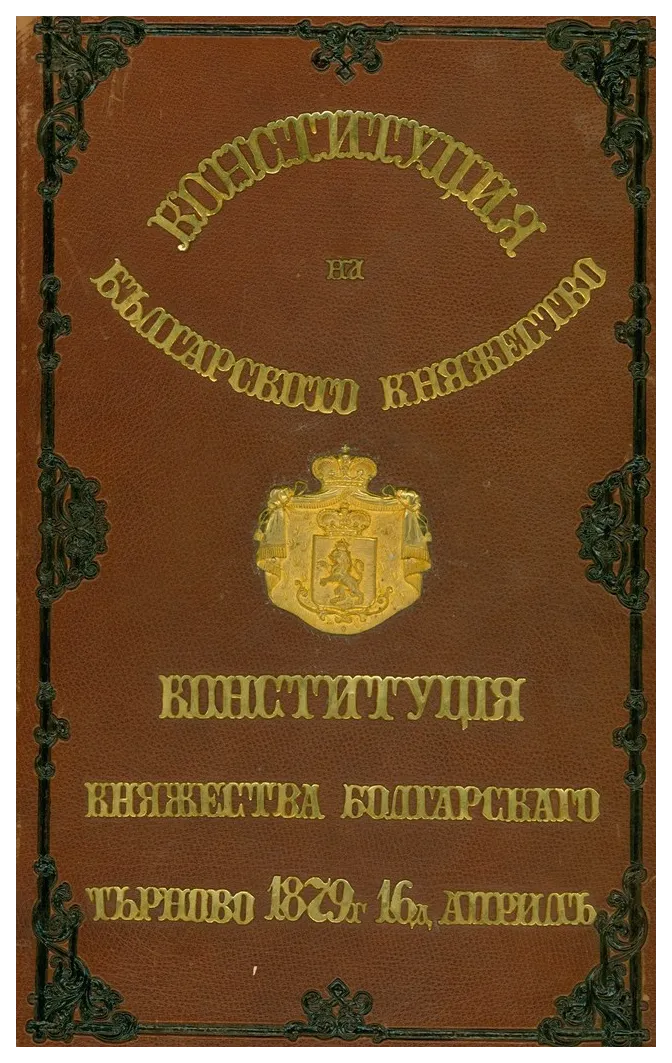
Bulgarian Constituent Assembly · Public domain · Bulgarian Archives State Agency / Wikimedia Commons
Archival image of the Tarnovo Constitution’s binding. The date below is 16 April 1879, old style.
Full attribution
Bulgarian Constituent Assembly; Bulgarian Archives State Agency / Wikimedia Commons; Public domain. BASA-173K-6-3116-Tarnovo Constitution Processed image.
Archive
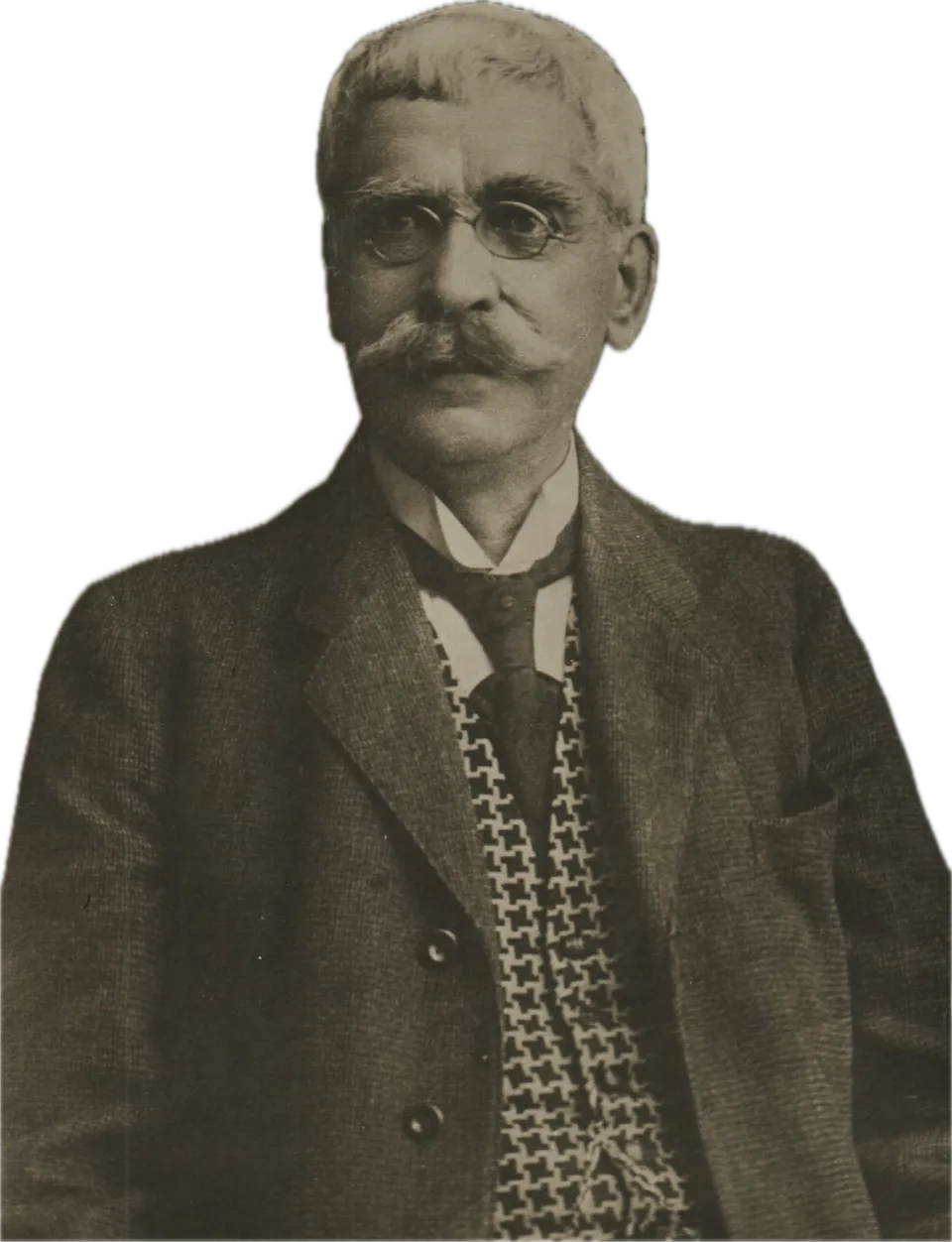
Unknown author · Public domain · Bulgarian Archives State Agency / Wikimedia Commons
Full attribution
Unknown author; Bulgarian Archives State Agency / Wikimedia Commons. BASA 937K-1-410-7. Public domain. Crop supplied by Commons; unchanged here. Cut-out detail; background removed. Archival photograph
Ottoman period
All stories · 3Explorer1940 · CC BY-SA 4.0 · Wikimedia Commons
Full attribution
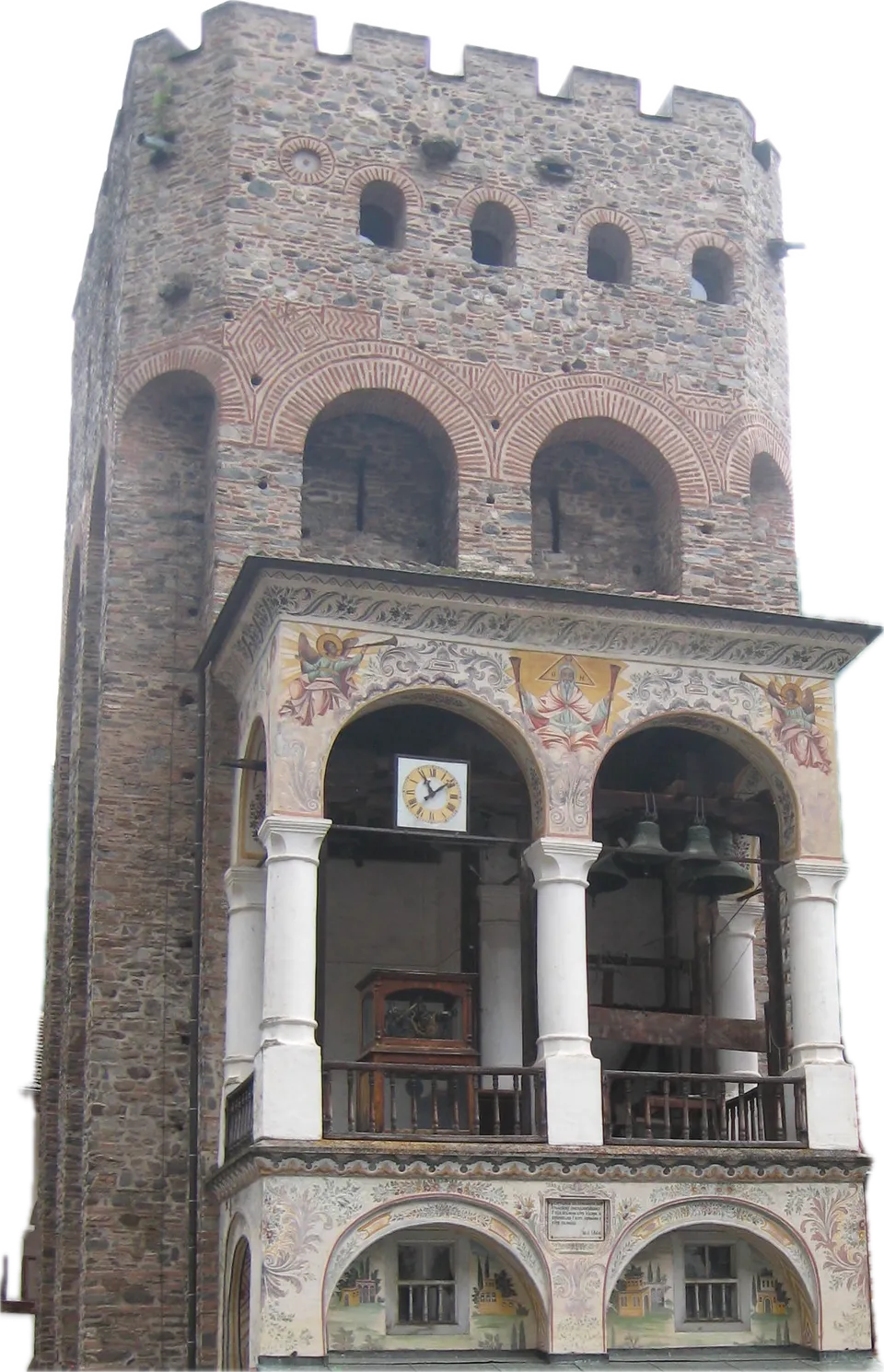
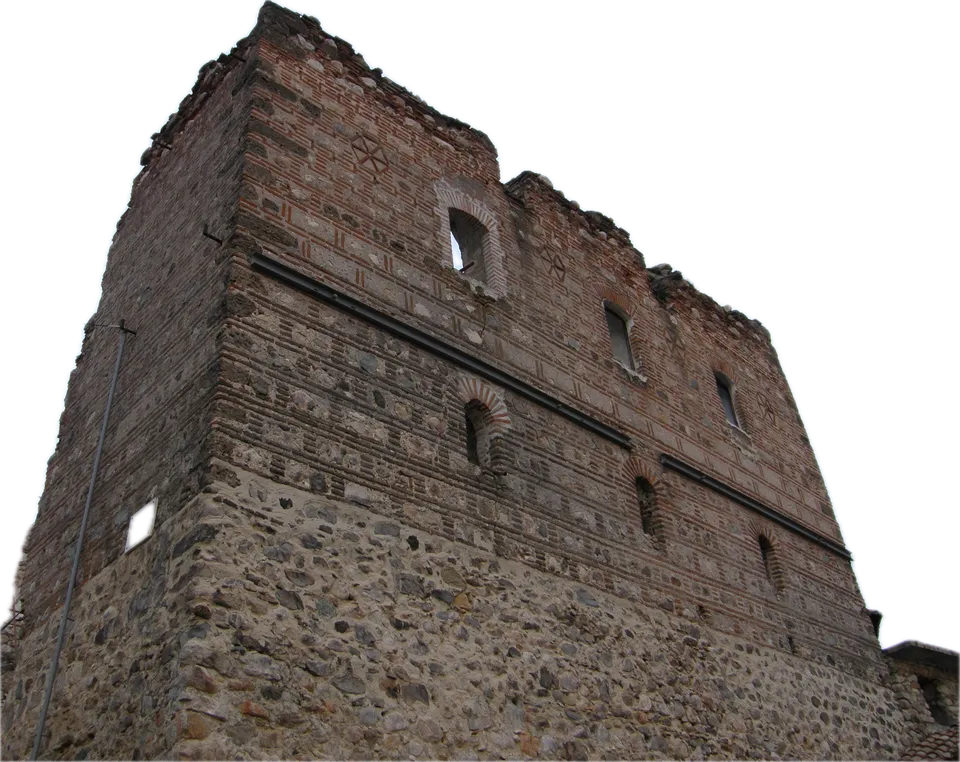
Photo: Explorer1940, Wikimedia Commons, CC BY-SA 4.0. Hrelyo’s Tower today. Cut-out detail; background removed.
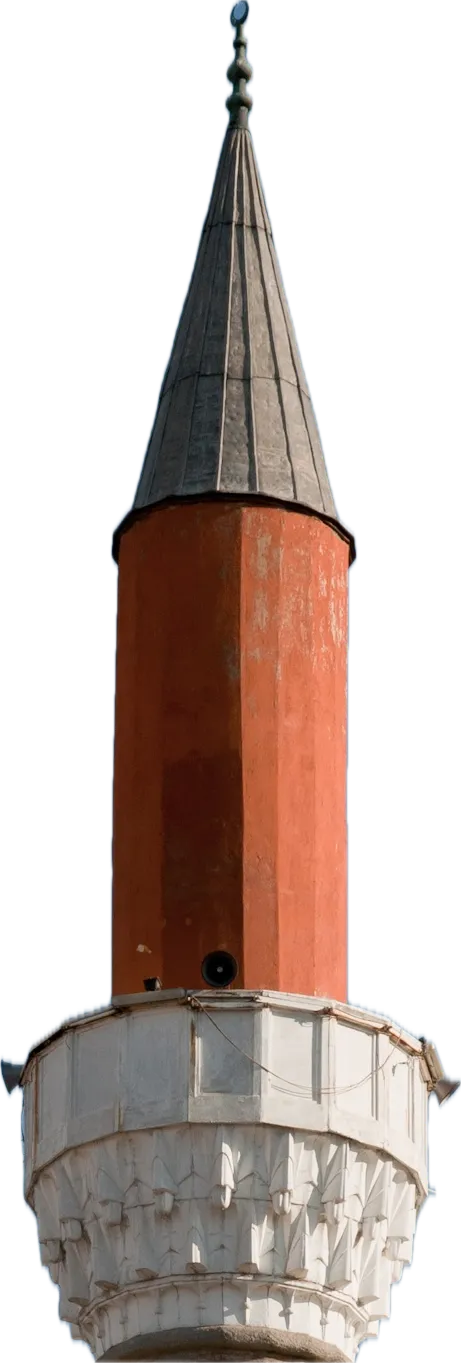
© Plamen Agov • studiolemontree.com · CC BY-SA 3.0 · Wikimedia Commons
Upper part of the minaret: tower, pale balcony and pointed roof. The lower part extends beyond the frame.
Full attribution
Photo: © Plamen Agov • studiolemontree.com; Wikimedia Commons; CC BY-SA 3.0. Cut-out detail; background removed.
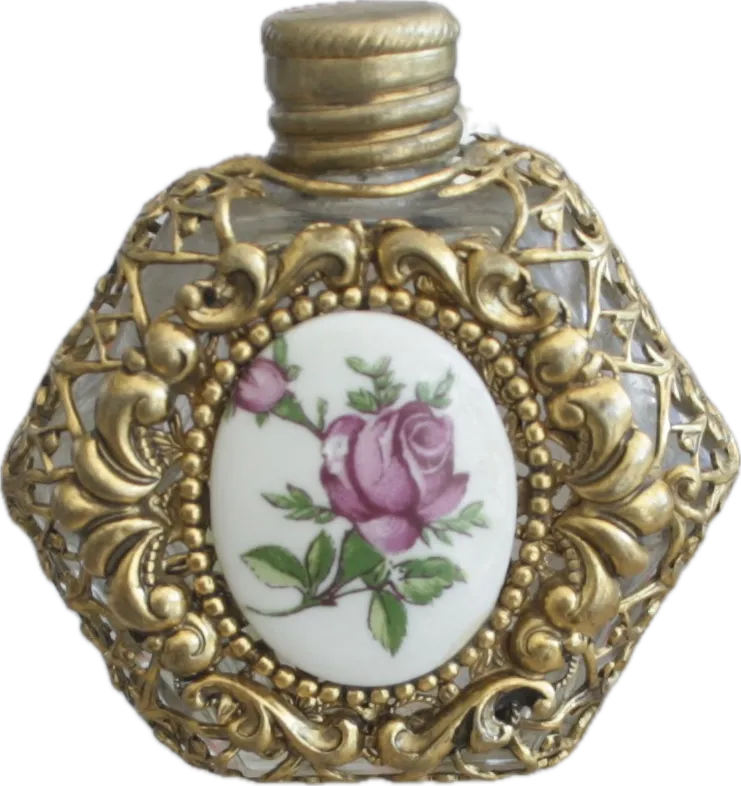
Lyudmil Buyukliev · CC BY-SA 4.0 · Wikimedia Commons
Full attribution
Image: Lyudmil Buyukliev, Wikimedia Commons, CC BY-SA 4.0. Ornate bottle and vessels, museum display. Cut-out detail; background removed.

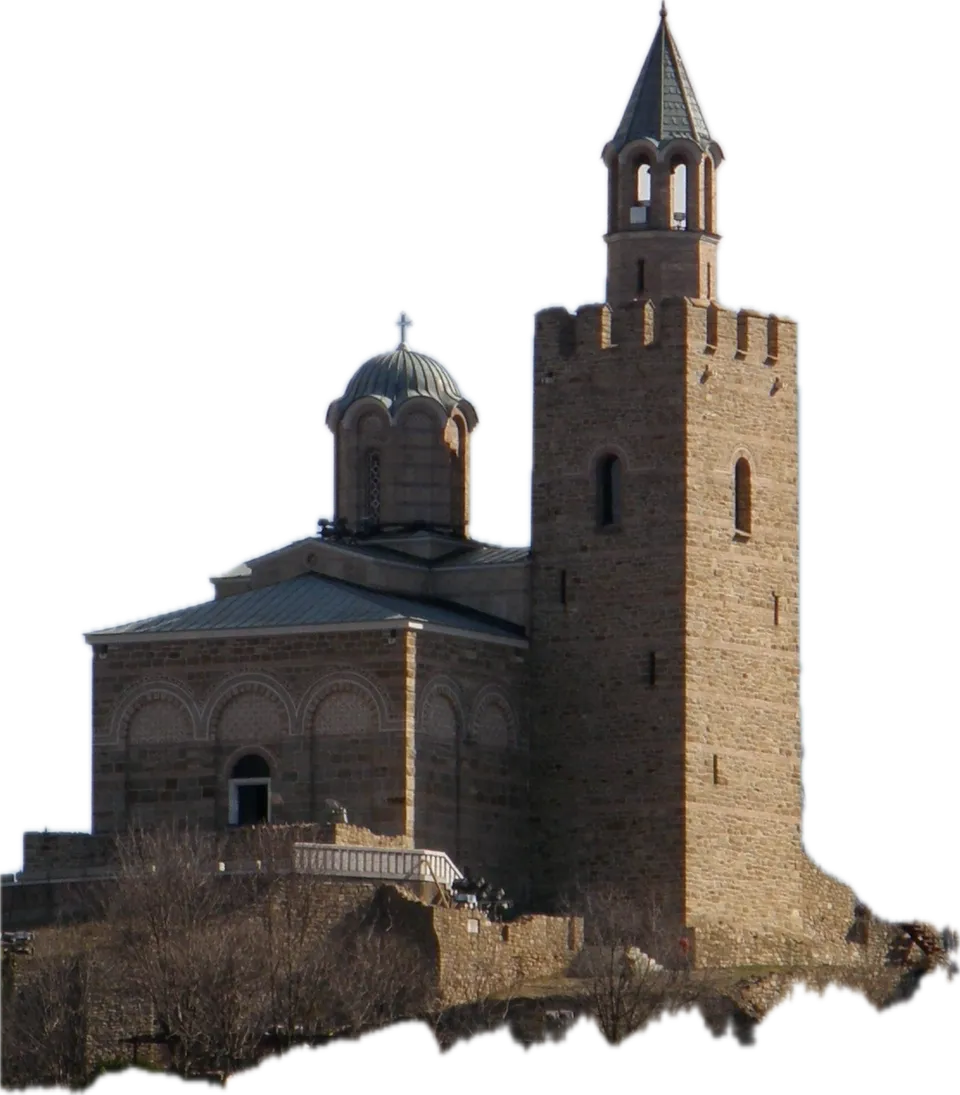
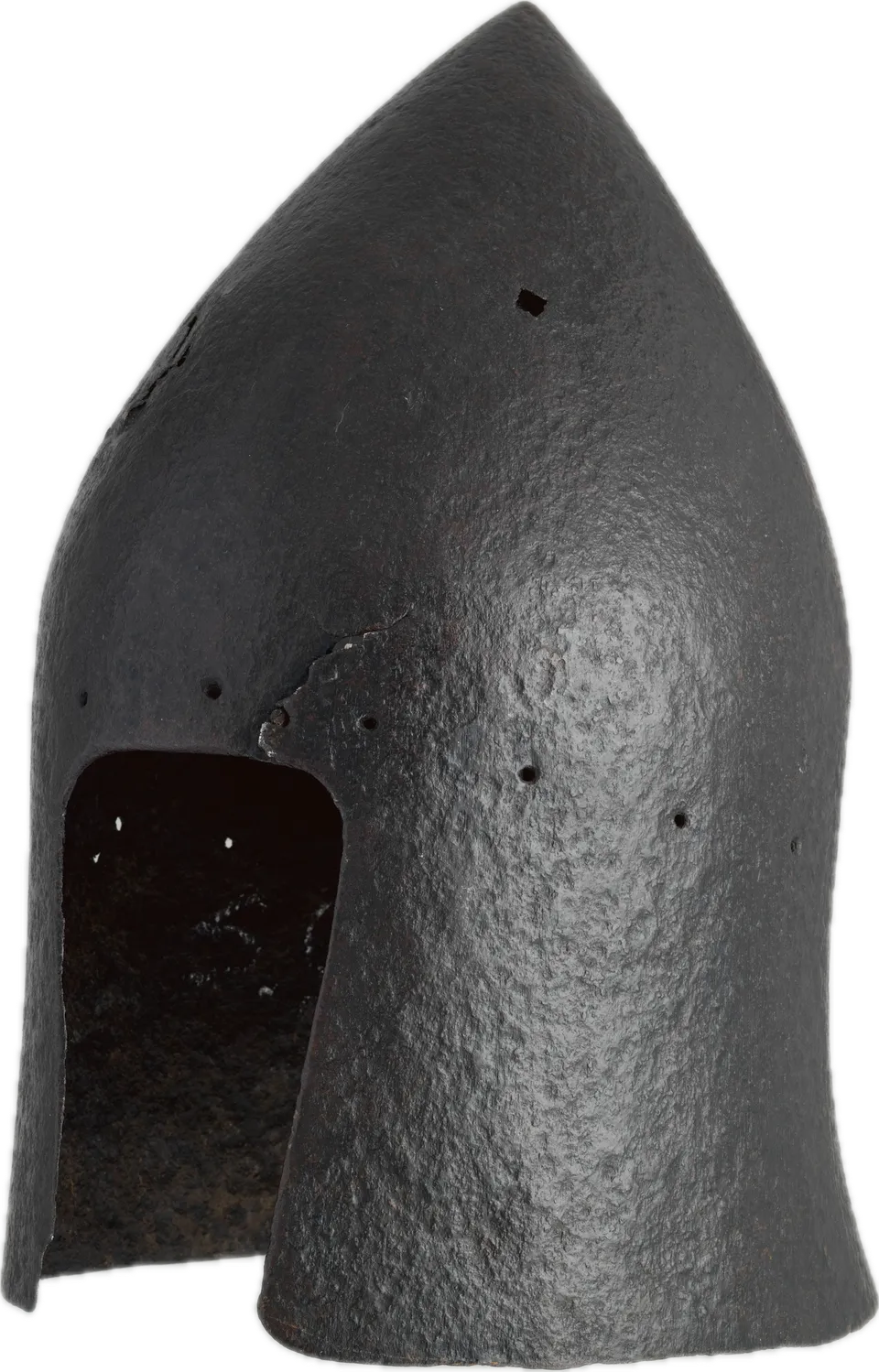
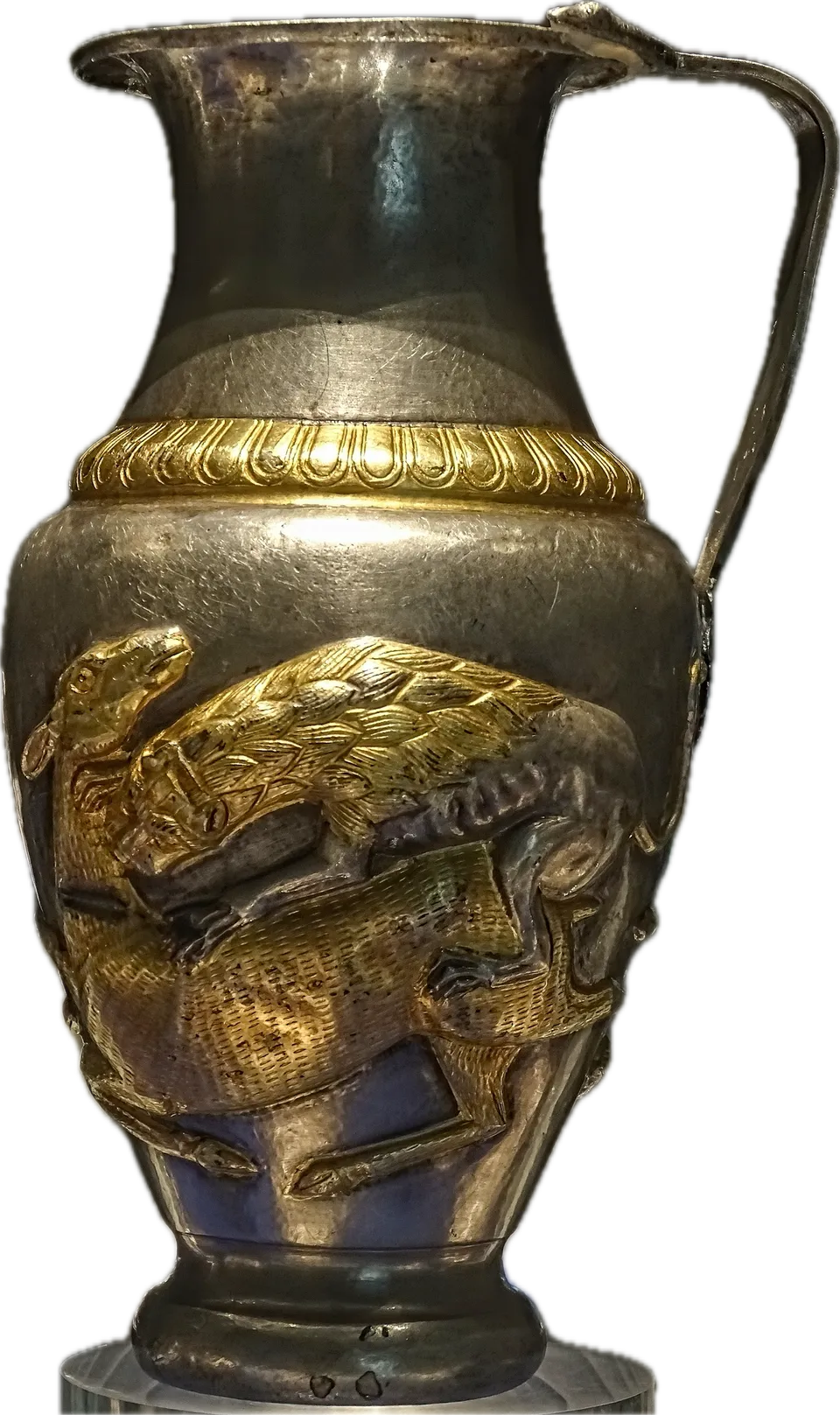
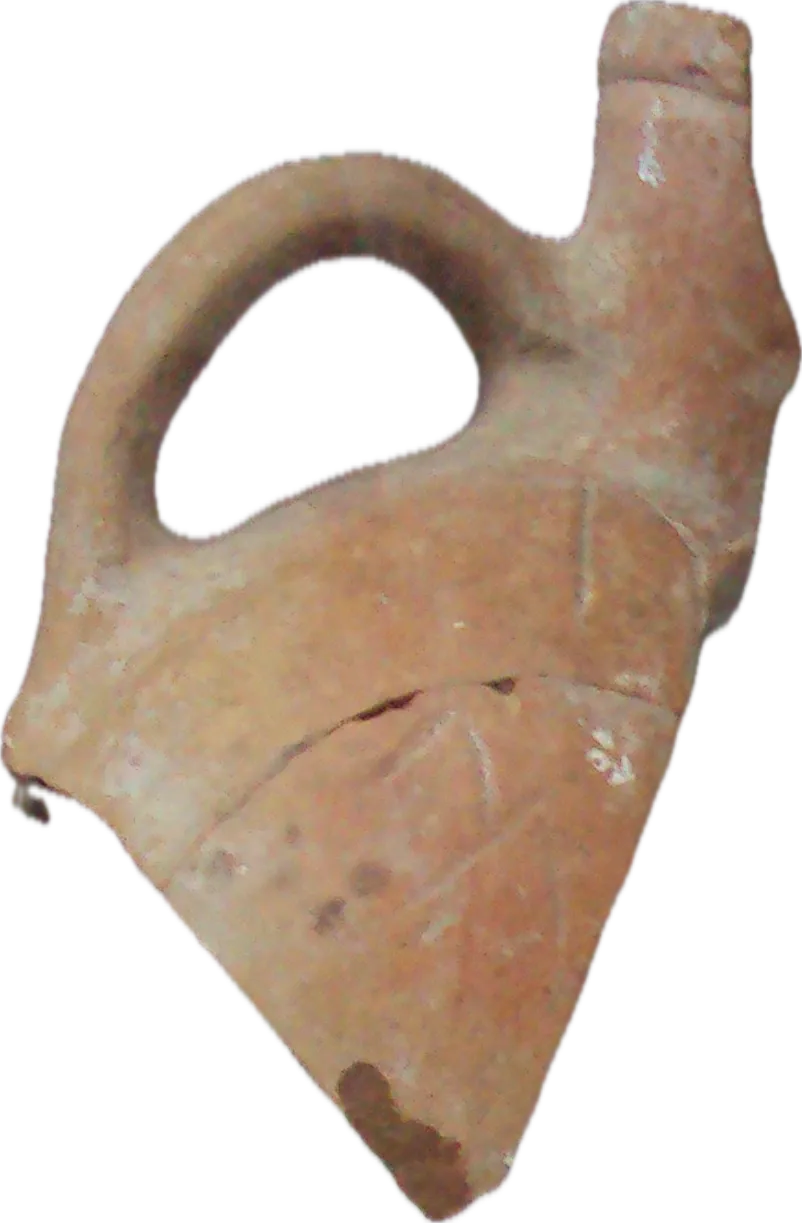
Second Bulgarian Tsardom
All stories · 11Photo
Aleksander Dragnes · CC BY 2.0 · Wikimedia Commons
Full attribution
Source: Aleksander Dragnes / Wikimedia Commons, CC BY 2.0 Processed image. Site today
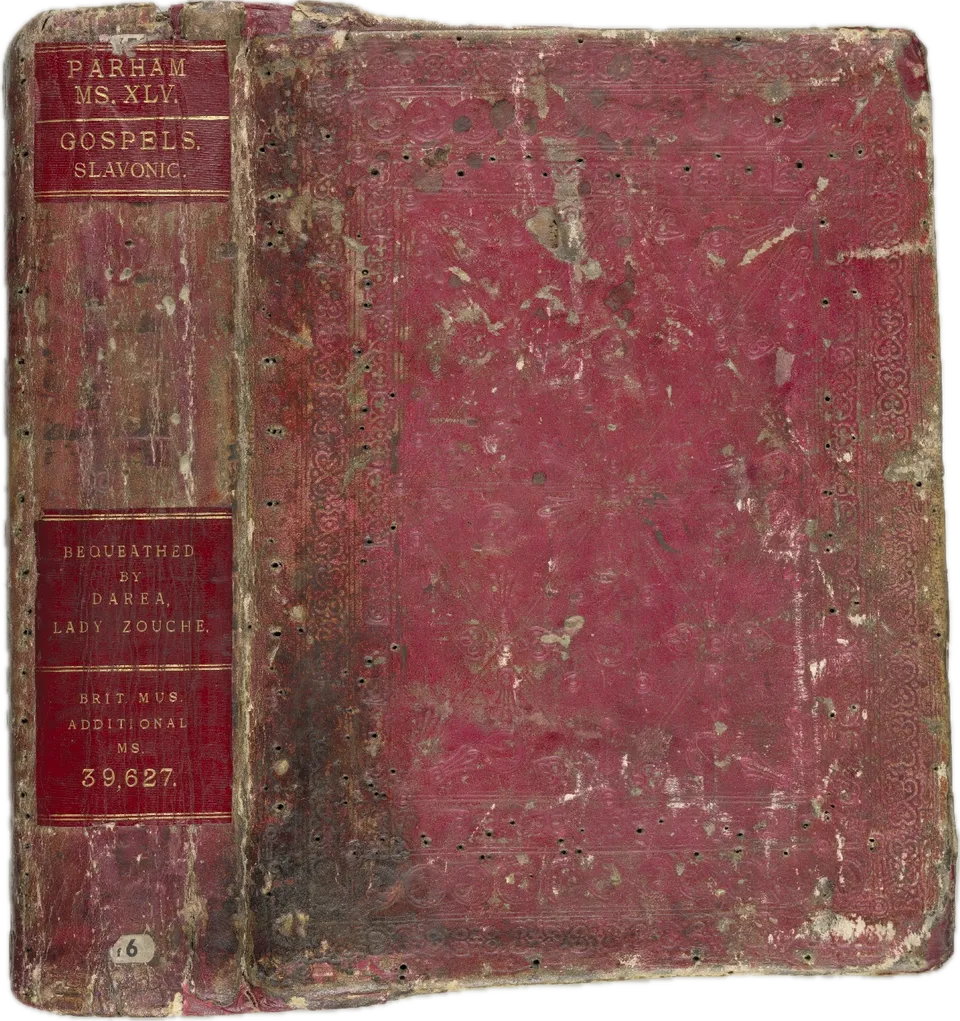
Unspecified · CC0 · British Library via Wikimedia Commons
Full attribution
The surviving upper binding cover. British Library, Add MS 39627; via Wikimedia Commons, CC0. Cut-out detail; background removed.
The Metropolitan Museum of Art · CC0 1.0 · The Metropolitan Museum of Art
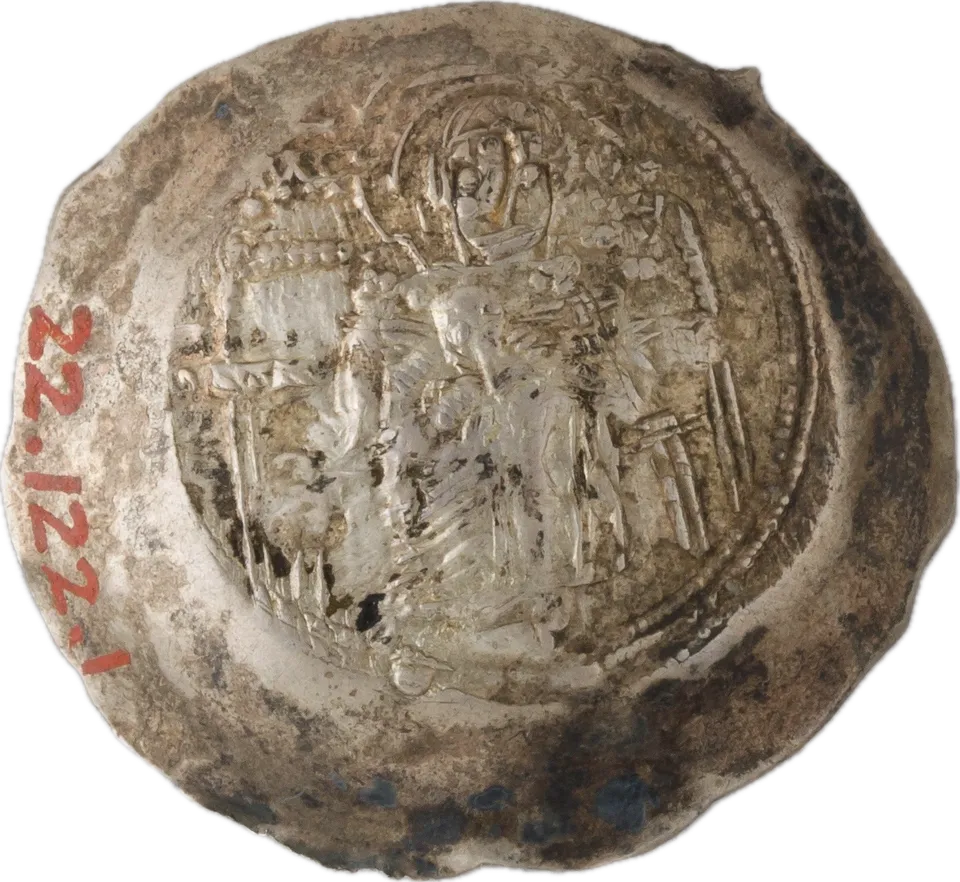
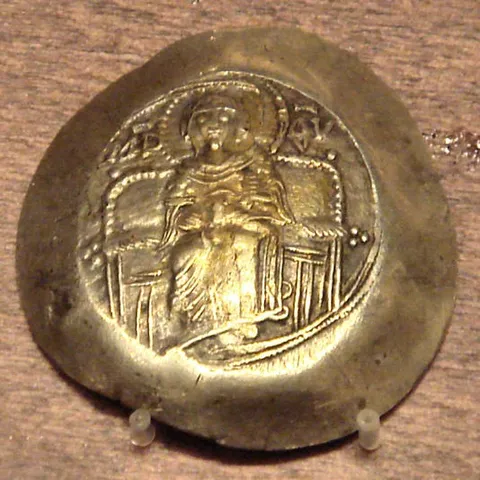
Isaac II coin, 12th century, in electrum, an alloy of gold and silver. No link to the wedding tax is established.
Full attribution
The Metropolitan Museum of Art · 22.122.1 · Gift of Bashford Dean, 1922 · CC0 1.0. Cut-out detail; background removed.
Bin im Garten · CC BY-SA 3.0 · Wikimedia Commons
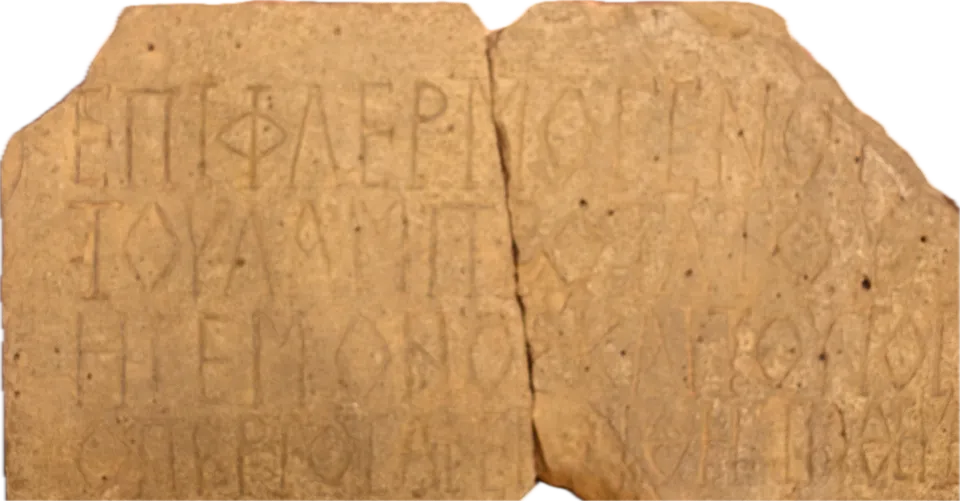
Museum display of a stone slab with a Greek inscription about restoring a tower. Hermogenes is named in the text; his office and the precise date are disputed. Photograph taken in Sofia, not at the cape.
Full attribution
Photo: Bin im Garten / Wikimedia Commons, CC BY-SA 3.0. Unmodified. Cut-out detail; background removed.
WangHao · CC BY-SA 4.0 · Wikimedia Commons
Displayed cannon barrel. The barrel’s date and provenance are unverified.
Full attribution
Photo: WangHao, Wikimedia Commons, CC BY-SA 4.0. Unmodified. Cut-out detail; background removed.
Photo
Klearchos Kapoutsis from Paleo Faliro, Greece. · CC BY 2.0 · Wikimedia Commons
Full attribution
Photo: Klearchos Kapoutsis from Paleo Faliro, Greece., Wikimedia Commons, CC BY 2.0. Cut-out detail; background removed. Site today
A. Nikolov · Public domain · Wikimedia Commons
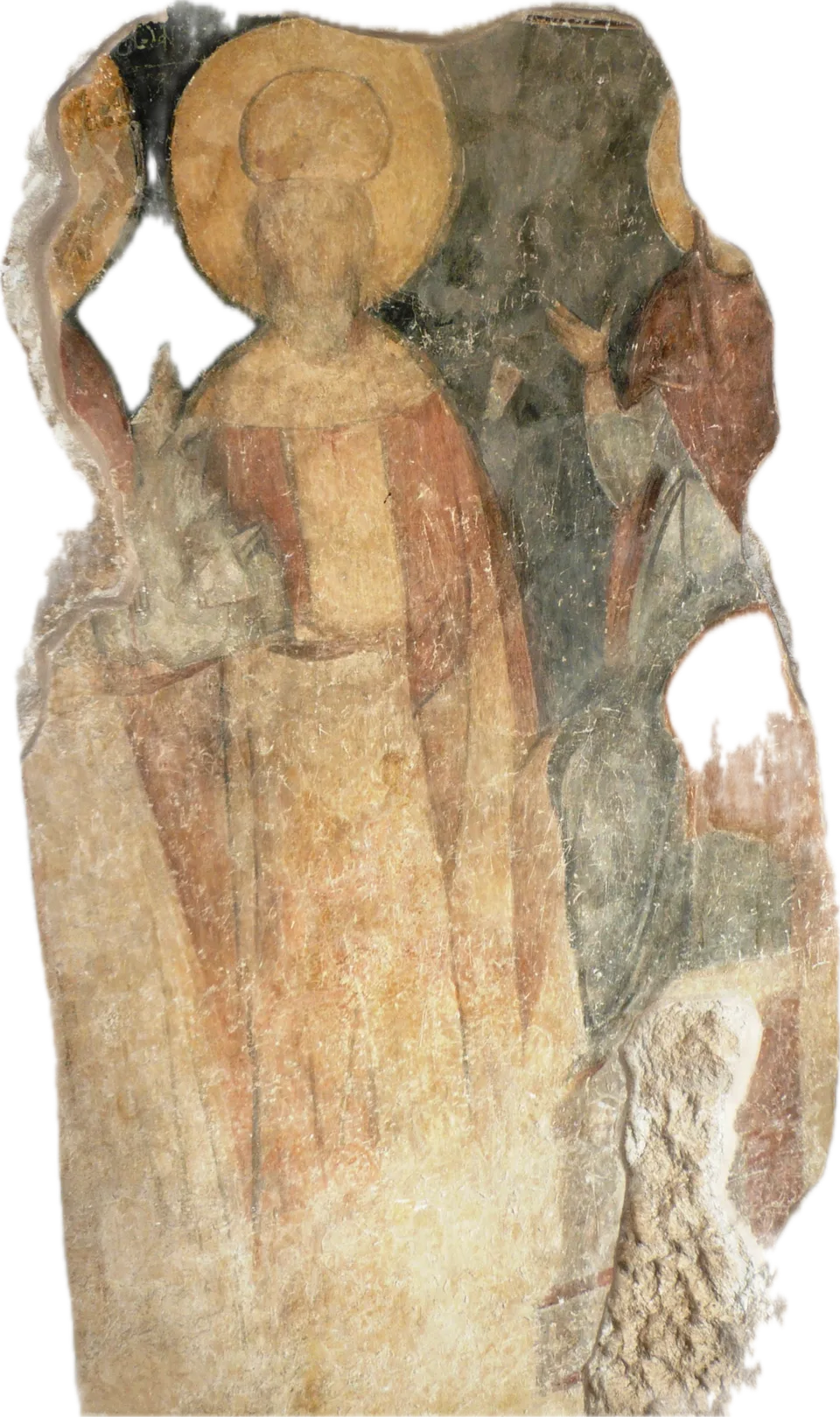
The royal donor, usually identified as Ivan Alexander. A mural fragment on rock, not a separate icon. The depicted tsar’s identity is disputed.
Full attribution
Photo: A. Nikolov; Wikimedia Commons; Public domain. The royal donor, usually identified as Ivan Alexander. A mural fragment on rock, not a separate icon. The depicted tsar’s identity is disputed. Cut-out detail; background removed.
Klearchos Kapoutsis from Santorini, Greece · CC BY 2.0 · Wikimedia Commons
The patriarchal Church of the Ascension, reconstructed in 1981. The photograph shows a reconstruction, not an intact medieval building.
Full attribution
Photo: Klearchos Kapoutsis from Santorini, Greece, Wikimedia Commons, CC BY 2.0. The patriarchal Church of the Ascension, reconstructed in 1981. The photograph shows a reconstruction, not an intact medieval building. Cut-out detail; background removed.
Unknown Italian craftsman · CC0 · Wikimedia Commons
Full attribution
Unknown Italian armourer; photograph: The Metropolitan Museum of Art. Wikimedia Commons. CC0. An original period helmet found at Chalcis on Euboea in 1840; not a Nicopolis find. Cut-out detail; background removed.
Sailko · CC BY 3.0 · Wikimedia Commons
The photograph’s title attributes it to Innocent III and says it was found in Dublin. Paul and Peter are visible.
Full attribution
Sailko / Wikimedia Commons, CC BY 3.0. The photograph’s title attributes it to Innocent III and says it was found in Dublin. Paul and Peter are visible. Unmodified. Cut-out detail; background removed.
Svik · CC BY-SA 3.0 · Wikimedia Commons
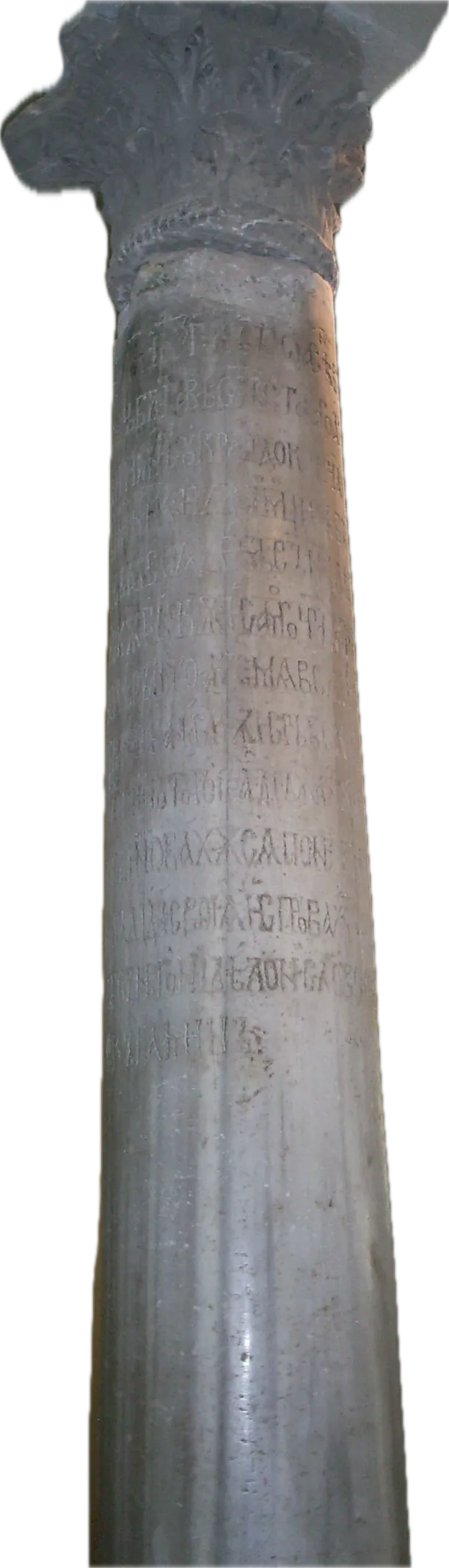
A stone column with incised letters in Tarnovo’s Holy Forty Martyrs Church. Not every letter can be read in this photograph.
Full attribution
Image: Svik; Wikimedia Commons; CC BY-SA 3.0. Unmodified. Cut-out detail; background removed.
First Bulgarian Tsardom
All stories · 9Diego Delso · CC BY-SA 4.0 · Wikimedia Commons
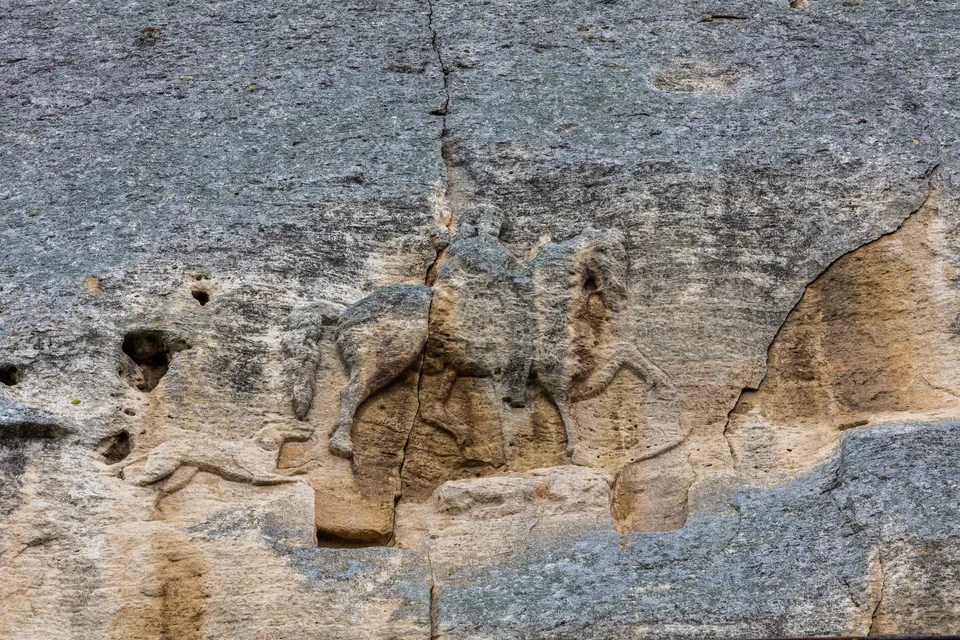
Rider, dog behind the horse and lion beneath the forelegs; inscription lines appear above.
Full attribution
Photo: Diego Delso, delso.photo, Wikimedia Commons, CC BY-SA 4.0. Processed image.
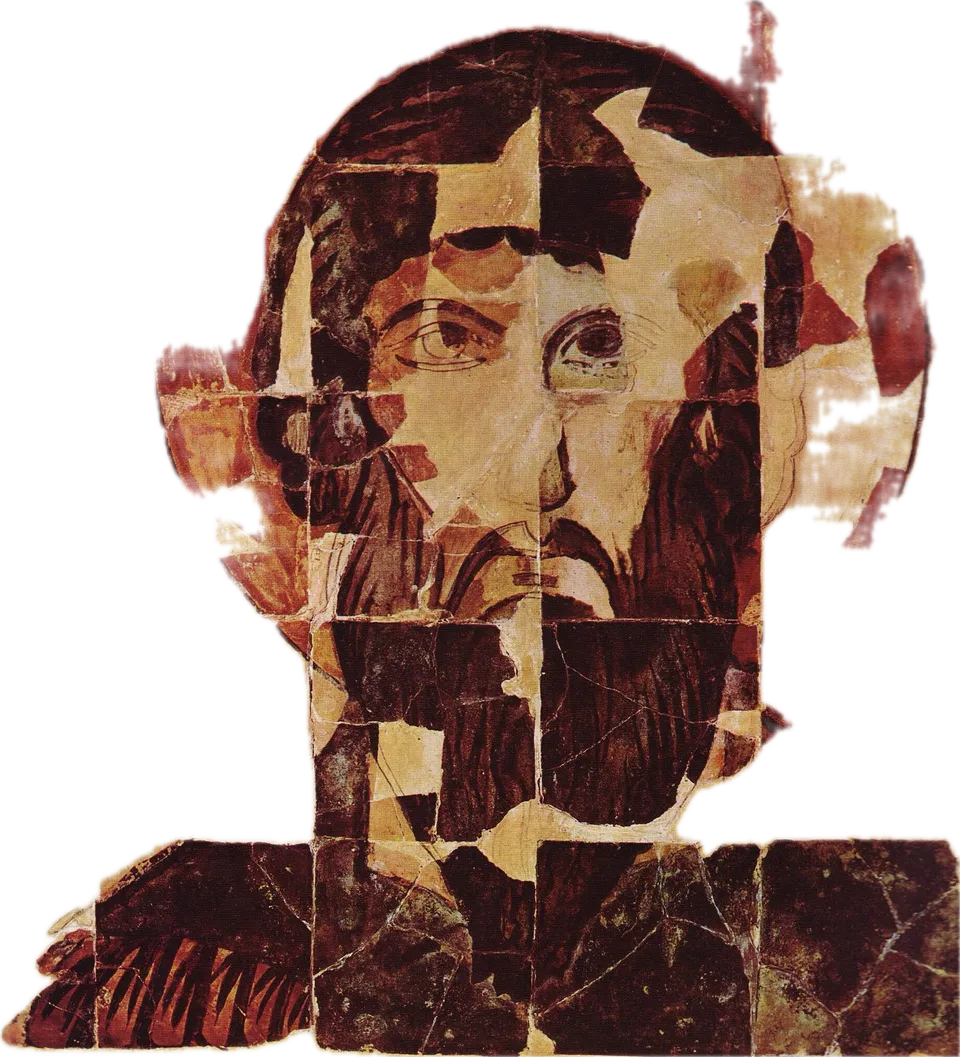
Unknown medieval painter · Public domain (PD-Art, PD-old-70) · Wikimedia Commons
Full attribution
Reproduction from Atanas Boschkov, Die bulgarische Malerei, photographs by Julian Tomanov, 1969, p. 53. Public domain (PD-Art), via Wikimedia Commons. Cut-out detail; background removed.
Cleveland Museum of Art · CC0 · Wikimedia Commons
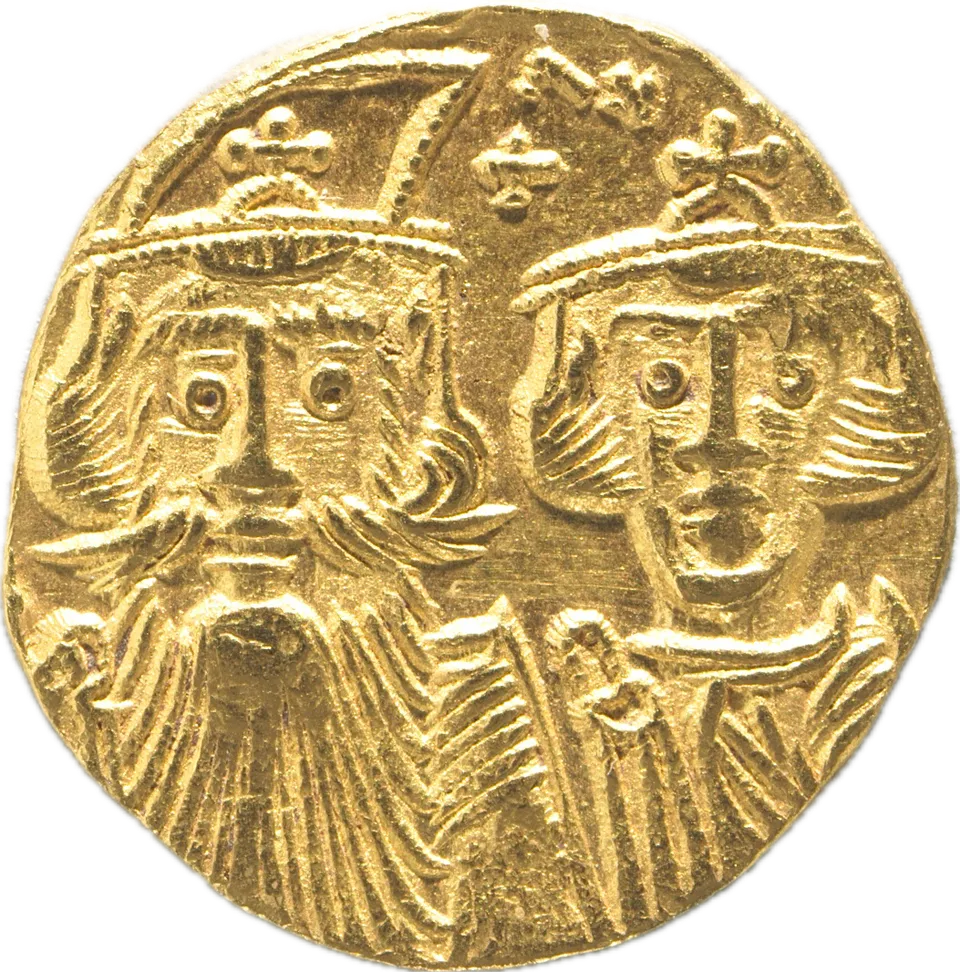
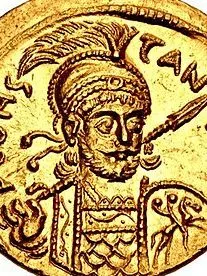
Gold coin. Constans II is on the left, the smaller Constantine IV on the right. It predates the campaign; no link to the treaty payment is established.
Full attribution
Cleveland Museum of Art (photograph); Byzantine mint (object maker not individually recorded); Wikimedia Commons; CC0. Gold coin. Constans II is on the left, the smaller Constantine IV on the right. It predates the campaign; no link to the treaty payment is established. Cut-out detail; background removed.
Francesco Bini · CC BY-SA 4.0 · Wikimedia Commons
Full attribution
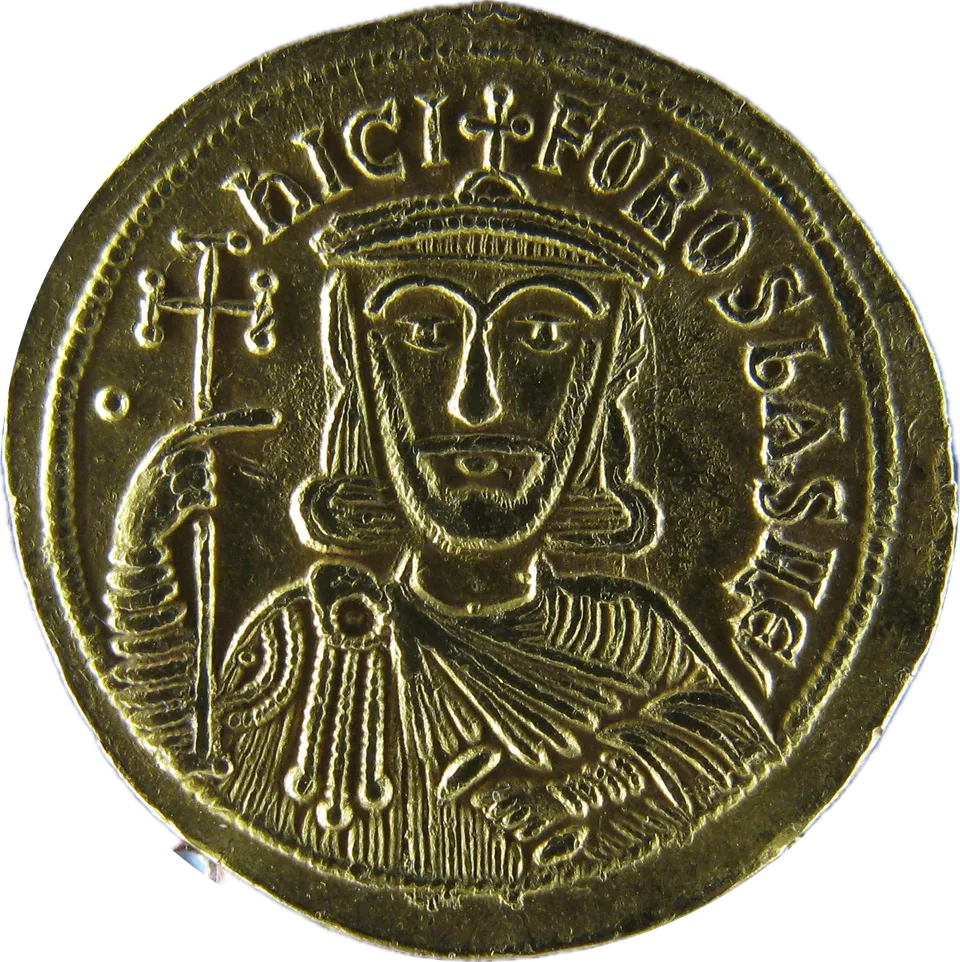
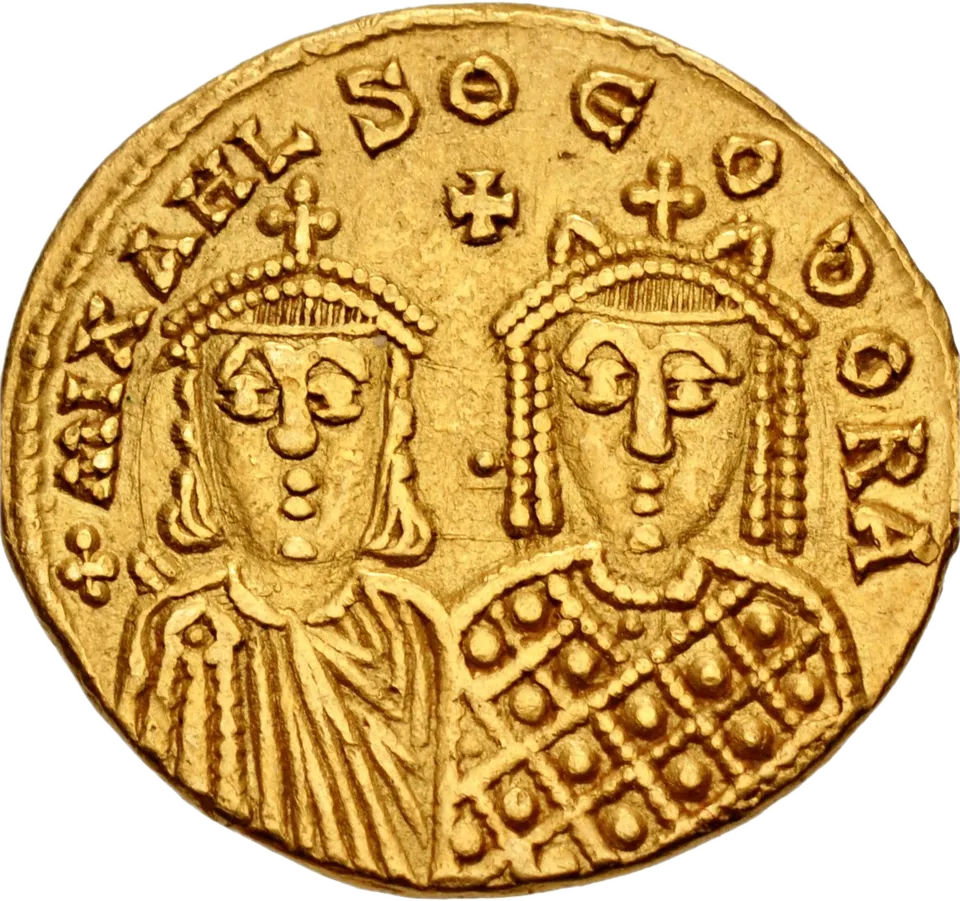
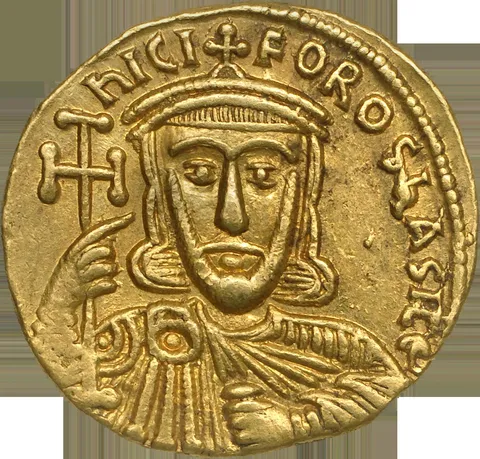
Francesco Bini. Wikimedia Commons, CC BY-SA 4.0. Gold coin of Nikephoros I in the Numismatic Museum, Athens, photographed by Francesco Bini. Crown, face and cross are visible. We do not know where this coin was found. Cut-out detail; background removed.
Fyodor Uspensky · Public domain · Wikimedia Commons
The old photograph, published in 1899, shows Cyrillic letters at the lower right.
Full attribution
Image: Fyodor Uspensky, Wikimedia Commons, Public domain. Historic photograph published in 1899; the inscription is at the lower right. Some passages are damaged. Cut-out detail; background removed.
Shakko · CC BY-SA 3.0 · Wikimedia Commons
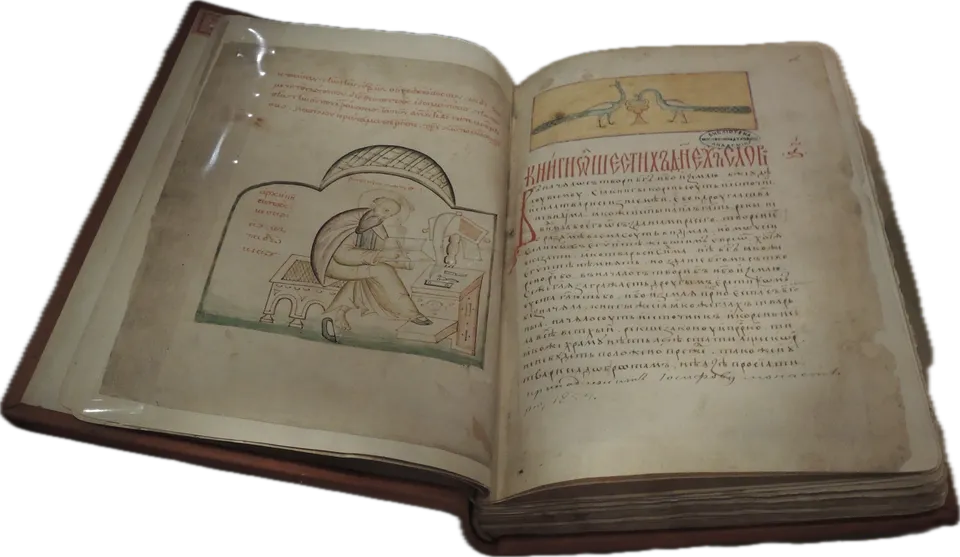
Commons describes this as a fifteenth-century Russian copy of the Hexameron from the Russian State Library. The exact shelfmark has not been verified.
Full attribution
Shakko. Wikimedia Commons. CC BY-SA 3.0. Unmodified. Cut-out detail; background removed.
Vislupus · CC BY-SA 4.0 · Wikimedia Commons
Museum case at Pliska: a broken handled vessel on the left and a ceramic fragment on the right. Exact dates and find contexts of individual objects have not been established.
Full attribution
Photo: Vislupus, Wikimedia Commons, CC BY-SA 4.0. Cut-out detail; background removed.
Photo
Classical Numismatic Group · CC BY-SA 2.5 · Wikimedia Commons
Full attribution
Photo: Classical Numismatic Group (CNG) / Wikimedia Commons. CC BY-SA 2.5. Unmodified. Cut-out detail; background removed. Original object
Fyodor Uspensky · Public domain · Wikimedia Commons
Full attribution
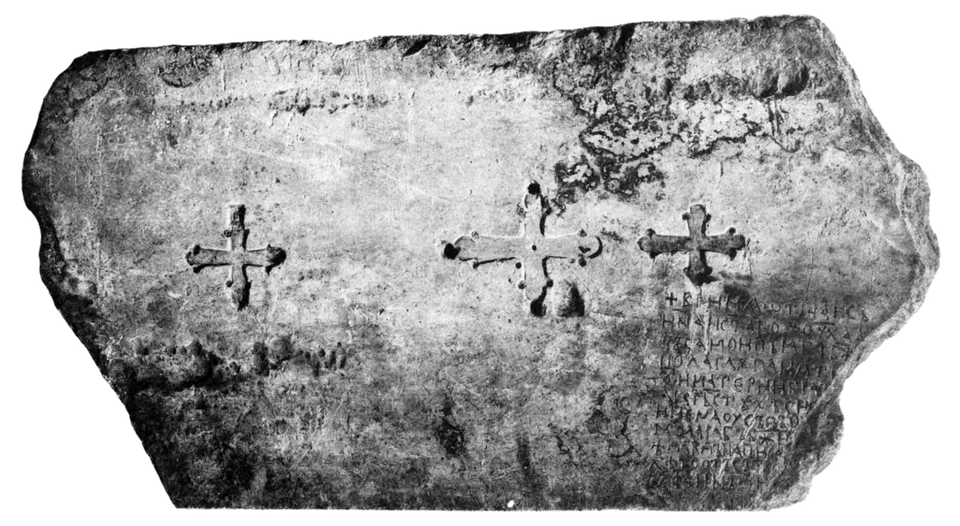
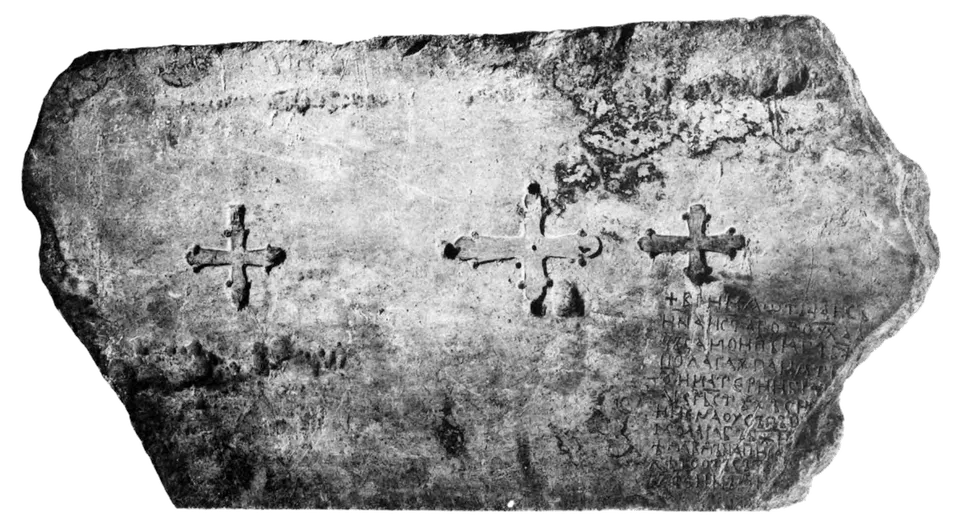
Fyodor Uspensky / Wikimedia Commons. Public domain. Historical printed reproduction of the German slab with three crosses and a short inscription. Cut-out detail; background removed.
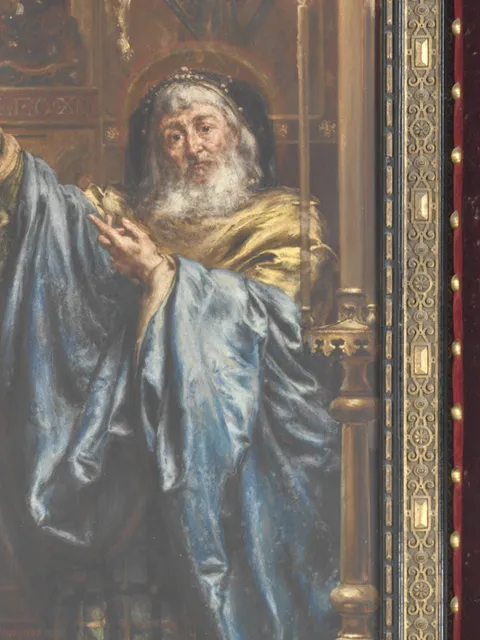
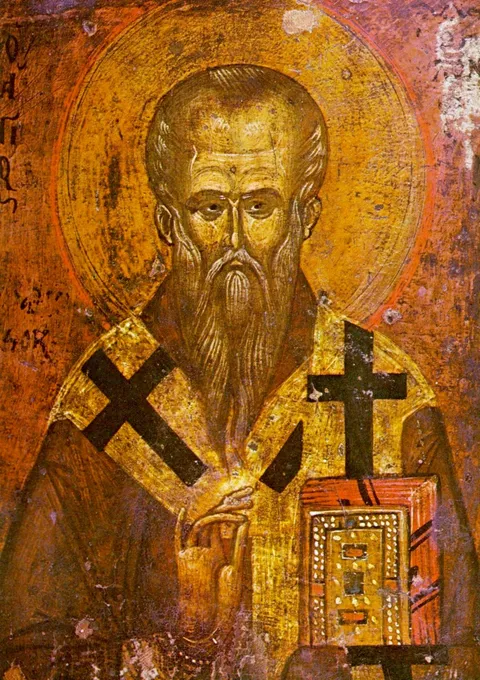
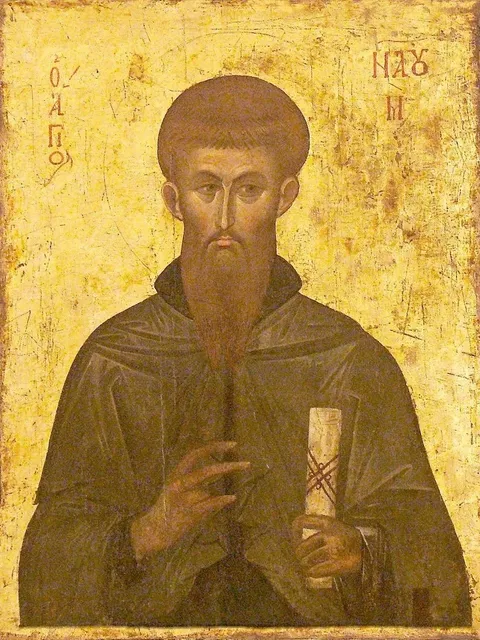
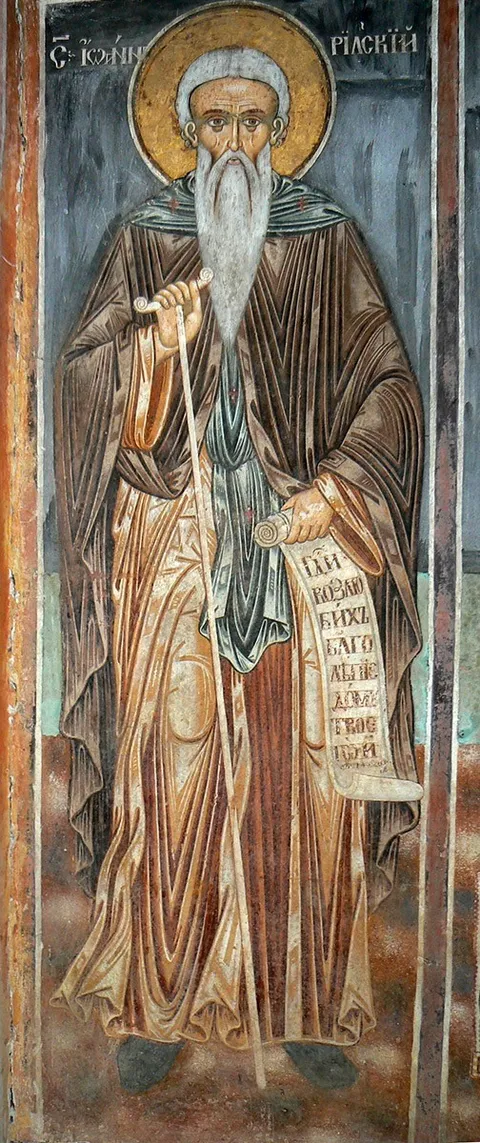
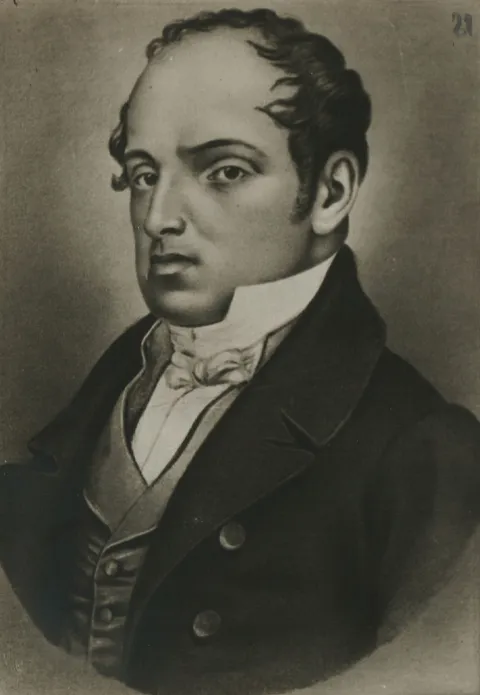
Person of the day
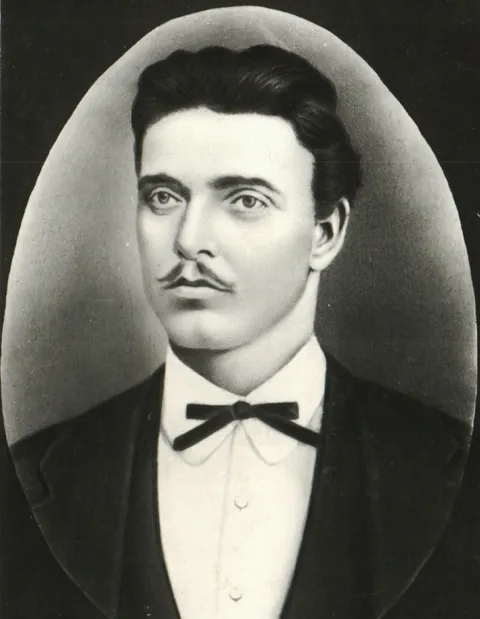
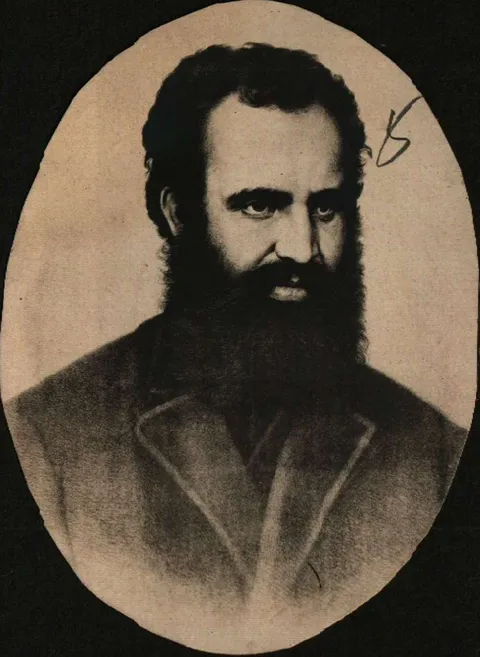
Vasil Levski
His letters and notebook document work for a republic with equal rights.
Person of the day
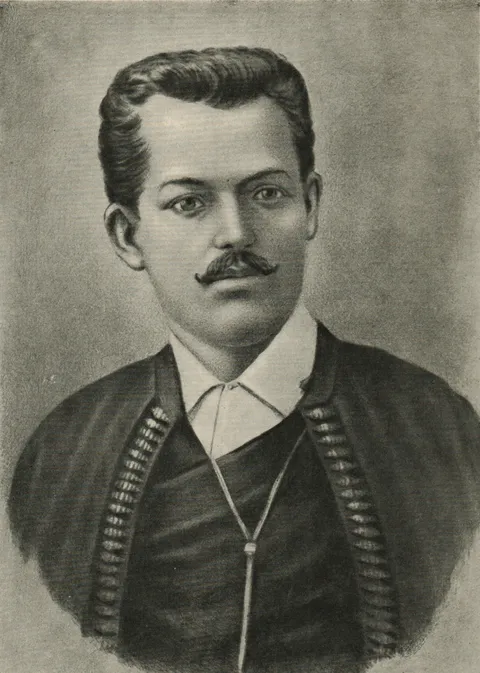
Hristo Botev
The poet and editor led a band from the Radetzky towards the Vratsa Balkan.
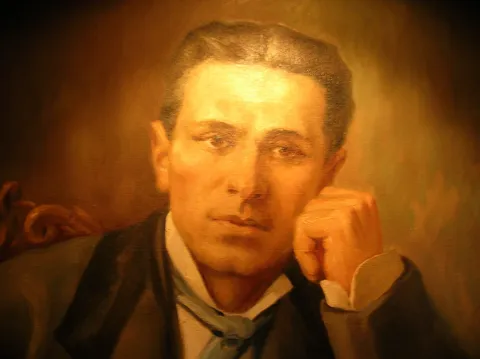
Person of the day
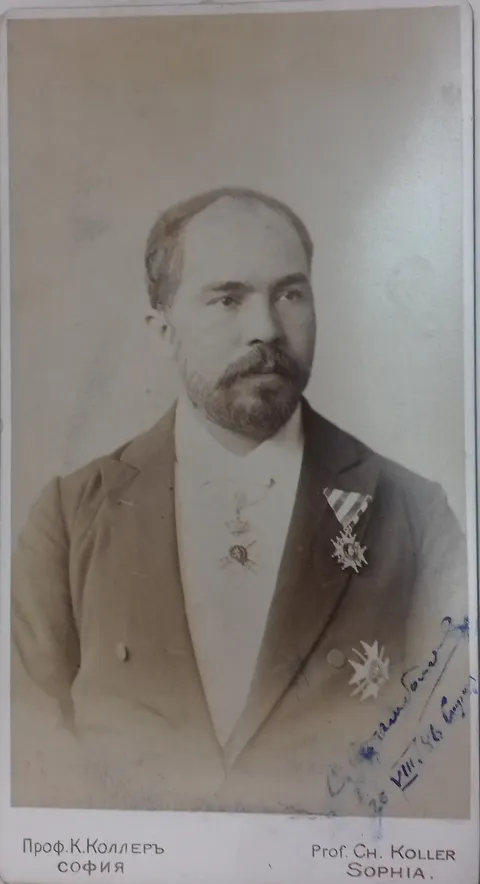
Todor Kableshkov
The “Bloody Letter” informed Panagyurishte that the uprising had begun.
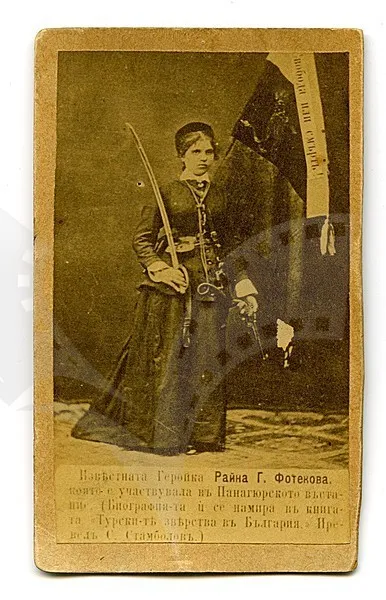
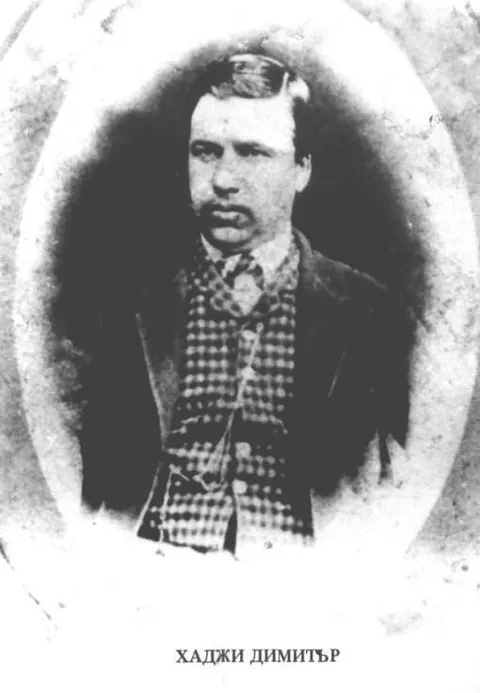
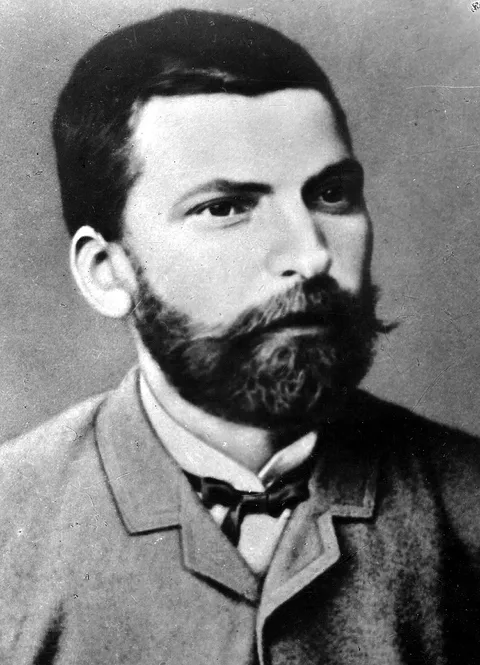
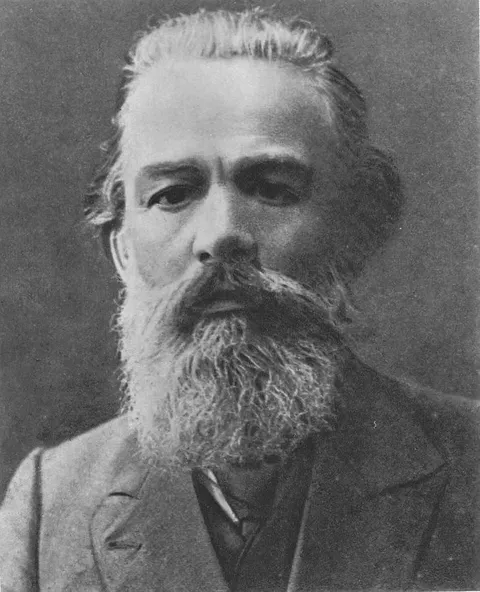
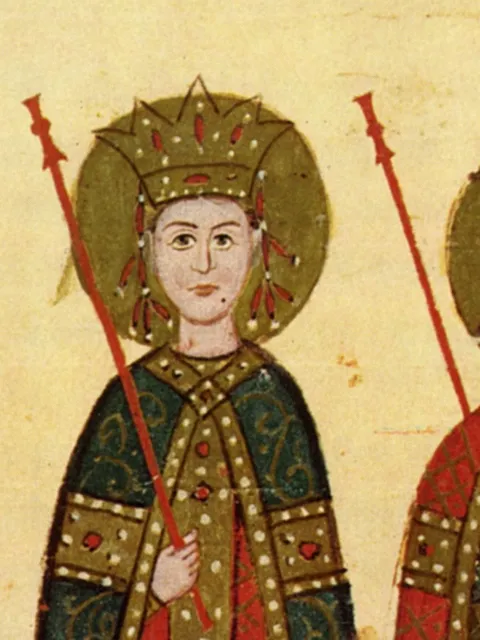
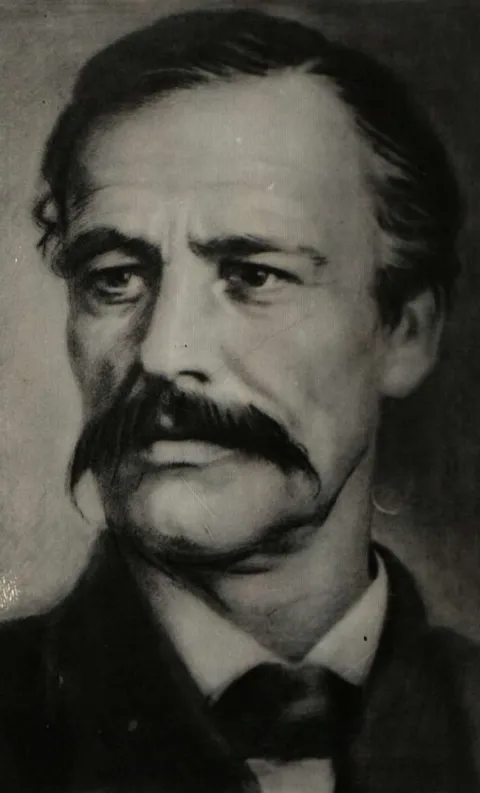
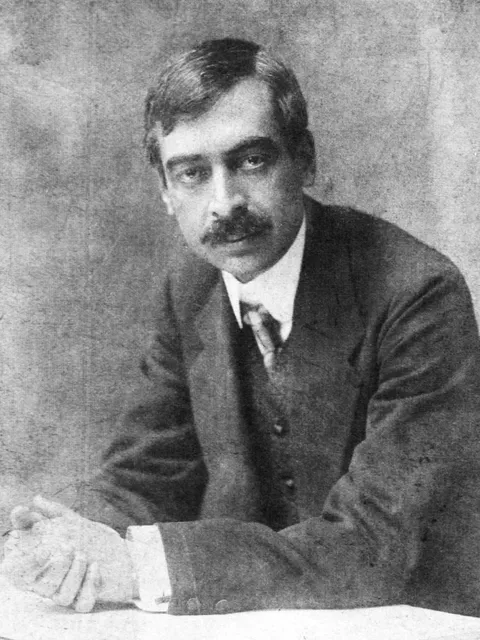
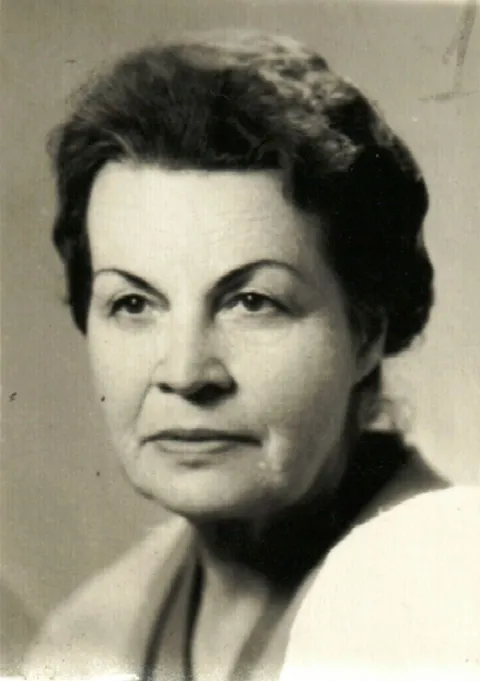
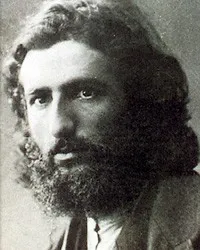
Person of the day
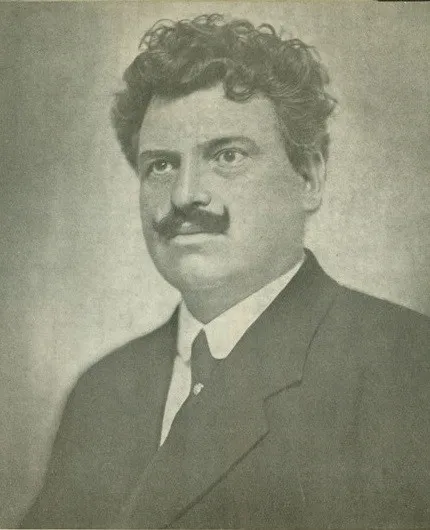
Vladimir Dimitrov – Maystora
Rural faces and work are central themes of his painting.
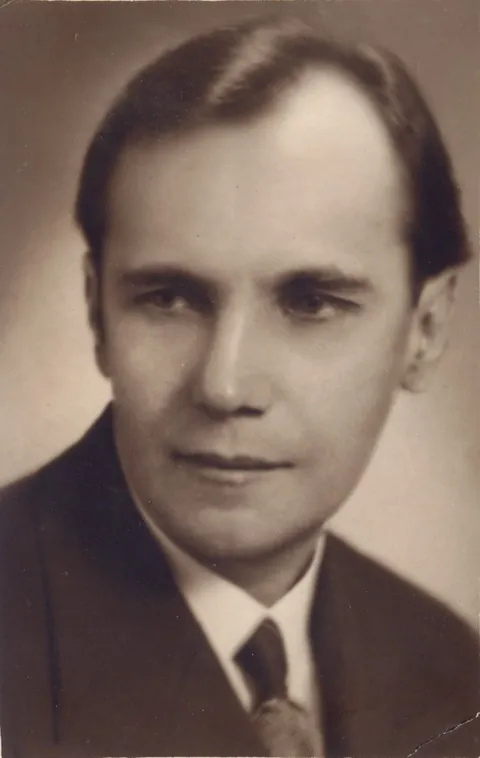
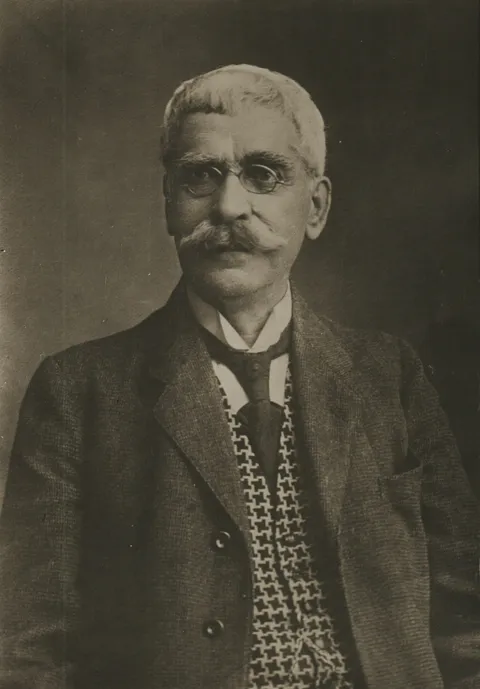
Person of the day
Ivan Vazov
Under the Yoke turned life before the uprising into a literary narrative.
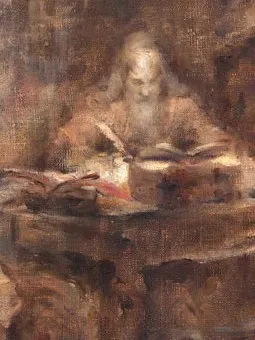
Person of the day
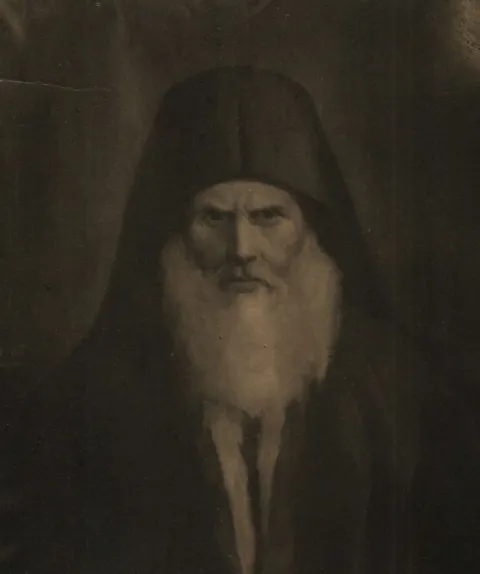
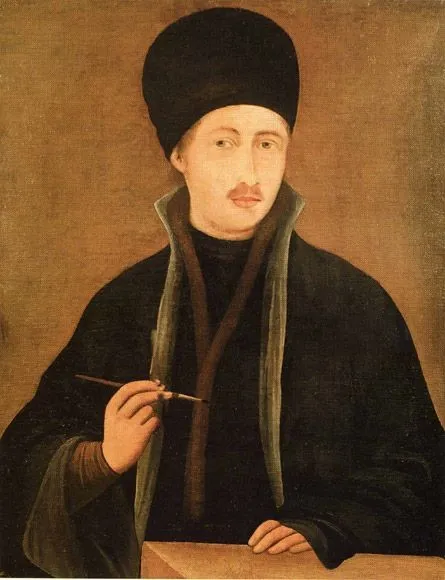
Paisius of Hilendar
His Slav-Bulgarian History gathered a narrative of the Bulgarian past.
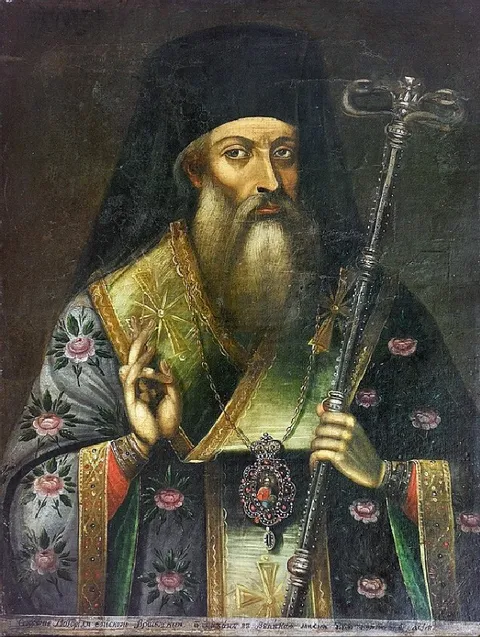
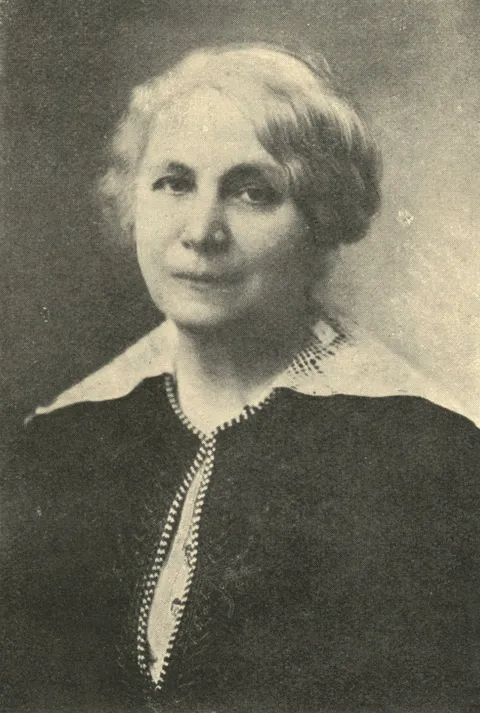
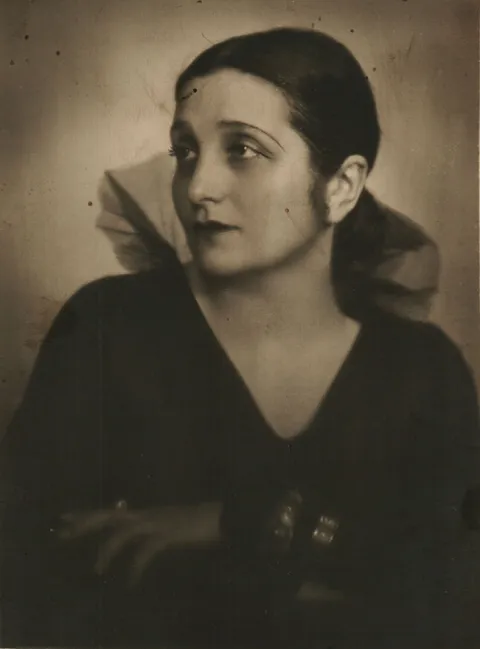
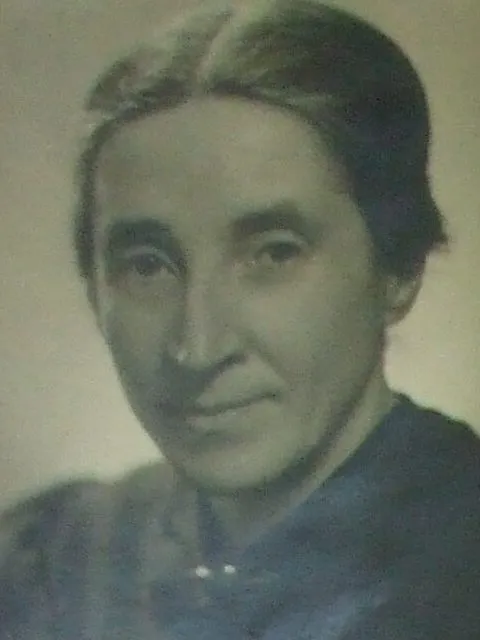
Person of the day
Elisaveta Karamihaylova
She researched radioactivity and developed nuclear-physics teaching.
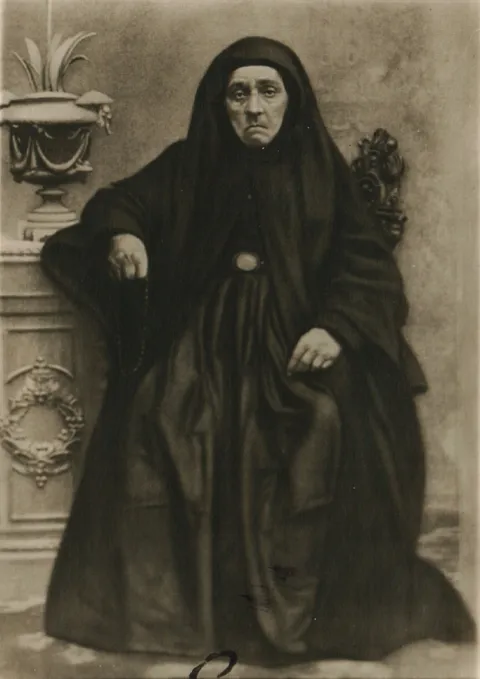
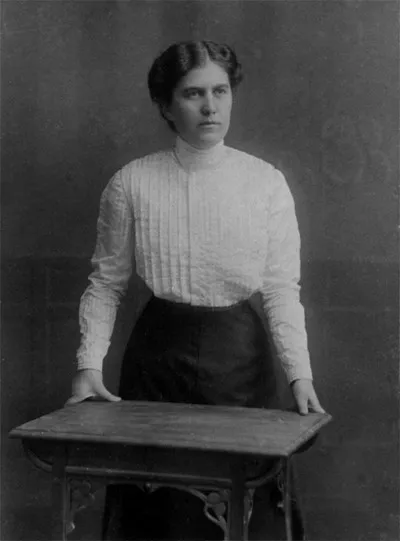
Person of the day
Dimitrana Ivanova
She worked for women’s equal access to education and public rights.
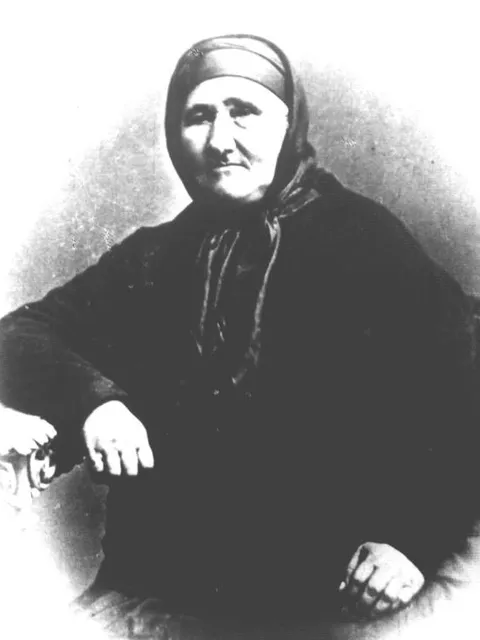
Person of the day
Tonka Obretenova
Her home and assistance in Ruse formed part of revolutionary networks.
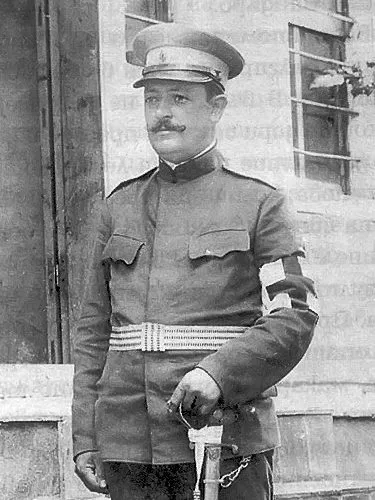
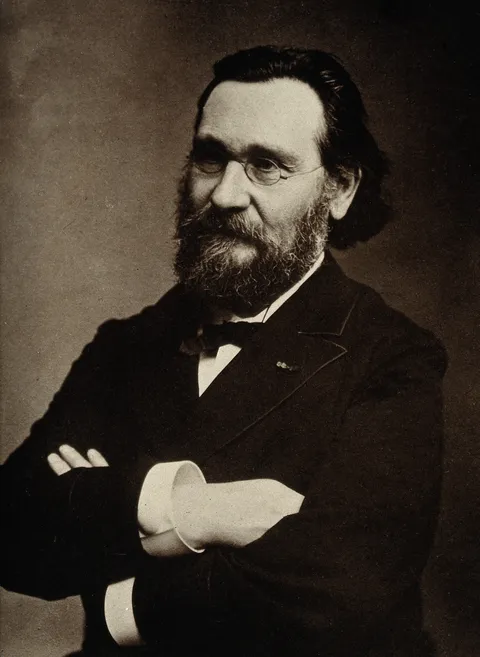
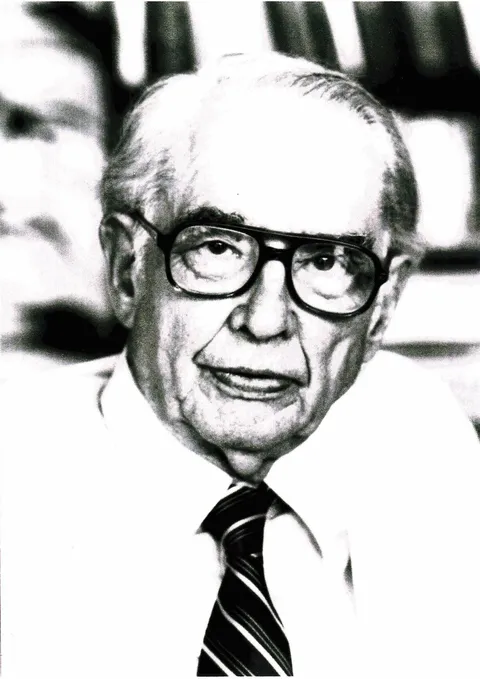
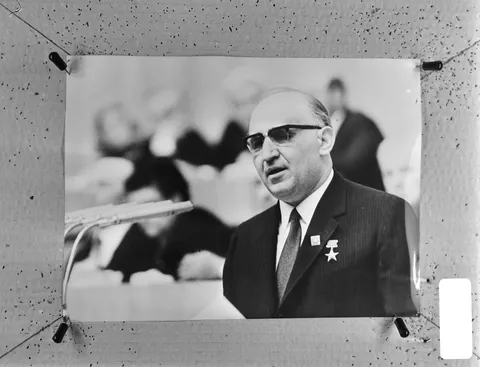
Antiquity: Thracians, Greeks, Romans
All stories · 10SashaCoachman · CC BY-SA 3.0 · Wikimedia Commons
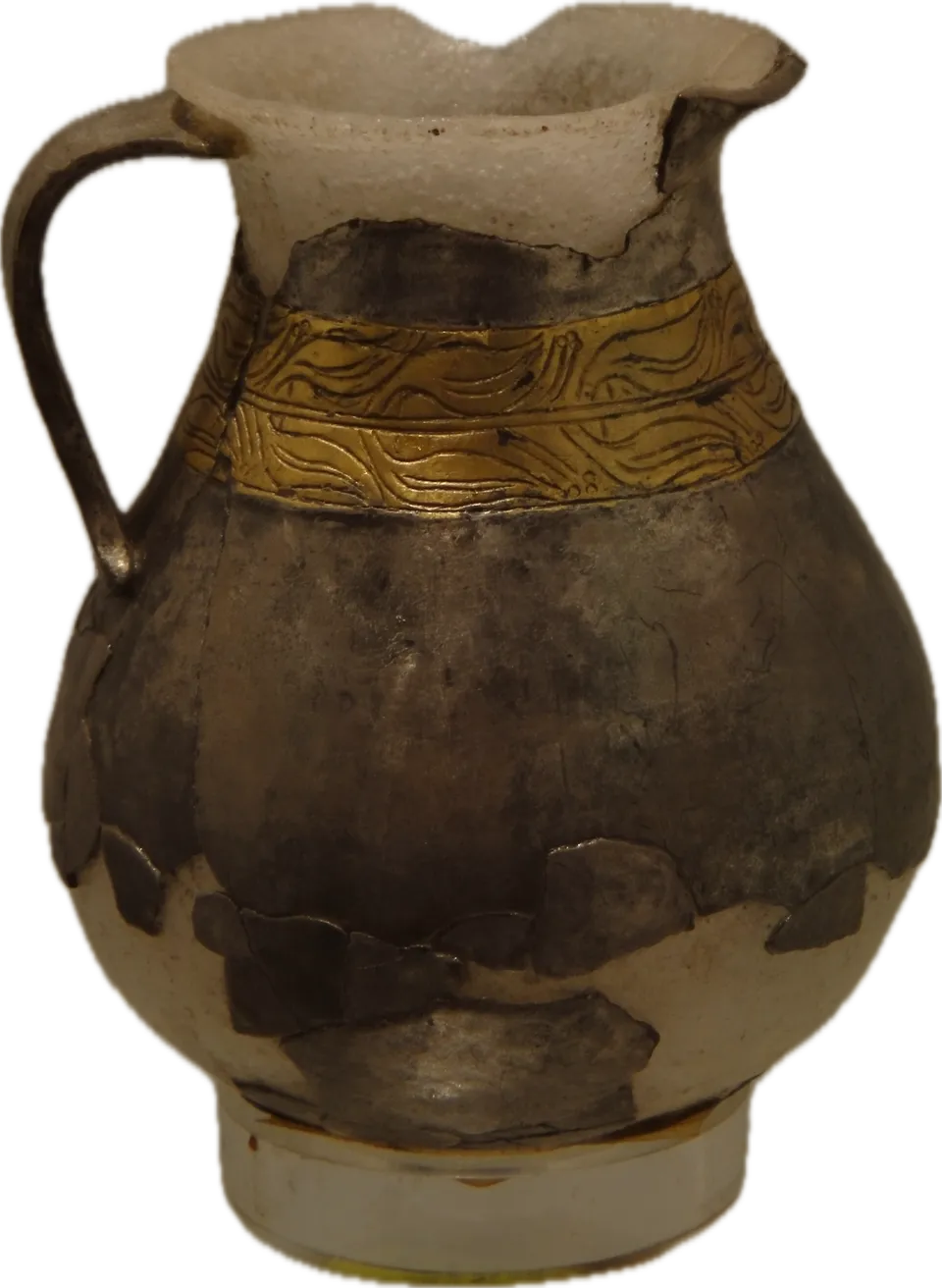
Silver jug with gilded decoration, museum display
Full attribution
Photo: SashaCoachman; Wikimedia Commons; CC BY-SA 3.0. Cut-out detail; background removed.
Photo
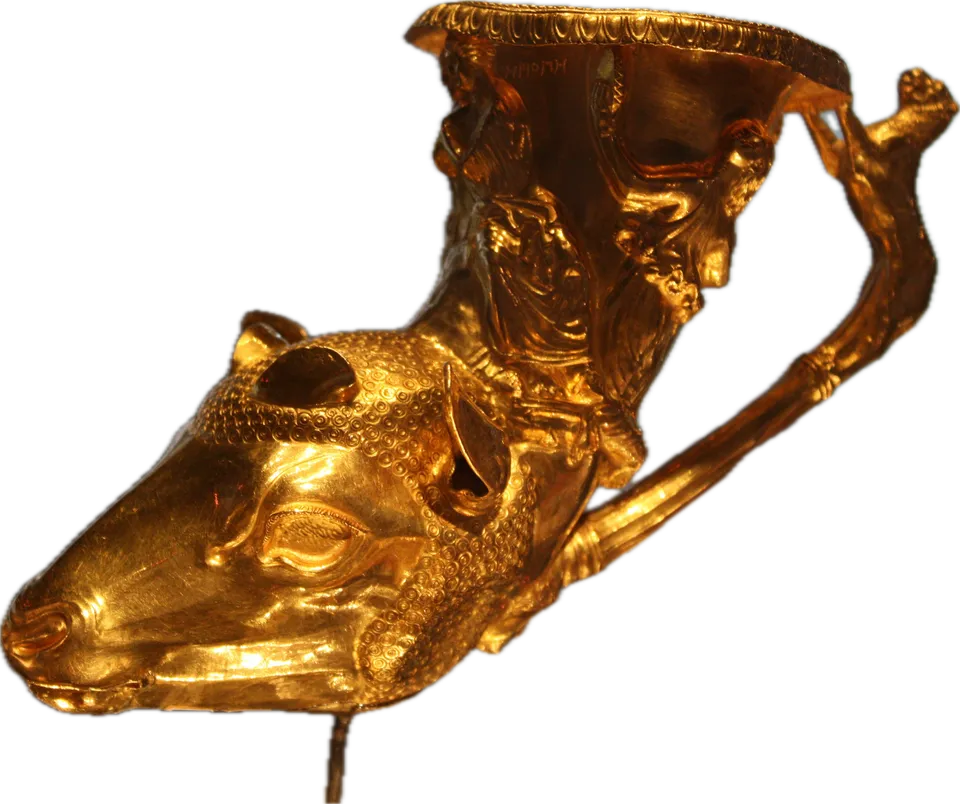
Apostoloff · CC BY-SA 3.0 · Wikimedia Commons
Ram-head rhyton. Dionysos, Eriope and two maenads are depicted on the neck. Museum display. It has not been confirmed whether the photographed object is the original or a museum replica.
Full attribution
Photo: Apostoloff, Wikimedia Commons, CC BY-SA 3.0 Cut-out detail; background removed. Museum display; original or replica unconfirmed
Kritzolina · CC BY-SA 4.0 · Wikimedia Commons
Full attribution
Photo: Kritzolina, Wikimedia Commons, CC BY-SA 4.0. Site today. Original file, unmodified. Cut-out detail; background removed.
Interact-Bulgaria · CC BY-SA 4.0 · Wikimedia Commons
Full attribution
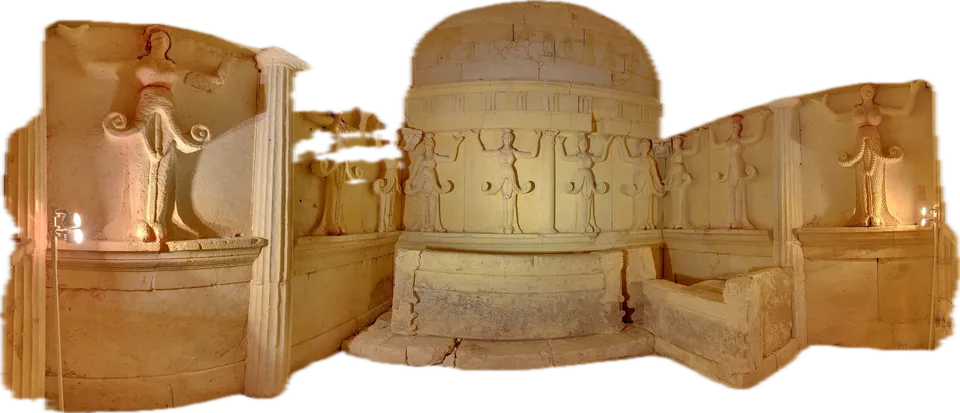
Photo: Interact-Bulgaria. Wikimedia Commons, CC BY-SA 4.0. The original burial chamber in its present setting: stone female figures, beds and a faint painting above them. Lighting is modern. Cut-out detail; background removed.
Photographer uncredited · Public domain · National Library of France / Wikimedia Commons
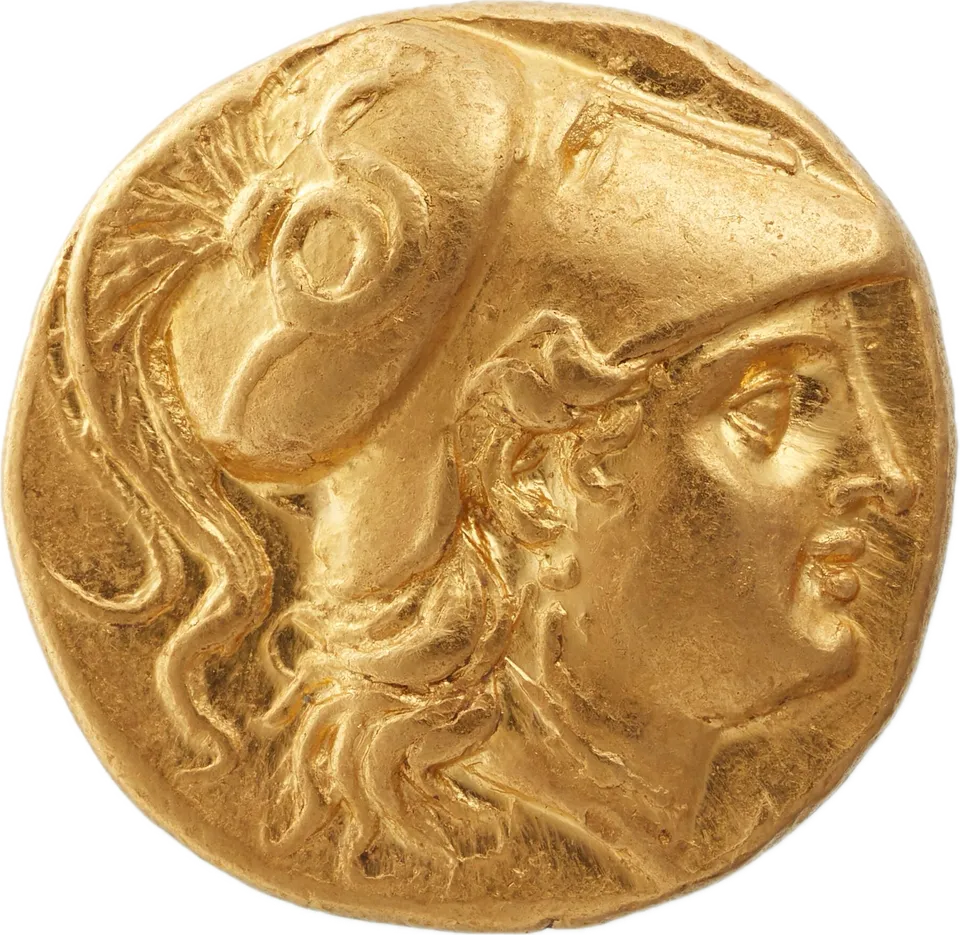
The front of a gold coin from Mesambria, called a stater. It shows the goddess Athena wearing a helmet. The coin follows a design of Alexander the Great.
Full attribution
Digitisation: National Library of France, via Wikimedia Commons. Public domain. Photographer uncredited. Cut-out detail; background removed.
Jastrow · Public domain · Wikimedia Commons
Full attribution
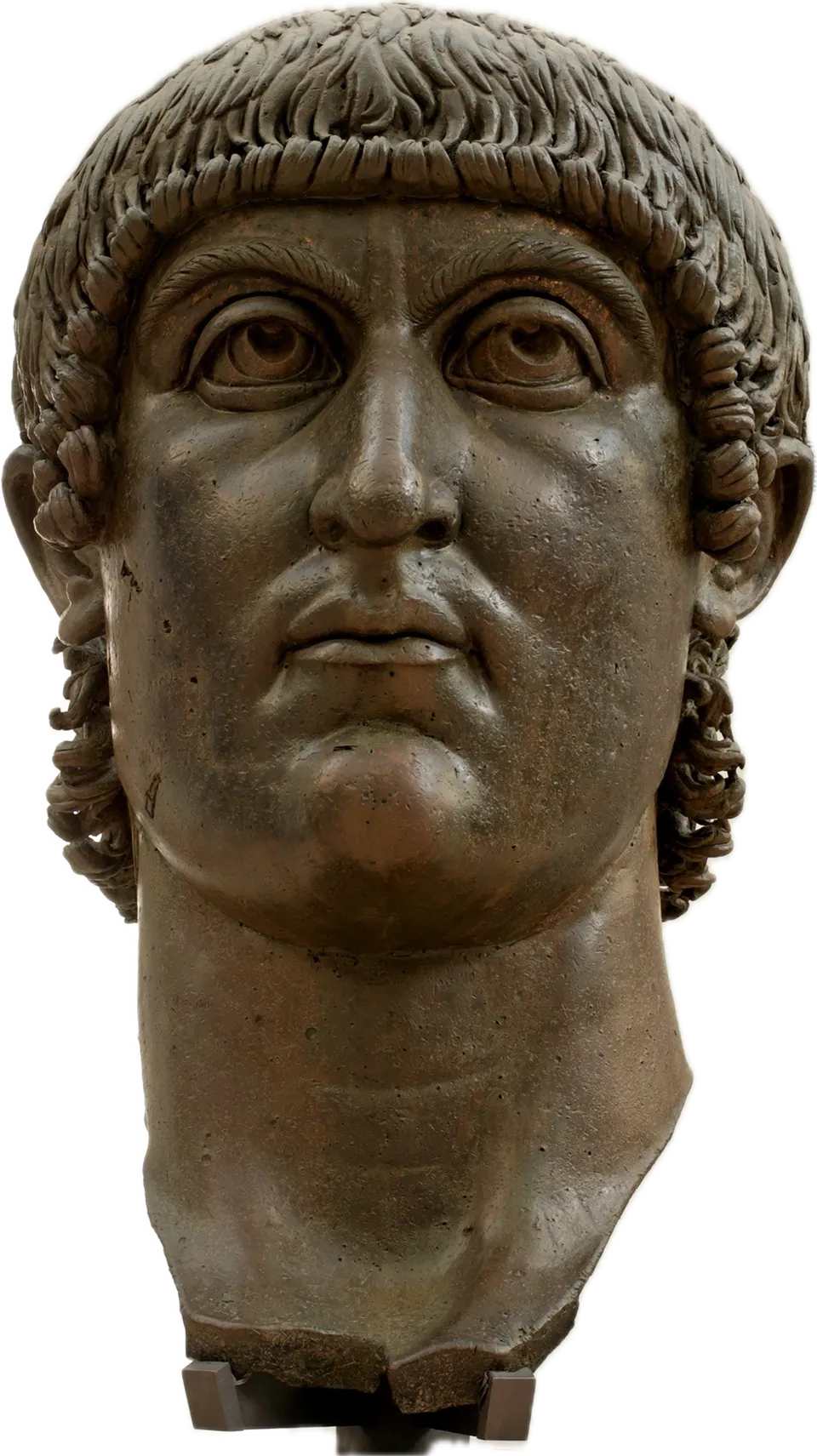
Photo: Jastrow (2006). Ancient sculptor Unknown. Wikimedia Commons. Public domain. Bronze head presented as Constantine, MC1072, Capitoline Museums, Rome. It is not known as a find from Serdica. The neck is a later addition. Cut-out detail; background removed.
Zde · CC BY-SA 4.0 · Wikimedia Commons
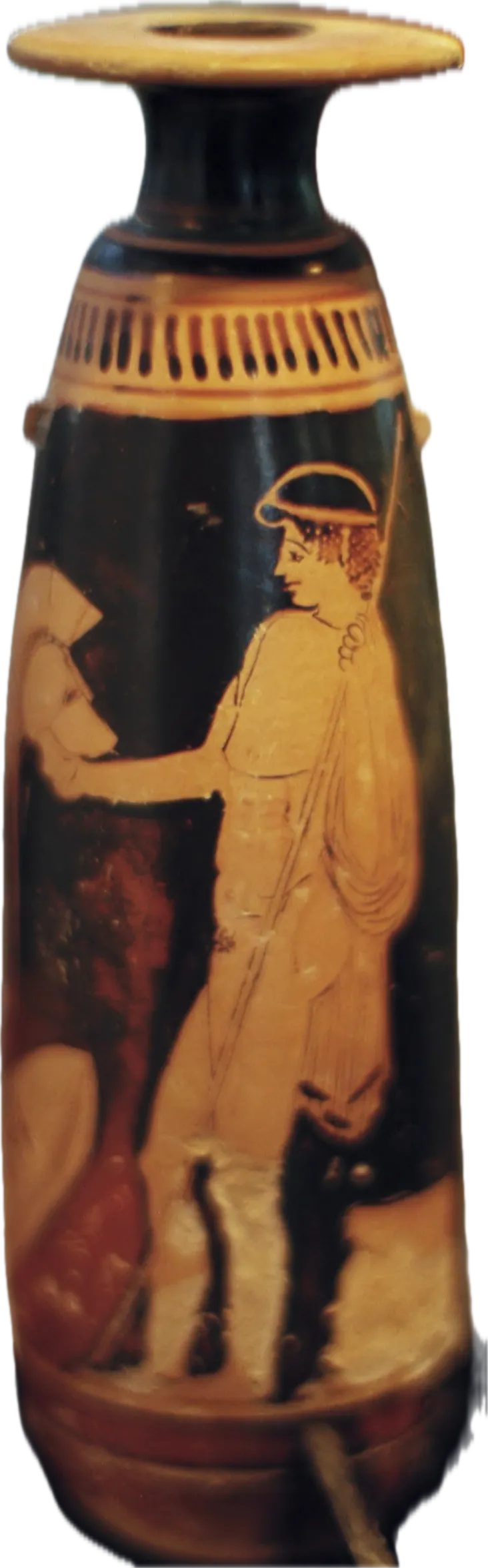
Tall, narrow painted vessel with a human figure, photographed in Sozopol museum.
Full attribution
Photo / digitisation: Zde; Wikimedia Commons; CC BY-SA 4.0. Unmodified. Cut-out detail; background removed.
National Library of France · Public domain · National Library of France / Wikimedia Commons
Full attribution
Image: National Library of France, via Wikimedia Commons. Public domain. Unmodified. Cut-out detail; background removed.
kery_one · CC BY-SA 4.0 · Wikimedia Commons
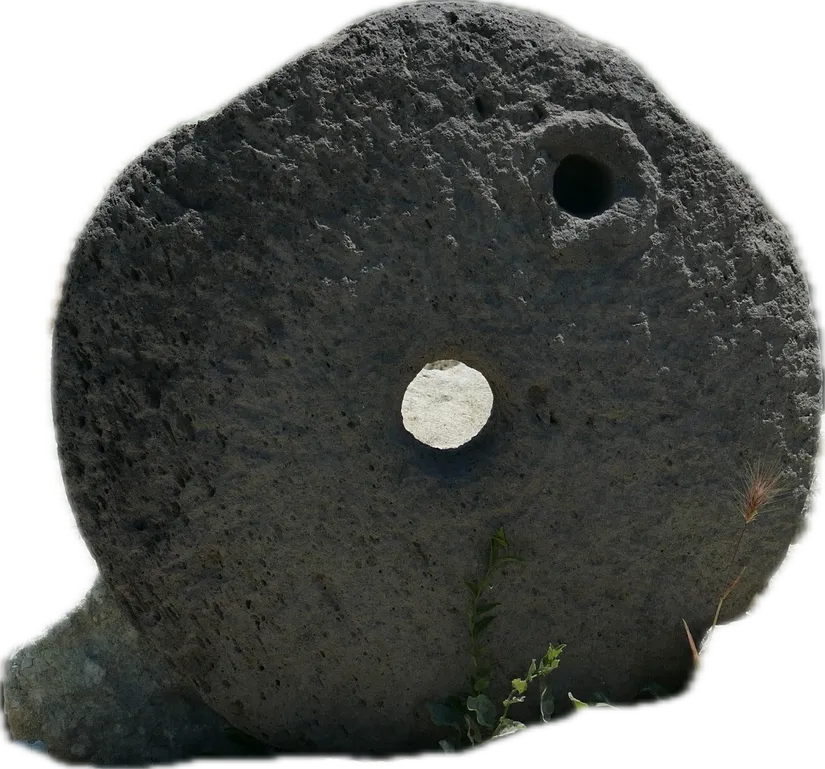
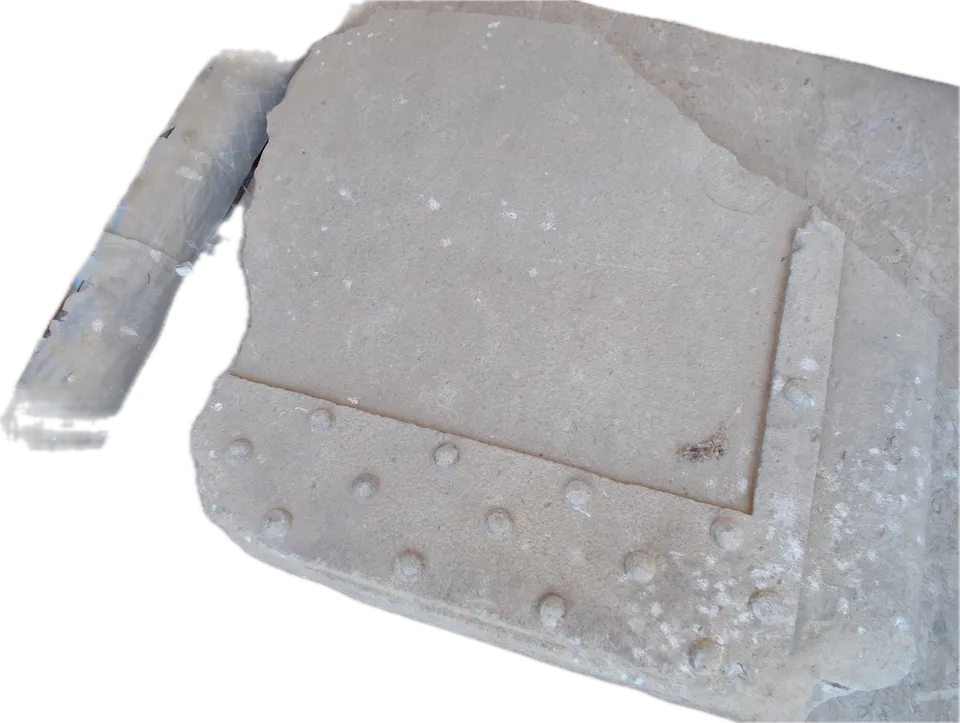
Stone fragment with a smooth panel and projecting circles carved to resemble nail heads, lying on the ground away from its original position.
Full attribution
Photo: kery_one, Wikimedia Commons, CC BY-SA 4.0. Stone fragment with a smooth panel and projecting circles carved to resemble nail heads, lying on the ground away from its original position. Cut-out detail; background removed.
Adam Jones · CC BY-SA 2.0 · Wikimedia Commons
The jug has a narrow neck and side handle. On its body a lion bites a hind.
Full attribution
Photo: Adam Jones, Wikimedia Commons, CC BY-SA 2.0. Ancient object in a museum display. Cut-out detail; background removed.
Listen on the go
All 59 stories in sequence · 3 hr 48 min
More eras
ErasTodor Bozhinov · CC BY-SA 3.0 · Wikimedia Commons
The semicircular projecting part of the ossuary, called an apse. Modern photograph.
Full attribution
Photo: Todor Bozhinov, Wikimedia Commons, CC BY-SA 3.0. Unmodified. Cut-out detail; background removed.
Николай Генов / Nikolay Genov · CC BY 3.0 · Wikimedia Commons
Full attribution
Photo: Николай Генов / Nikolay Genov, Wikimedia Commons, CC BY 3.0. Photograph of objects, not the discovery. Cut-out detail; background removed.
Octopus at Slovenian Wikipedia · CC BY-SA 3.0 · Wikimedia Commons
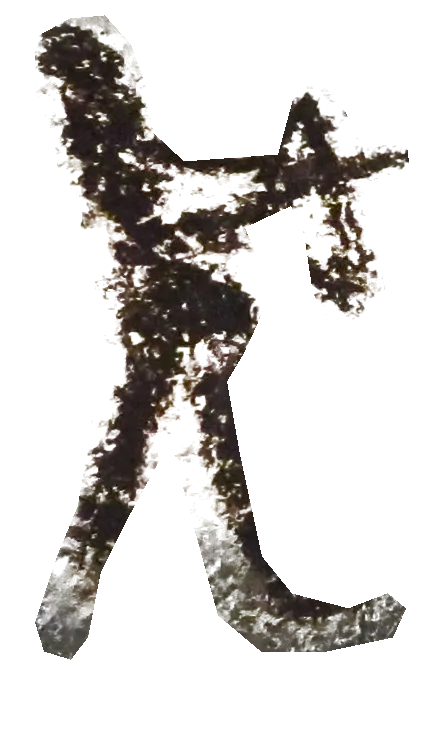
A composition interpreted as hunting and dancing
Full attribution
Photo: Octopus at Slovenian Wikipedia, Wikimedia Commons, CC BY-SA 3.0. Unmodified. A composition interpreted as hunting and dancing. Cut-out detail; background removed.
CryolophosaurusEllioti · CC BY 4.0 · Wikimedia Commons
Full attribution
Photo: CryolophosaurusEllioti, Wikimedia Commons, CC BY 4.0. Museum photograph of finds. Cut-out detail; background removed.
Rossitza Ohridska-Olson · CC BY-SA 3.0 · Wikimedia Commons
Full attribution
Photo: Rossitza Ohridska-Olson, Wikimedia Commons, CC BY-SA 3.0 Cut-out detail; background removed.