 History of Bulgaria
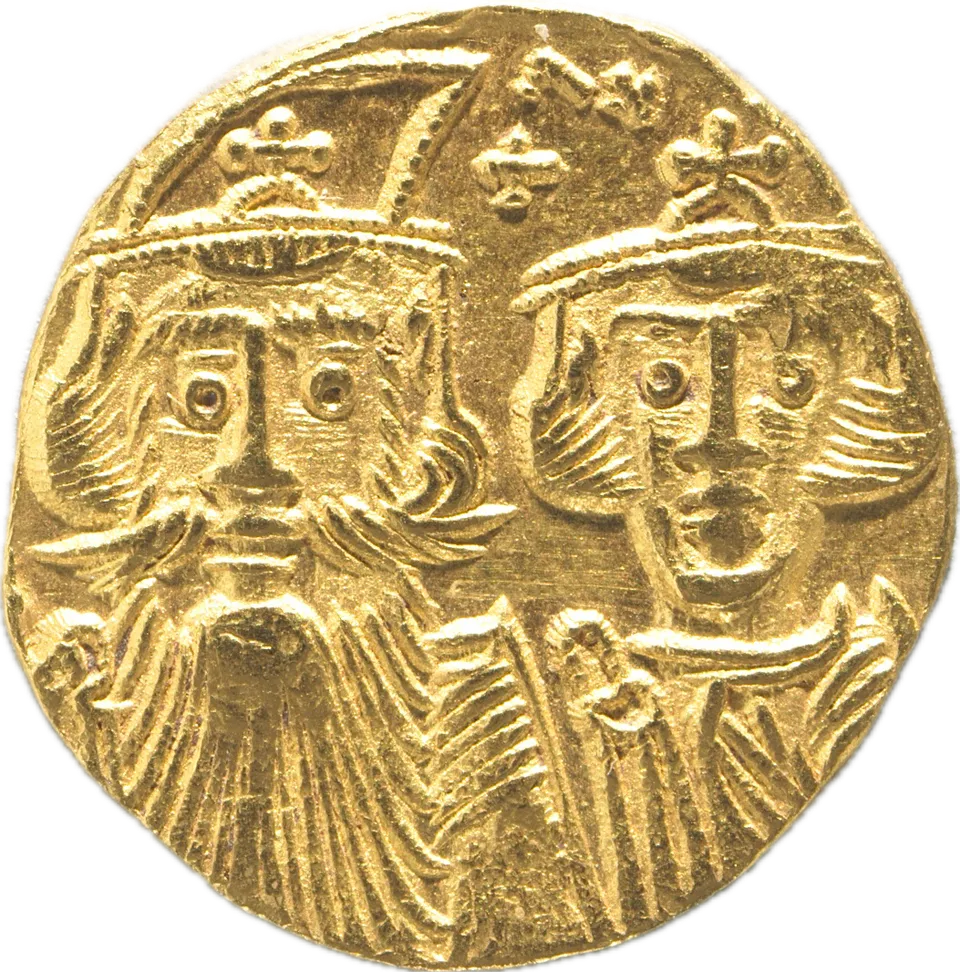
Cleveland Museum of Art · CC0 · Wikimedia Commons
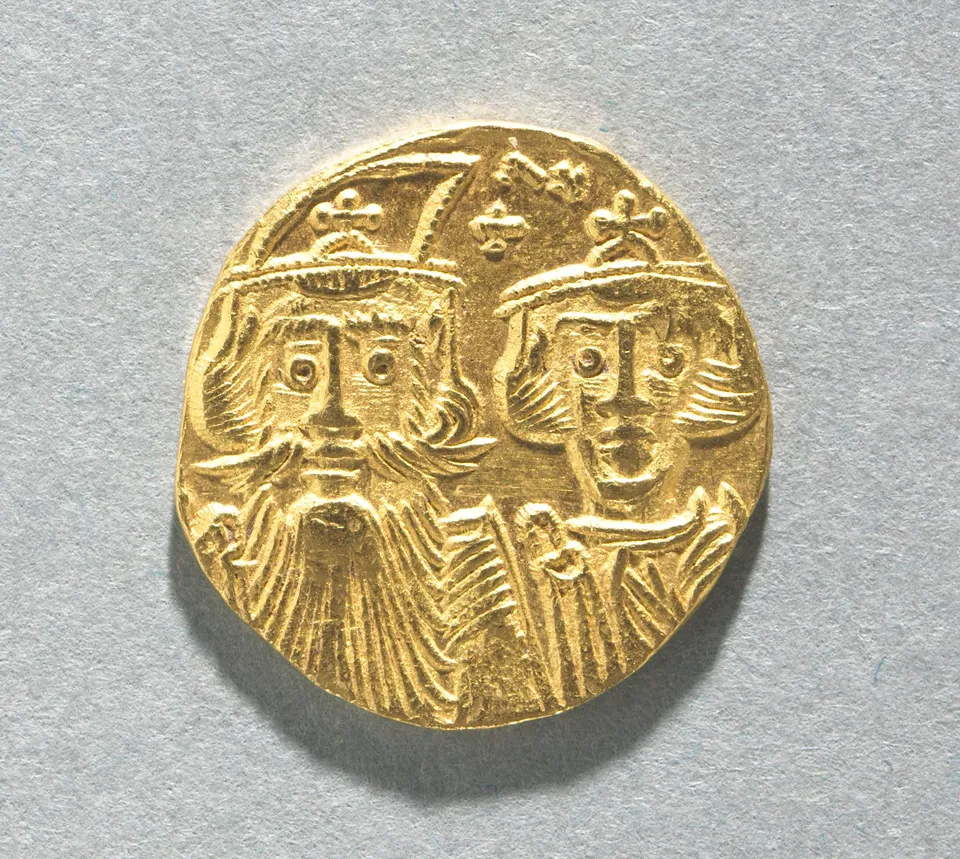
Gold coin. Constans II is on the left, the smaller Constantine IV on the right. It predates the campaign; no link to the treaty payment is established.
Full attribution
Cleveland Museum of Art (photograph); Byzantine mint (object maker not individually recorded); Wikimedia Commons; CC0. Gold coin. Constans II is on the left, the smaller Constantine IV on the right. It predates the campaign; no link to the treaty payment is established. Cut-out detail; background removed.
An emperor leads an army towards the marshes. After his retreat, the Bulgars cross the Danube. Peace and payments follow. But where does the year we remember come from?
Part 1 · First Tsardom
Two chronicles on the table
Open a chronicle: a book that arranges the past in time. Theophanes and Nikephoros tell Asparuh’s story from Byzantium, the Eastern Roman Empire. Both write long after the war. Neither witnessed it. Theophanes speaks harshly of the Bulgars, yet describes his side’s defeat.
Their accounts have Kubrat urging his five sons to stay together. Researchers read this as a moral tale, not a recorded conversation. Theophanes calls Asparuh the third son. Researchers suggest both writers probably share an earlier source. Similar accounts need not provide independent confirmation.
Sources · 5
- Kirił Marinow Asparuh and His People on the Lower Danube through the Eyes of Theophanes, or a Story that Was Not Meant to Happen PDF
- Theophanes the Confessor; ed. Carl de Boor; tr. Cyril Mango and Roger Scott, with Geoffrey Greatrex Chronographia, AM 6171
- Nikephoros, Patriarch of Constantinople; ed. and tr. Cyril Mango Short History / Nicephori Patriarchae Constantinopolitani breviarium historicum
- Jesse W. Torgerson and Mike Humphreys Chronicles, Histories, and Letters PDF
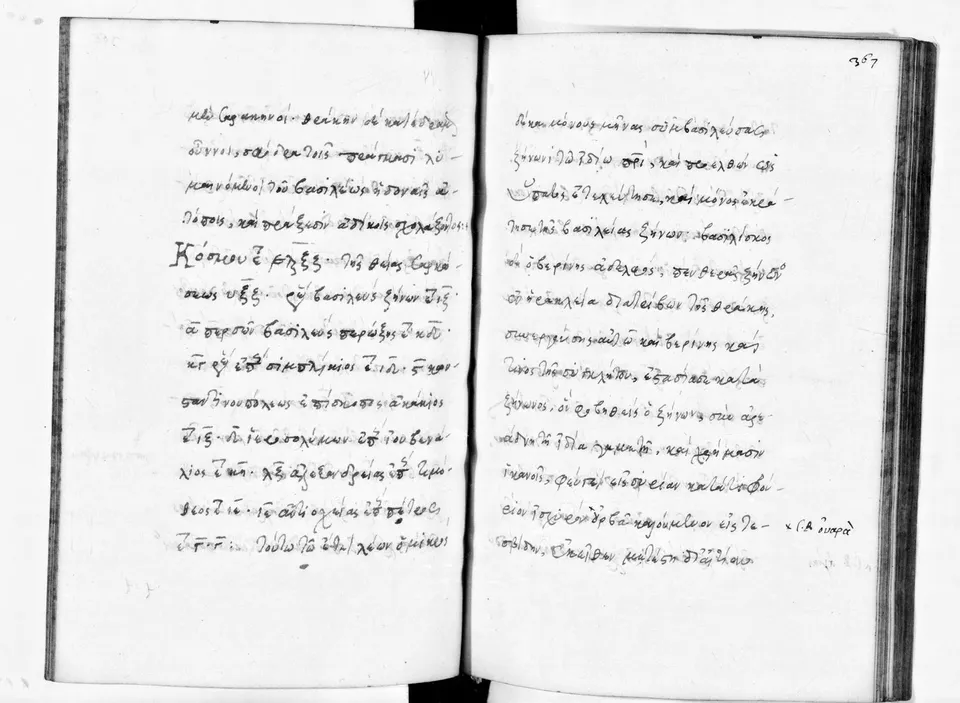
- Unidentified manuscript copyist; texts attributed to Georgius Syncellus and Theophanes; digitisation: Bibliothèque nationale de France File:Supplément grec 327 - btv1b110047233 (0393 of 1105).jpg


Part 2 · First Tsardom
Reeds beside Onglos
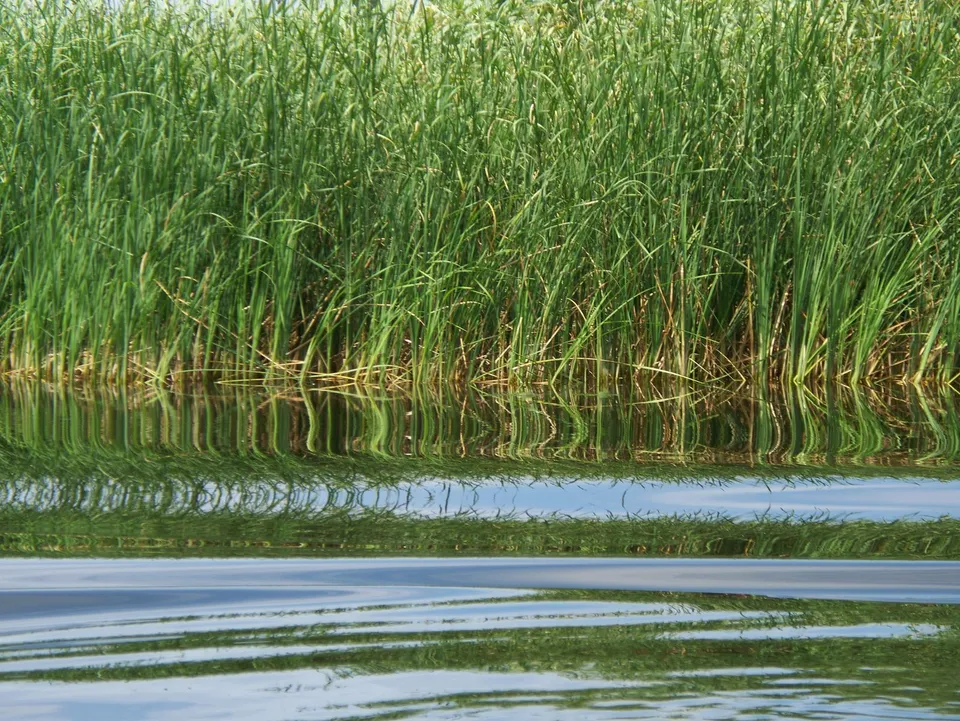
According to Theophanes, Asparuh’s people cross the Dnieper and Dniester towards Onglos. Rivers and marshes protect this refuge. An army would struggle to deploy there. But where exactly is it?
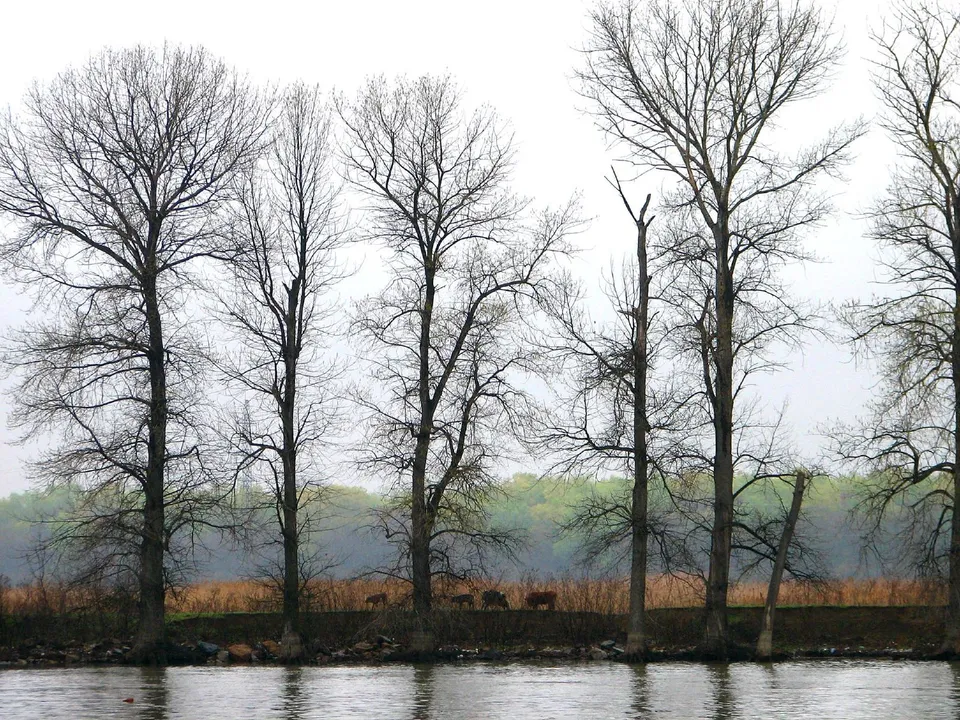
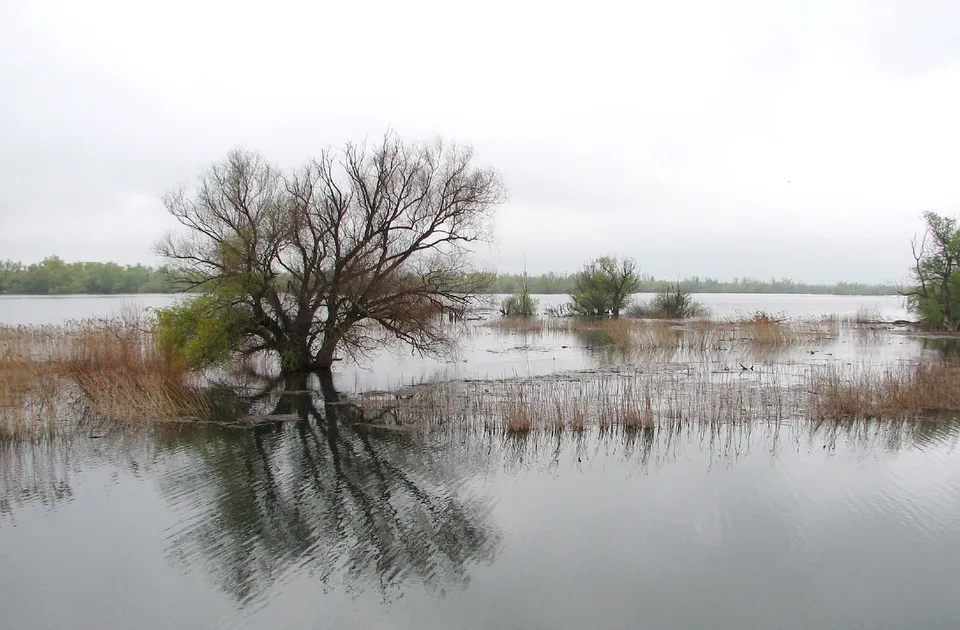
Proposals include the earthworks at Niculiţel, Wallachia, and land between the Siret, Prut and Danube. The debate remains open. Our map uses the delta only as a geographic reference. The photograph shows reeds today. It helps us imagine wet ground. It cannot locate the camp or show how the banks looked then.
- Danube Delta · Approximate location
Sources · 6
- Theophanes the Confessor; ed. Carl de Boor; tr. Cyril Mango and Roger Scott, with Geoffrey Greatrex Chronographia, AM 6171
- Alexandru Madgearu Recent Discussions about “Onglos” PDF
- Wikimedia geographical database contributors Danube Delta
- TriviaKing (English Wikipedia) File:Danube Delta Reeds.JPG
- michael clarke stuff File:Danube delta, Tulcea 05 (2477824433).jpg
- michael clarke stuff File:Danube delta, Tulcea 03 (2478633804).jpg
Part 3 · First Tsardom
Two faces on gold
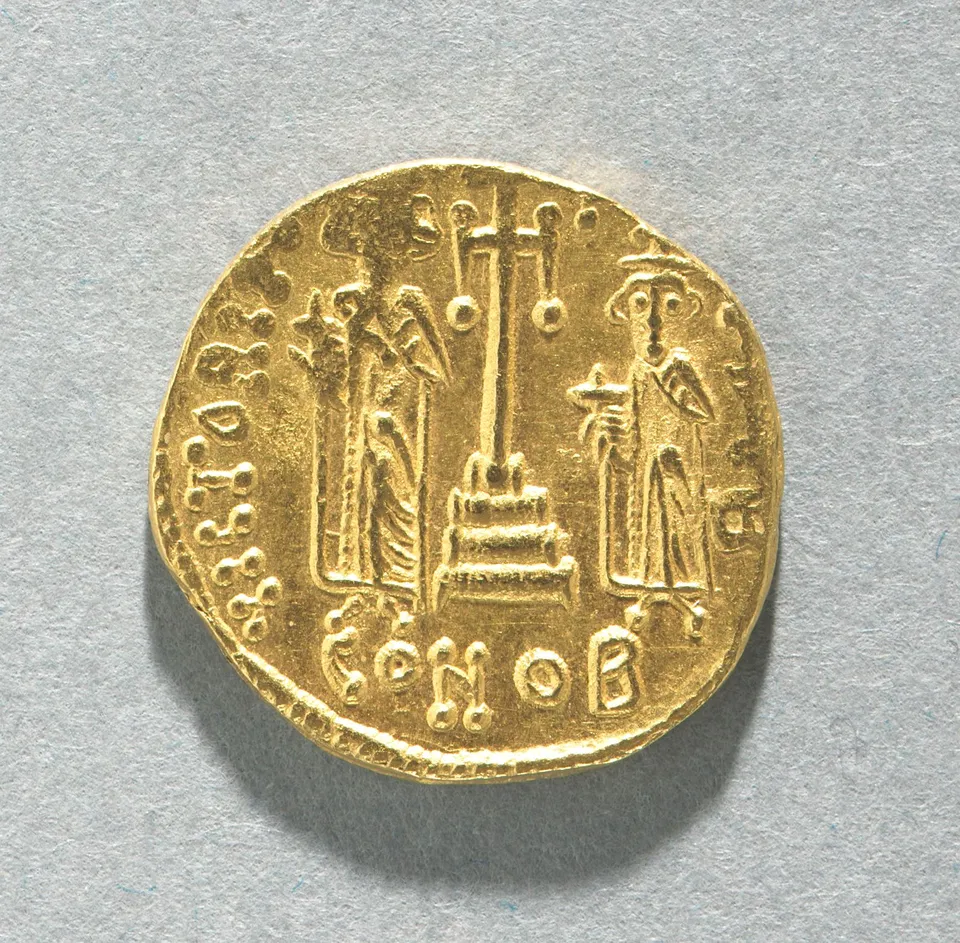
Look at the solidus: a gold coin. The larger bearded figure on the left is Constans II. The smaller figure is young Constantine IV. A cross stands between their crowns. Cleveland’s museum dates it to 659–661, before the campaign. The reverse shows a cross on three steps, between two figures.
Later, Constantine IV leads an army against the Bulgars. The coin shows his image, but cannot count his soldiers. No link to a payment to Asparuh is established. What do the chronicles say about the campaign?
- 1 · Constans II
- The larger bearded figure on the left is Constans II.
- 2 · The young Constantine IV
- The smaller figure on the right is the future leader of the campaign. The coin dates to 659–661, before that campaign.
- 3 · Cross between the crowns
- A small cross stands between the crowns of the two figures.
Sources · 3
- Cleveland Museum of Art Solidus with Busts of Constans II and Constantine IV (obverse)
- Cleveland Museum of Art Solidus of Constans II and Constantine IV with a Cross Potent on Three Steps (reverse)
- Nikephoros, Patriarch of Constantinople; ed. and tr. Cyril Mango Short History / Nicephori Patriarchae Constantinopolitani breviarium historicum
Part 4 · First Tsardom
The rumour of flight
The chroniclers say the campaign answers Bulgar raids on imperial lands. We usually date it to 680. The emperor brings troops and ships. The Bulgars shelter behind defences. Marshes hinder attack. Theophanes gives three or four waiting days; Nikephoros four.
Both say Constantine leaves for Mesembria with gout, a painful joint disease. He leaves orders. A rumour spreads: the emperor is fleeing. His army retreats. The Bulgars pursue, cross the Danube and settle towards Varna near Odessos and inland. They subject local Slavic communities and post frontier guards.
Sources · 3
- Theophanes the Confessor; ed. Carl de Boor; tr. Cyril Mango and Roger Scott, with Geoffrey Greatrex Chronographia, AM 6171
- Nikephoros, Patriarch of Constantinople; ed. and tr. Cyril Mango Short History / Nicephori Patriarchae Constantinopolitani breviarium historicum
- Юлиян Тодоровски Българо–византийският мирен договор от 681 г. в историографската традиция PDF
Part 5 · First Tsardom
Activity: what does the coin establish?
What can we learn directly from this coin and its museum description?
Why is that?
The museum identifies the figures and dates the coin. It does not connect it to a particular treaty payment.
Correct · How the young Constantine IV is depicted
- Cleveland Museum of Art Solidus with Busts of Constans II and Constantine IV (obverse)
- Theophanes the Confessor; ed. Carl de Boor; tr. Cyril Mango and Roger Scott, with Geoffrey Greatrex Chronographia, AM 6171
Sources · 2
- Cleveland Museum of Art Solidus with Busts of Constans II and Constantine IV (obverse)
- Theophanes the Confessor; ed. Carl de Boor; tr. Cyril Mango and Roger Scott, with Geoffrey Greatrex Chronographia, AM 6171
Part 6 · First Tsardom
Peace for a yearly payment
After settlement, Theophanes reports Bulgar raids on imperial villages and forts. He says the emperor must make peace and pay yearly. Why 681?
On 9 August 681, the priest Constantine of Apamea mentions defeat against Bulgaria. He addresses a church council, a meeting of clergy. His “this year” is disputed. A September year spans 1 September 680 to 31 August 681. His words alone cannot settle the treaty’s year.
We use the usual date, 681, to mark Danubian Bulgaria’s establishment. The peace’s exact day remains unknown.
- Constantinople · Approximate location
Sources · 6
- Theophanes the Confessor; ed. Carl de Boor; tr. Cyril Mango and Roger Scott, with Geoffrey Greatrex Chronographia, AM 6171
- Nikephoros, Patriarch of Constantinople; ed. and tr. Cyril Mango Short History / Nicephori Patriarchae Constantinopolitani breviarium historicum
- Юлиян Тодоровски Българо–византийският мирен договор от 681 г. в историографската традиция PDF
- Third Council of Constantinople; ed. Giovanni Domenico Mansi; Bulgarian translation Ivan Dujčev Actio XVI: statement of Constantine, presbyter of Apamea
- Wikimedia geographical database contributors Constantinople
- Unidentified manuscript copyist; texts attributed to Georgius Syncellus and Theophanes; digitisation: Bibliothèque nationale de France File:Supplément grec 327 - btv1b110047233 (0393 of 1105).jpg
Part 7 · First Tsardom
Activity: put the account in order
Order these actions as the chroniclers tell them, without relying on disputed calendar dates.
Why is that?
Both authors give this sequence. Disagreement about the treaty year does not change the order of these actions in their accounts.
Correct order
- Imperial troops arrive at the defences
- The emperor leaves for treatment
- Rumour triggers the army’s retreat
- Bulgars cross the Danube after pursuit
- Theophanes the Confessor; ed. Carl de Boor; tr. Cyril Mango and Roger Scott, with Geoffrey Greatrex Chronographia, AM 6171
- Nikephoros, Patriarch of Constantinople; ed. and tr. Cyril Mango Short History / Nicephori Patriarchae Constantinopolitani breviarium historicum
Sources · 2
- Theophanes the Confessor; ed. Carl de Boor; tr. Cyril Mango and Roger Scott, with Geoffrey Greatrex Chronographia, AM 6171
- Nikephoros, Patriarch of Constantinople; ed. and tr. Cyril Mango Short History / Nicephori Patriarchae Constantinopolitani breviarium historicum
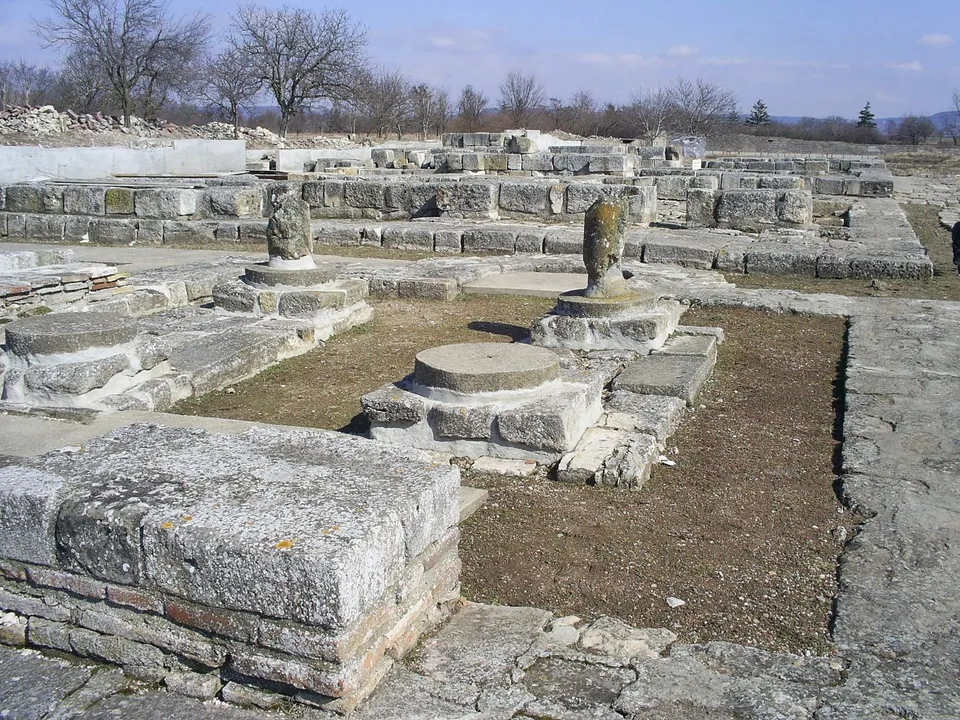
Part 8 · First Tsardom
A burial beneath a mound
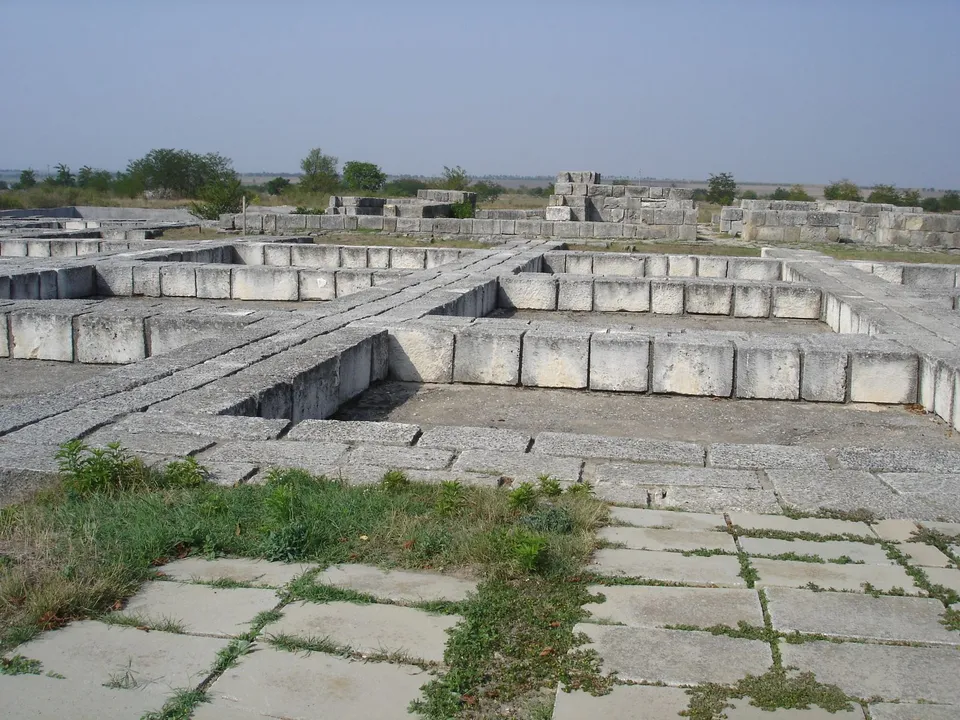
Pliska’s stone foundations stand before us today. Archaeology investigates when buildings were made and objects deposited. These foundations cannot establish Asparuh’s camp.
Nearby Kabayuk has a rich burial beneath a barrow, a mound of earth. One proposed date places the burial in the very late seventh or very early eighth century. The barrow is dated to the early ninth century. Another proposal dates the whole complex no earlier than the ninth century’s beginning. This dispute changes its connection with Asparuh. Stones and objects both need careful dating.
- Pliska · Approximate location
Sources · 5
- Павел Георгиев / Pavel Georgiev Могилният комплекс при Кабаюк и началото на Плиска / Barrow Assemblage at Kabayuk and the Foundation of Pliska
- Юлиян Тодоровски Българо–византийският мирен договор от 681 г. в историографската традиция PDF
- Wikimedia geographical database contributors National Historical and Archaeological Reserve “Pliska”
- Svilen Enev File:Ruins in Pliska Palace 9.JPG
- Svilen Enev File:Pliska-svik.jpg
Part 9 · First Tsardom
Activity: match the evidence
Match each piece of evidence to its description in the story.
Why is that?
The chronicle narrates events. The statement comes from a session in 681. The coin bears images and predates the campaign.
- Theophanes the Confessor; ed. Carl de Boor; tr. Cyril Mango and Roger Scott, with Geoffrey Greatrex Chronographia, AM 6171
- Third Council of Constantinople; ed. Giovanni Domenico Mansi; Bulgarian translation Ivan Dujčev Actio XVI: statement of Constantine, presbyter of Apamea
- Cleveland Museum of Art Solidus with Busts of Constans II and Constantine IV (obverse)
Sources · 3
- Theophanes the Confessor; ed. Carl de Boor; tr. Cyril Mango and Roger Scott, with Geoffrey Greatrex Chronographia, AM 6171
- Third Council of Constantinople; ed. Giovanni Domenico Mansi; Bulgarian translation Ivan Dujčev Actio XVI: statement of Constantine, presbyter of Apamea
- Cleveland Museum of Art Solidus with Busts of Constans II and Constantine IV (obverse)
A new find for your collection
681 is an accepted marker for the establishment of Danube Bulgaria, rather than a known birthday. We compare narratives, contemporary testimony and archaeology.
People in this story
Sources
- Cleveland Museum of Art Solidus with Busts of Constans II and Constantine IV (obverse)
- Cleveland Museum of Art Solidus of Constans II and Constantine IV with a Cross Potent on Three Steps (reverse)
- Wikimedia geographical database contributors Constantinople
- Wikimedia geographical database contributors Danube Delta
- Wikimedia geographical database contributors National Historical and Archaeological Reserve “Pliska”
- Third Council of Constantinople; ed. Giovanni Domenico Mansi; Bulgarian translation Ivan Dujčev Actio XVI: statement of Constantine, presbyter of Apamea
- Павел Георгиев / Pavel Georgiev Могилният комплекс при Кабаюк и началото на Плиска / Barrow Assemblage at Kabayuk and the Foundation of Pliska
- Alexandru Madgearu Recent Discussions about “Onglos” PDF
- Kirił Marinow Asparuh and His People on the Lower Danube through the Eyes of Theophanes, or a Story that Was Not Meant to Happen PDF
- Nikephoros, Patriarch of Constantinople; ed. and tr. Cyril Mango Short History / Nicephori Patriarchae Constantinopolitani breviarium historicum
- michael clarke stuff File:Danube delta, Tulcea 03 (2478633804).jpg
- michael clarke stuff File:Danube delta, Tulcea 05 (2477824433).jpg
- Unidentified manuscript copyist; texts attributed to Georgius Syncellus and Theophanes; digitisation: Bibliothèque nationale de France File:Supplément grec 327 - btv1b110047233 (0393 of 1105).jpg
- Svilen Enev File:Ruins in Pliska Palace 9.JPG
- Svilen Enev File:Pliska-svik.jpg
- TriviaKing (English Wikipedia) File:Danube Delta Reeds.JPG
- Theophanes the Confessor; ed. Carl de Boor; tr. Cyril Mango and Roger Scott, with Geoffrey Greatrex Chronographia, AM 6171
- Юлиян Тодоровски Българо–византийският мирен договор от 681 г. в историографската традиция PDF
- Jesse W. Torgerson and Mike Humphreys Chronicles, Histories, and Letters PDF
Images
Cleveland Museum of Art · CC0 · Wikimedia Commons
Gold coin. Constans II is on the left, the smaller Constantine IV on the right. It predates the campaign; no link to the treaty payment is established.
Full attribution
Cleveland Museum of Art (photograph); Byzantine mint (object maker not individually recorded); Wikimedia Commons; CC0. Gold coin. Constans II is on the left, the smaller Constantine IV on the right. It predates the campaign; no link to the treaty payment is established. Cut-out detail; background removed.
Unknown scribe · Public domain · Wikimedia Commons
Two pages from a later copy of chronicles: BnF Supplément grec 327. This is not a record of the council of 681. The passage has not been identified as an account of Asparuh.
Full attribution
Unidentified copyist; texts by Syncellus and Theophanes; digitisation: National Library of France; Wikimedia Commons; Public domain. Two pages from a later copy of chronicles: BnF Supplément grec 327. This is not a record of the council of 681. The passage has not been identified as an account of Asparuh. Processed image.
TriviaKing · CC BY-SA 3.0 · English Wikipedia / Wikimedia Commons
Modern landscape in the Danube Delta, Romania. It does not show a verified battlefield or seventh-century shorelines.
Full attribution
TriviaKing, English Wikipedia; Wikimedia Commons; CC BY-SA 3.0. Modern landscape in the Danube Delta, Romania. It does not show a verified battlefield or seventh-century shorelines. Processed image.
michael clarke stuff · CC BY-SA 2.0 · Wikimedia Commons
Modern photograph from the Tulcea delta area: a tree in water. Geographic context, not an identification of Onglos.
Full attribution
michael clarke stuff; Wikimedia Commons; CC BY-SA 2.0. Modern photograph from the Tulcea delta area: a tree in water. Geographic context, not an identification of Onglos. Processed image.
michael clarke stuff · CC BY-SA 2.0 · Wikimedia Commons
Trees beside water in today’s delta. Supplementary landscape; not a reconstruction of the campaign.
Full attribution
michael clarke stuff; Wikimedia Commons; CC BY-SA 2.0. Trees beside water in today’s delta. Supplementary landscape; not a reconstruction of the campaign. Processed image.
Cleveland Museum of Art · CC0 · Wikimedia Commons
Gold coin. Constans II is on the left, the smaller Constantine IV on the right. It predates the campaign; no link to the treaty payment is established.
Full attribution
Cleveland Museum of Art (photograph); Byzantine mint (object maker not individually recorded); Wikimedia Commons; CC0. Gold coin. Constans II is on the left, the smaller Constantine IV on the right. It predates the campaign; no link to the treaty payment is established. Processed image.
Cleveland Museum of Art · CC0 · Wikimedia Commons
Reverse of the solidus dated 659–661: a cross on three steps, between two figures.
Full attribution
Cleveland Museum of Art; Wikimedia Commons; CC0. Reverse of the solidus dated 659–661: a cross on three steps, between two figures. Processed image.
Svilen Enev · CC BY-SA 3.0 · Wikimedia Commons
The archaeological site at Pliska today. The visible foundations do not establish buildings of Asparuh in 681.
Full attribution
Svilen Enev; Wikimedia Commons; CC BY-SA 3.0. The archaeological site at Pliska today. The visible foundations do not establish buildings of Asparuh in 681. Processed image.
Svilen Enev · CC BY-SA 3.0 · Wikimedia Commons
Modern view of remains at Pliska. The photograph’s date is not a foundation date; the stone complex is not presented as a camp of 681.
Full attribution
Svilen Enev; Wikimedia Commons; CC BY-SA 3.0. Modern view of remains at Pliska. The photograph’s date is not a foundation date; the stone complex is not presented as a camp of 681. Processed image.
Geographic context, without historical borders
Tom Patterson · Nathaniel Vaughn Kelso · Public domain · Natural Earth
Full attribution
Tom Patterson · Nathaniel Vaughn Kelso