 History of Bulgaria
Vassia Atanassova - Spiritia · CC BY-SA 3.0 · Wikimedia Commons
Full attribution
Vassia Atanassova - Spiritia. Wikimedia Commons, CC BY-SA 3.0. Unmodified. Cut-out detail; background removed.
Bulgarian Exarchate · Revival
Why does Ilarion leave out a name?
One name is missing. What does it mean?
In 1860 Ilarion Makariopolski omits the patriarch’s name in an Easter prayer. Ten years later a sultan’s decree establishes the Bulgarian Exarchate. What changes, and what remains contested?
Part 1 · Revival
The name left out
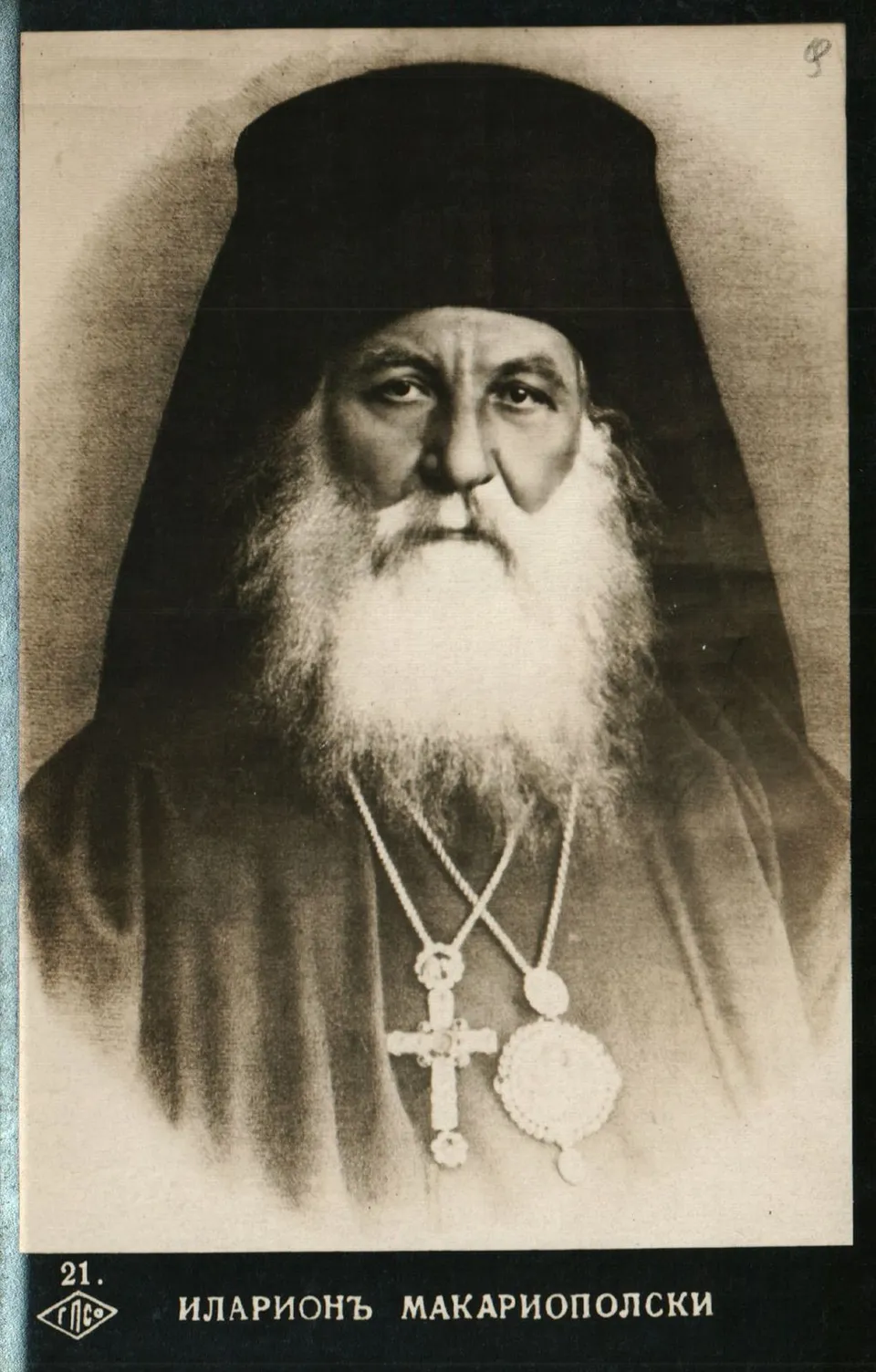
Easter, 1860. Bishop Ilarion Makariopolski leads worship in wooden St Stephen’s in Constantinople, today’s Istanbul. A bishop is a senior clergyman. In the prayer he leaves out Patriarch Cyril VII’s name. The patriarch is the senior church leader whose authority the congregation comes under.
In the church account, naming the patriarch means accepting his authority. We can read the gesture as a public demand for church self-government. But one service does not create an independent church recognized by everyone.
Sources · 2
- Българска патриаршия; индивидуален автор не указан на прочетената страница Българският Великден в нова светлина по повод 150 години от събитията
- Регионален исторически музей – София 150 години от учредяването на Българската екзархия


Part 2 · Revival
Bulgarians want their own church leaders
The map shows the Bulgarian church and the patriarch’s headquarters in the Fener neighbourhood. The Patriarchate is the church institution led by the patriarch. The two points are close together in the Ottoman capital. But the dispute concerns communities far beyond Constantinople.
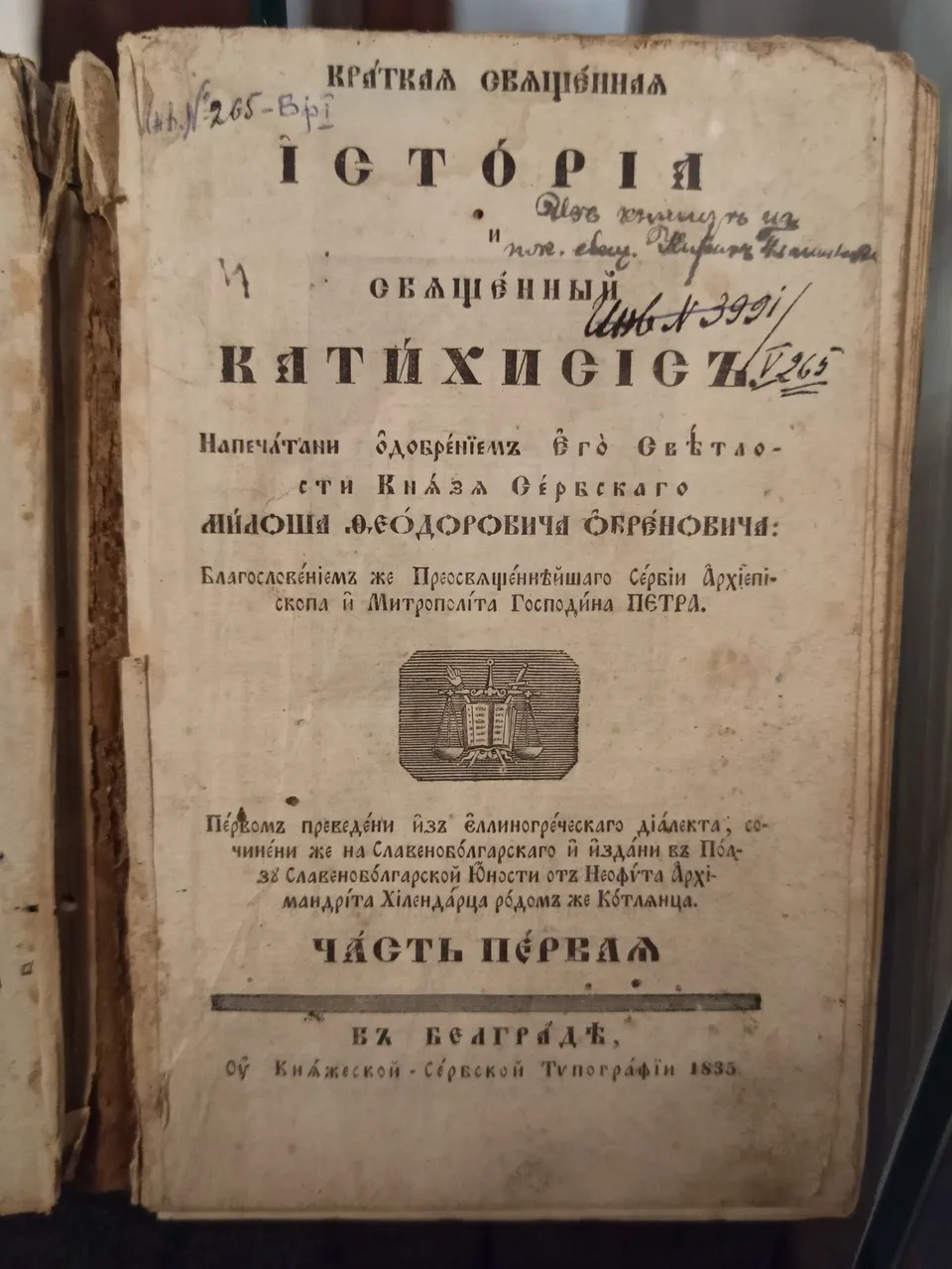
During the nineteenth century Bulgarian campaigners demand Bulgarian in schools and Church Slavonic in worship. This is the old Slavonic language used in church services. They also want their own church administration.
- St Stephen’s — site of the earlier wooden church · Approximate location
- Headquarters of the Patriarchate of Constantinople, Fener neighbourhood · Approximate location
Sources · 3
- Demetrios Stamatopoulos The Splitting of the Orthodox Millet as a Secularizing Process: The Clerical-Lay Assembly of the Bulgarian Exarchate (Istanbul 1871) PDF
- Благовеста Иванова Дървената църква „Св. Стефан“ в Цариград — архитектурна реконструкция по вербални източници PDF
- Spiritia File:Neofit Bozveli Istoria Katehizis 1835.jpg
Part 3 · Revival
What does the sheet decree?
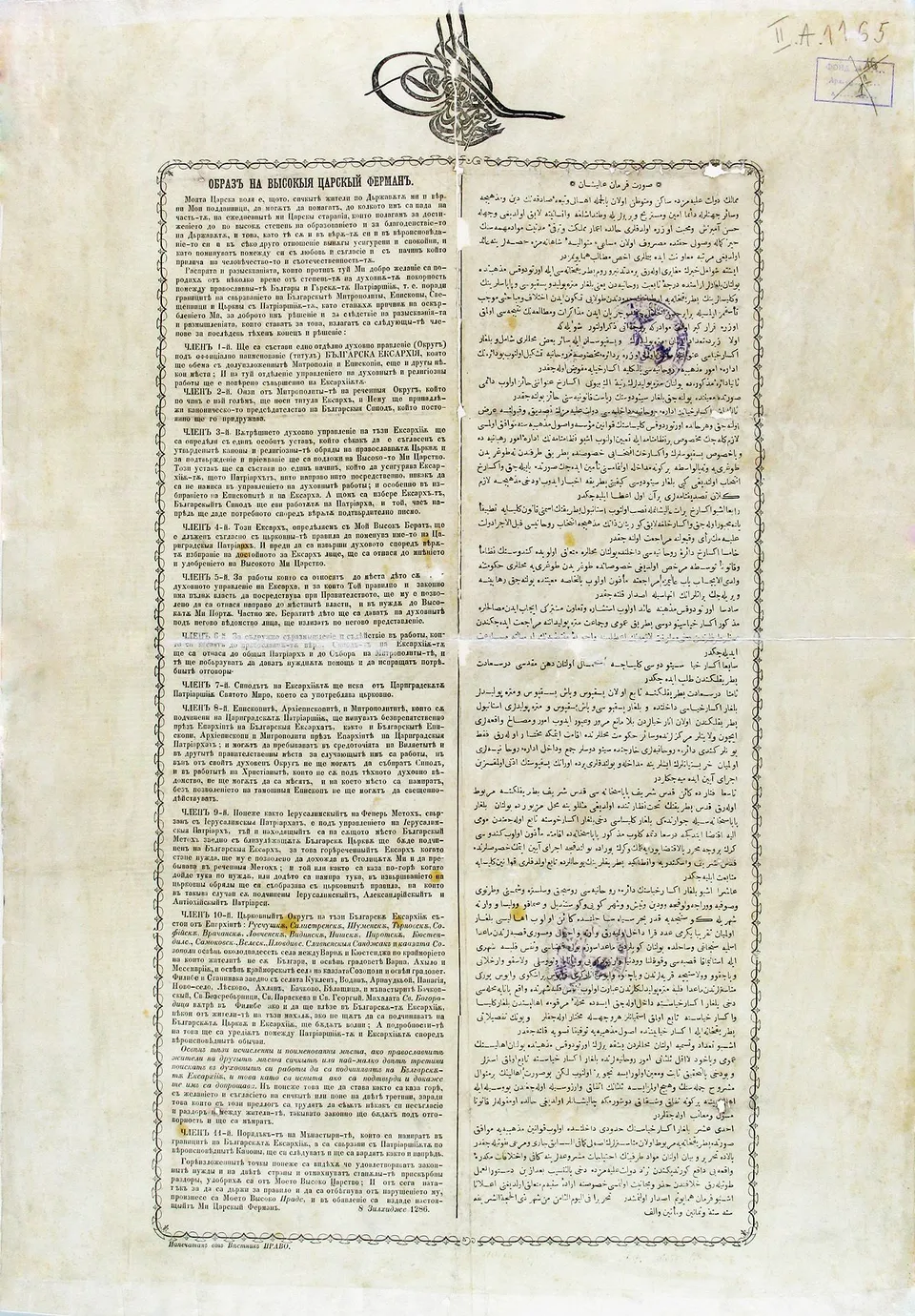
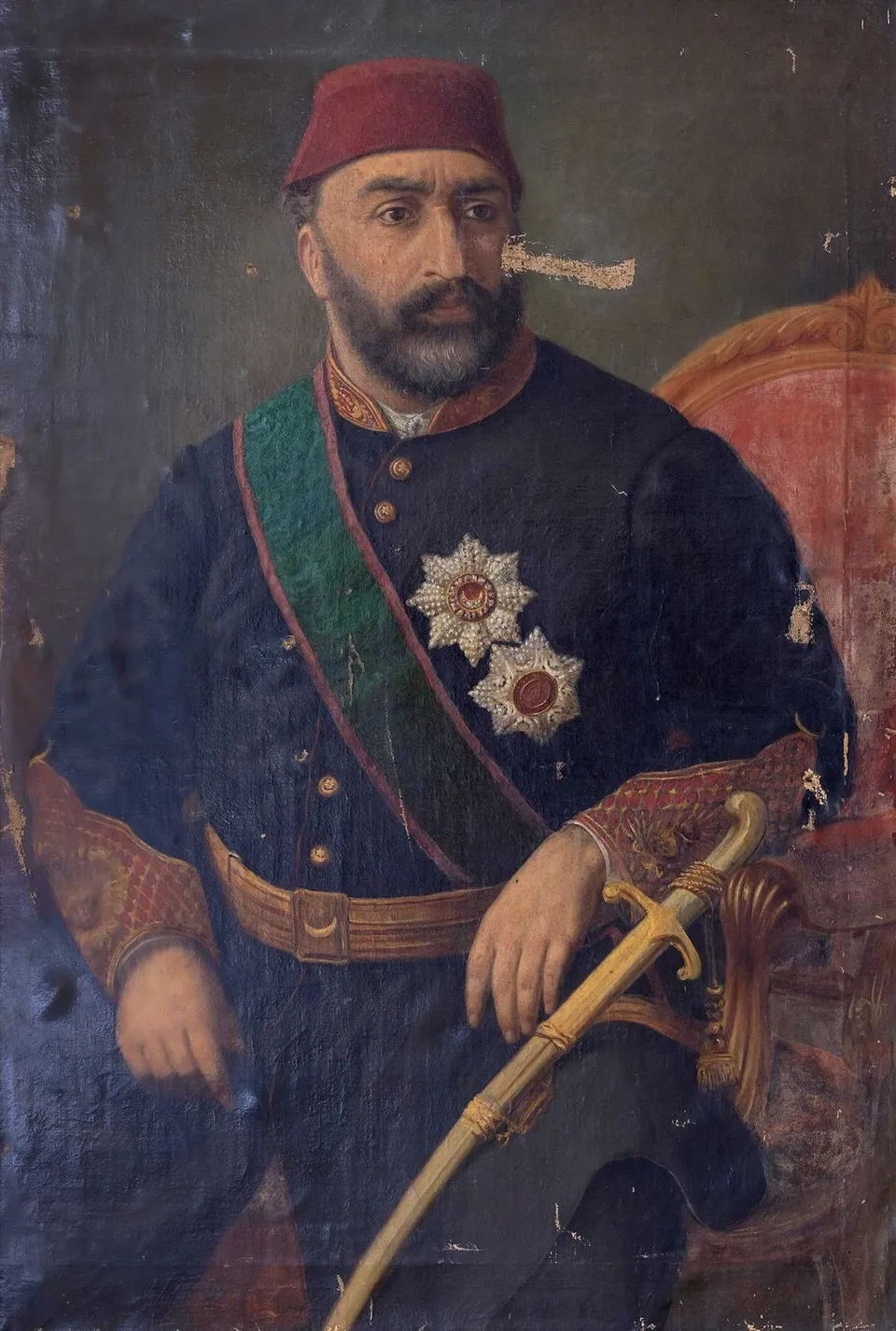
In 1870 Sultan Abdülaziz issues a firman for the Bulgarian Exarchate. A firman is a sultan’s decree. The Exarchate is a separate church organization. Its leader, the exarch, is a senior clergyman. He chairs a synod, a council of senior clergy.
Look at the printed document: Bulgarian on the left, Arabic script on the right. Article 1 grants separate administration. Article 4 again requires naming the patriarch. The Exarchate governs separately but keeps ties with the Patriarchate.
- 1 · Separate administration
- Article 1 names the Bulgarian Exarchate and entrusts its ecclesiastical administration to it.
- 2 · The patriarch stays in the prayer
- Article 4 requires the exarch to commemorate the patriarch of Constantinople.
- 3 · Rules for dioceses
- Article 10 lists districts and exceptions. Further down is the condition concerning all or at least two-thirds of the Orthodox residents described in the scene.
Sources · 3
- Абдул Азис / османска султанска канцелария; български превод, преводач не указан Образ на високия царский ферман PDF
- Държавна агенция за българите в чужбина 150 години от учредяването на Българската екзархия
- Ottoman imperial chancery / Sultan Abdülaziz (issuer); printer and digitizer unknown File:Sultan’s Ferman for the establishment of a Bulgarian Exarchate 1.jpg
Part 4 · Revival
Which communities can join?
The firman regulates church districts, called dioceses. Article 10 lists them and names exceptions. Orthodox Christians follow the Eastern church tradition. Other places may join if all or at least two-thirds of their Orthodox residents wish. That wish must be verified.
The condition does not concern every resident regardless of religion. A church district is not a new state’s boundary.
Sources · 4
- Абдул Азис / османска султанска канцелария; български превод, преводач не указан Образ на високия царский ферман PDF
- Регионален исторически музей – София 150 години от учредяването на Българската екзархия
- Държавна агенция за българите в чужбина 150 години от учредяването на Българската екзархия
- Министерство на културата на Република България Цялостната реставрация на желязната ни църква „Свети Стефан“ край Златния рог ще завърши в средата на 2017 г.
Part 5 · Revival
Activity: what does the omission mean?
What does the omission show according to the church account?
Why is that?
According to this account, the omission shows rejection of the patriarch’s authority.
Correct · Rejection of his church authority.
- Българска патриаршия; индивидуален автор не указан на прочетената страница Българският Великден в нова светлина по повод 150 години от събитията
- Благовеста Иванова Дървената църква „Св. Стефан“ в Цариград — архитектурна реконструкция по вербални източници PDF
Sources · 2
- Българска патриаршия; индивидуален автор не указан на прочетената страница Българският Великден в нова светлина по повод 150 години от събитията
- Благовеста Иванова Дървената църква „Св. Стефан“ в Цариград — архитектурна реконструкция по вербални източници PDF
Part 6 · Revival
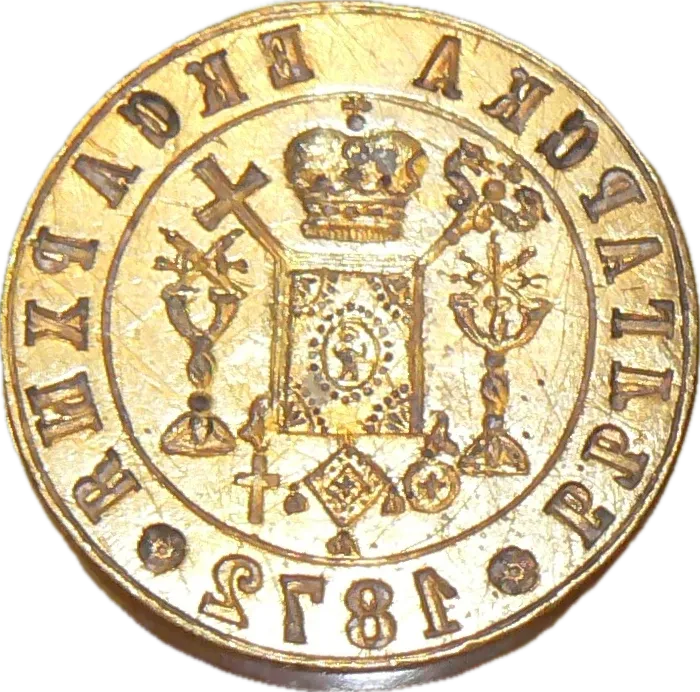
A seal for the new administration
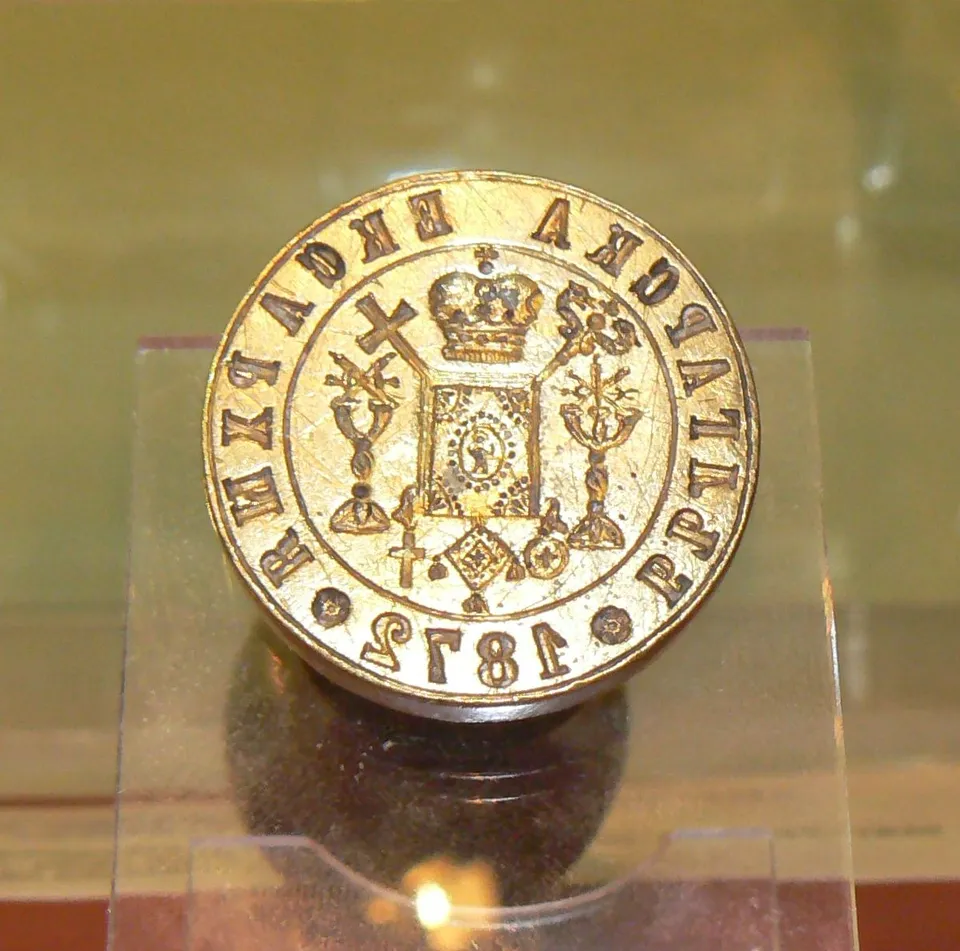
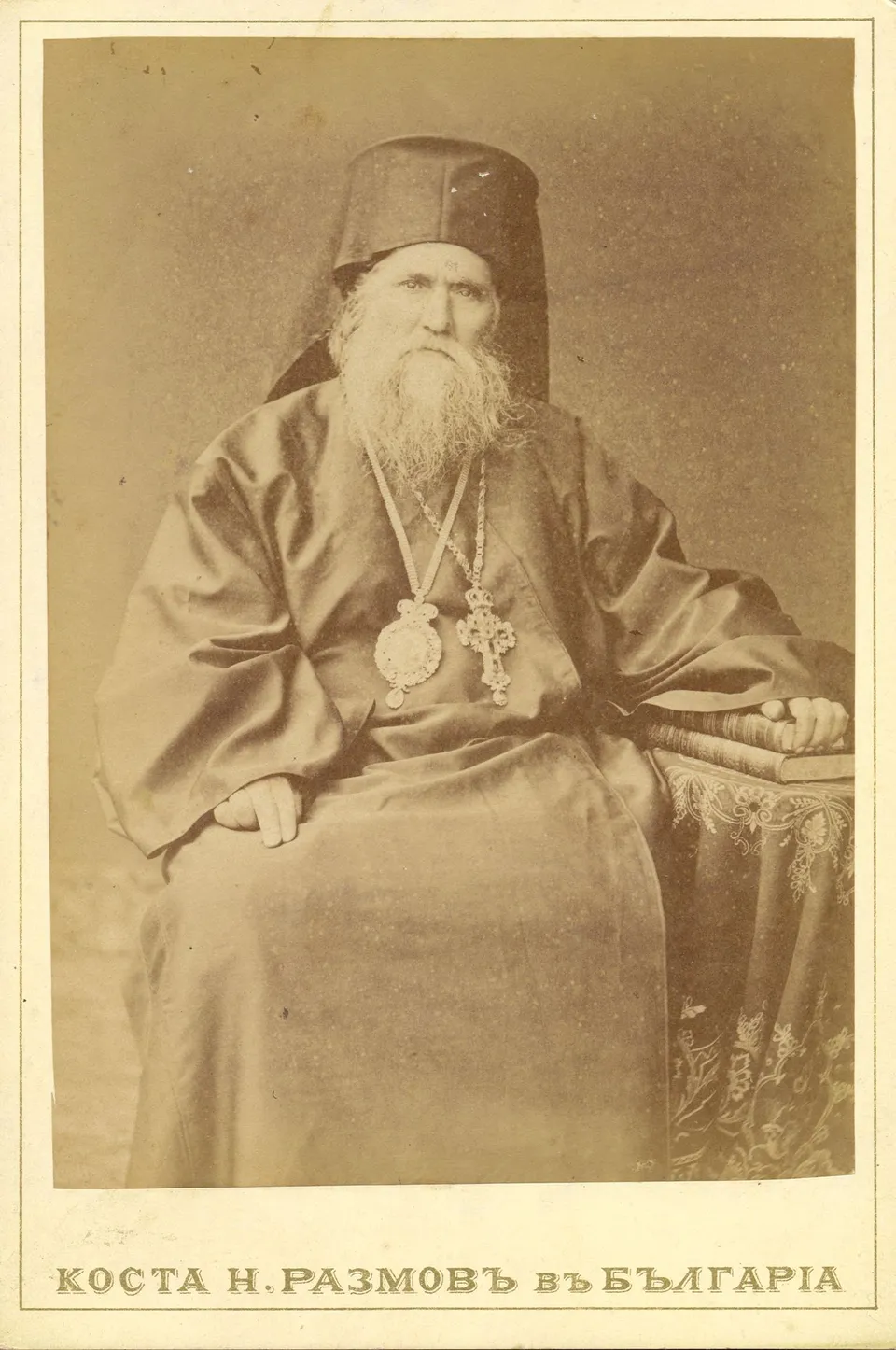
The new administration needs rules. In 1871 a clerical-lay assembly meets in Constantinople. It gathers clergy and lay people: church members who are not clergy. They discuss the statute, the rules for governing the Exarchate. Antim I is elected exarch in 1872.
The photograph shows what its photographer identifies as an Exarchate seal from 1872. The letters and year on the seal are reversed. They read normally on its impression.
- 1 · Reversed year
- The year on the seal face is mirrored. The photographer identifies the object as a seal of 1872.
- 2 · A name around the edge
- The edge inscription names the Bulgarian Exarchate in mirrored letters.
- 3 · Museum support
- A transparent support is visible under the object. This is a museum display photograph, not a view of the seal being used in the nineteenth century.
Sources · 3
- Регионален исторически музей – София 150 години от свикването на Първия български църковно-народен събор
- Регионален исторически музей – София 150 години от учредяването на Българската екзархия
- Vassia Atanassova - Spiritia File:NHMB-Seal-of-Bulgarian-Exarchate-1872.jpg
Part 7 · Revival
Activity: order the steps
Which happens first? Put the earliest first.
Why is that?
The story gives 1860, 1870, 1871 and 1872. The decree precedes the assembly, which precedes Antim I’s election.
Correct order
- The Easter action
- Firman for the Exarchate
- Clerical-lay assembly
- Election of Antim I
- Българска патриаршия; индивидуален автор не указан на прочетената страница Българският Великден в нова светлина по повод 150 години от събитията
- Абдул Азис / османска султанска канцелария; български превод, преводач не указан Образ на високия царский ферман PDF
- Регионален исторически музей – София 150 години от свикването на Първия български църковно-народен събор
- Регионален исторически музей – София 150 години от учредяването на Българската екзархия
Sources · 4
- Българска патриаршия; индивидуален автор не указан на прочетената страница Българският Великден в нова светлина по повод 150 години от събитията
- Абдул Азис / османска султанска канцелария; български превод, преводач не указан Образ на високия царский ферман PDF
- Регионален исторически музей – София 150 години от свикването на Първия български църковно-народен събор
- Регионален исторически музей – София 150 години от учредяването на Българската екзархия
Part 8 · Revival
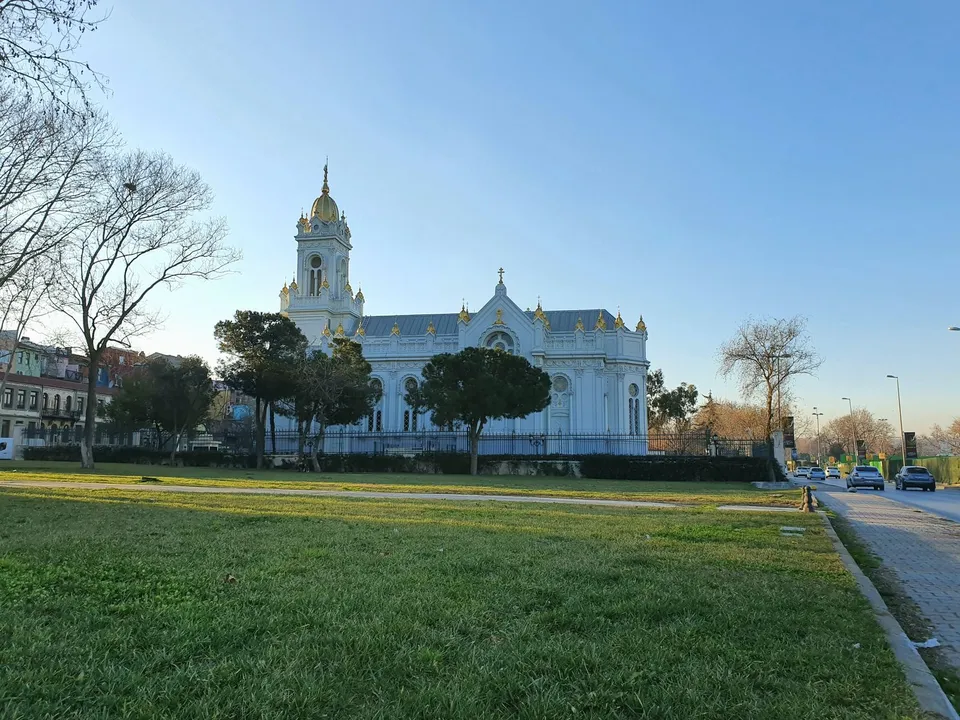
The two churches worship together again
Bulgarian campaigners want their own church administration. The Patriarchate presents church unity as grounds for its position. We can read this as a dispute over authority and church order. Supporters on both sides hold differing views.
Ottoman recognition does not end the dispute. In 1872 a council in Constantinople declares the Exarchate schismatic. A schism is a church division. It breaks shared worship between the separated sides. In 1945 the Patriarchate of Constantinople ends the division and recognizes the Bulgarian Church’s independence.
Sources · 3
- Demetrios Stamatopoulos The Splitting of the Orthodox Millet as a Secularizing Process: The Clerical-Lay Assembly of the Bulgarian Exarchate (Istanbul 1871) PDF
- Вселенски патриарх Вартоломей; български превод, Българска патриаршия Послание на Вселенския патриарх Вартоломей по повод 70 години от вдигането на схизмата над БПЦ
- Благовеста Иванова Дървената църква „Св. Стефан“ в Цариград — архитектурна реконструкция по вербални източници PDF
Part 9 · Revival
Activity: the document’s words
Match each word to its meaning in the story.
Why is that?
The decree sets rules. The exarch is a person holding a leading office. A diocese is a district. A lay person belongs to the church but is not clergy.
- Абдул Азис / османска султанска канцелария; български превод, преводач не указан Образ на високия царский ферман PDF
- Регионален исторически музей – София 150 години от свикването на Първия български църковно-народен събор
- Държавна агенция за българите в чужбина 150 години от учредяването на Българската екзархия
Sources · 3
- Абдул Азис / османска султанска канцелария; български превод, преводач не указан Образ на високия царский ферман PDF
- Регионален исторически музей – София 150 години от свикването на Първия български църковно-народен събор
- Държавна агенция за българите в чужбина 150 години от учредяването на Българската екзархия
A new find for your collection
Public rejection of authority, an imperial decree and church recognition are different steps.
People in this story
Sources
- Държавна агенция за българите в чужбина 150 години от учредяването на Българската екзархия
- Регионален исторически музей – София 150 години от свикването на Първия български църковно-народен събор
- Вселенски патриарх Вартоломей; български превод, Българска патриаршия Послание на Вселенския патриарх Вартоломей по повод 70 години от вдигането на схизмата над БПЦ
- Българска патриаршия; индивидуален автор не указан на прочетената страница Българският Великден в нова светлина по повод 150 години от събитията
- Абдул Азис / османска султанска канцелария; български превод, преводач не указан Образ на високия царский ферман PDF
- Spiritia File:Neofit Bozveli Istoria Katehizis 1835.jpg
- Ottoman imperial chancery / Sultan Abdülaziz (issuer); printer and digitizer unknown File:Sultan’s Ferman for the establishment of a Bulgarian Exarchate 1.jpg
- Vassia Atanassova - Spiritia File:NHMB-Seal-of-Bulgarian-Exarchate-1872.jpg
- Благовеста Иванова Дървената църква „Св. Стефан“ в Цариград — архитектурна реконструкция по вербални източници PDF
- Министерство на културата на Република България Цялостната реставрация на желязната ни църква „Свети Стефан“ край Златния рог ще завърши в средата на 2017 г.
- Регионален исторически музей – София 150 години от учредяването на Българската екзархия
- Demetrios Stamatopoulos The Splitting of the Orthodox Millet as a Secularizing Process: The Clerical-Lay Assembly of the Bulgarian Exarchate (Istanbul 1871) PDF
Images
Vassia Atanassova - Spiritia · CC BY-SA 3.0 · Wikimedia Commons
Full attribution
Vassia Atanassova - Spiritia. Wikimedia Commons, CC BY-SA 3.0. Unmodified. Cut-out detail; background removed.
Grigor Paskov · CC BY-SA 4.0 · Bulgarian Archives State Agency / Wikimedia Commons
Full attribution
Grigor Paskov — author according to Wikimedia Commons. Provided by the Bulgarian Archives State Agency: fonds 546K, inventory 1, archival unit 108, sheet 9. Wikimedia Commons, CC BY-SA 4.0. Unmodified. Processed image.
Spiritia · CC BY-SA 4.0 · Wikimedia Commons
Full attribution
Spiritia. Wikimedia Commons, CC BY-SA 4.0. Unmodified. Processed image.
Unknown author · Public domain · Wikimedia Commons
Full attribution
Unknown artist. Wikimedia Commons, Public domain. Unmodified. Processed image.
Ottoman imperial chancery / Sultan Abdülaziz · Public domain · Wikimedia Commons
Full attribution
Ottoman imperial chancery / Sultan Abdülaziz, issuer; printer and digitizer unestablished. Wikimedia Commons, Public domain. Unmodified. Processed image.
Unknown painter · Public domain · Wikimedia Commons
Full attribution
Unknown painter. Collection: Ankara Resim ve Heykel Müzesi. Wikimedia Commons, Public domain. Unmodified. Processed image.
Vassia Atanassova - Spiritia · CC BY-SA 3.0 · Wikimedia Commons
Full attribution
Vassia Atanassova - Spiritia. Wikimedia Commons, CC BY-SA 3.0. Unmodified. Processed image.
Kosta Razmov · Public domain · Wikimedia Commons
Full attribution
Kosta Razmov. Wikimedia Commons, Public domain. Unmodified. Processed image.
Antoloji · CC BY-SA 4.0 · Wikimedia Commons
Full attribution
Antoloji. Wikimedia Commons, CC BY-SA 4.0. Unmodified. Processed image.
Geographic context, without historical borders
Tom Patterson · Nathaniel Vaughn Kelso · Public domain · Natural Earth
Full attribution
Tom Patterson · Nathaniel Vaughn Kelso