 History of Bulgaria
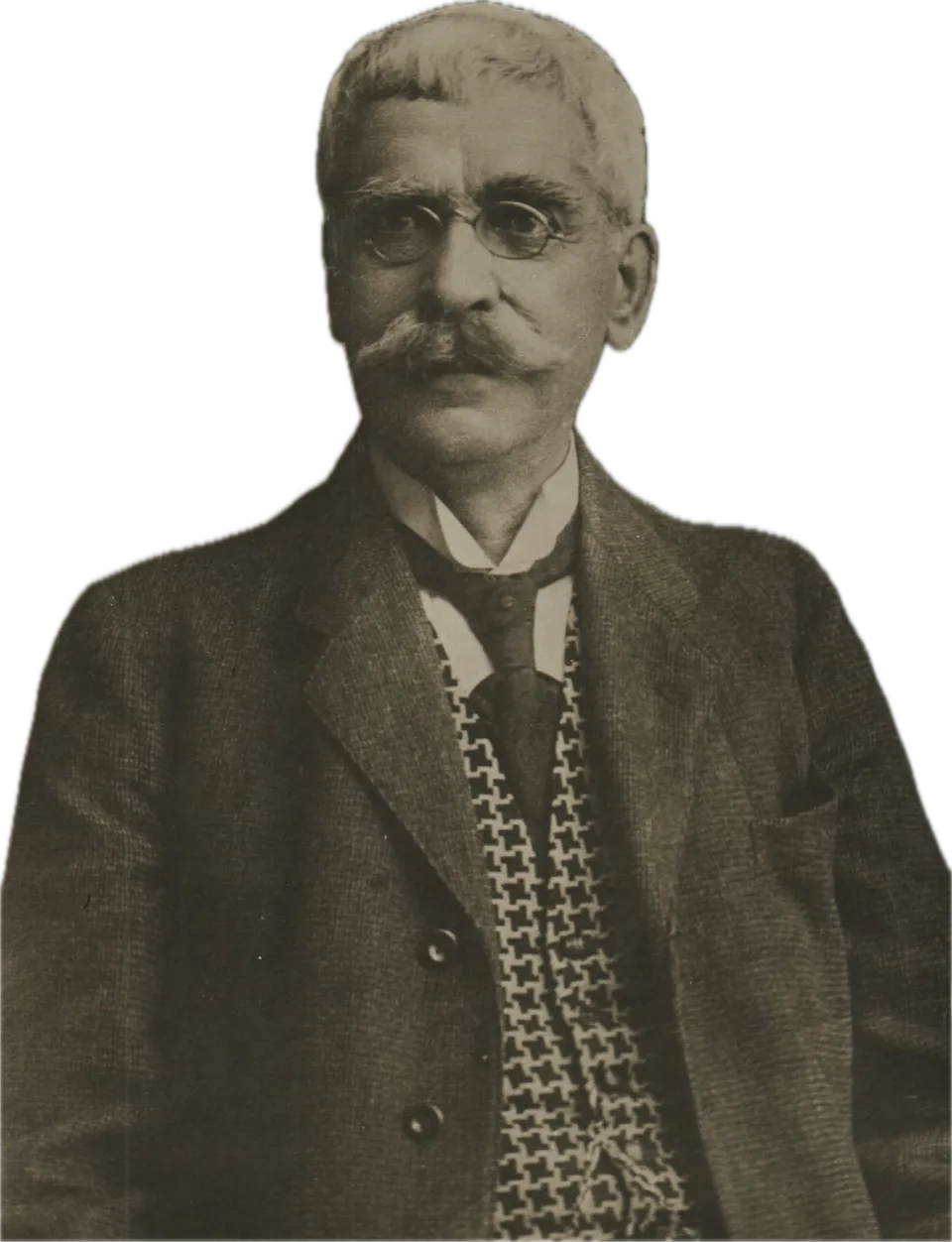
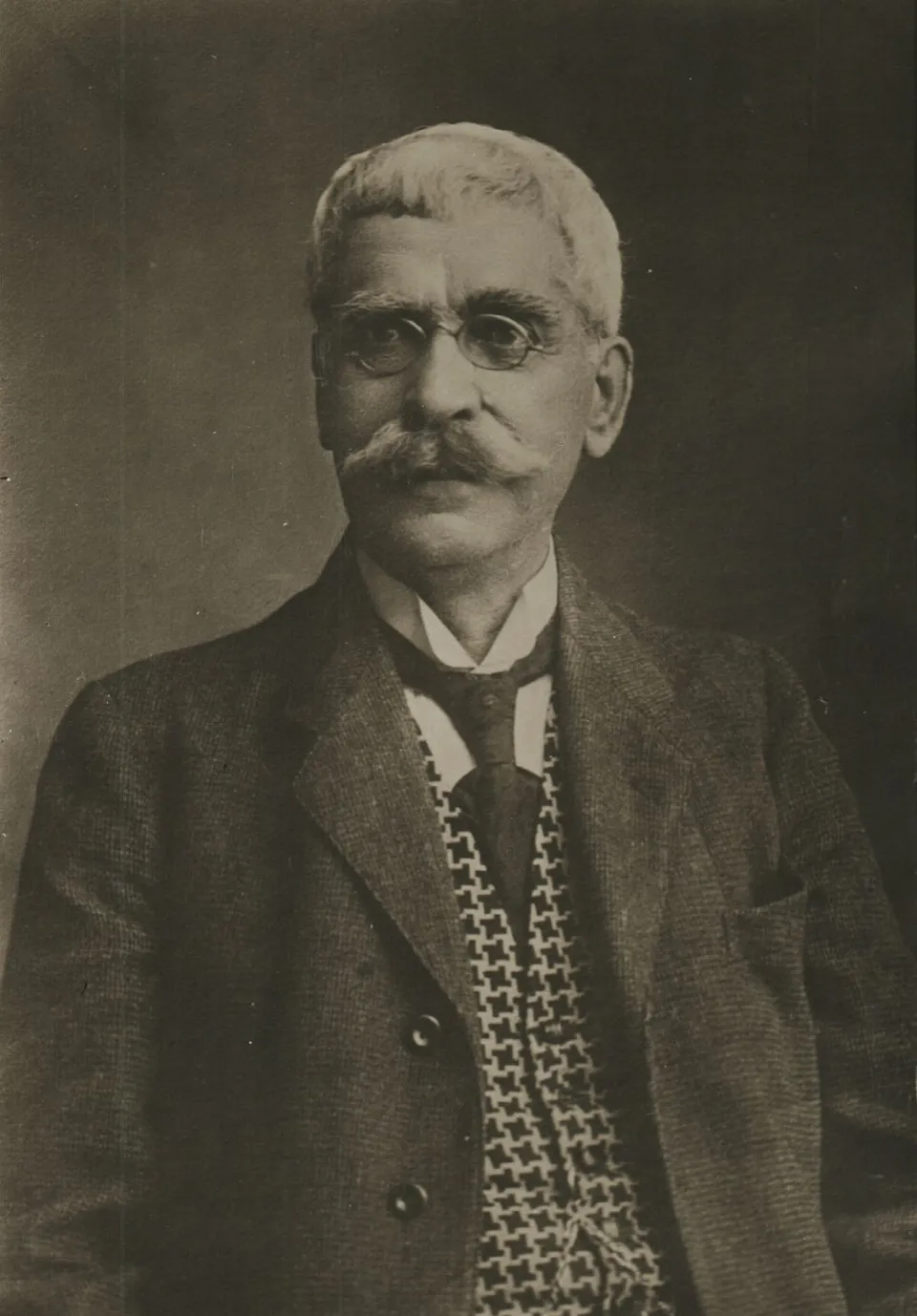
Archive
Unknown author · Public domain · Bulgarian Archives State Agency / Wikimedia Commons
Full attribution
Unknown author; Bulgarian Archives State Agency / Wikimedia Commons. BASA 937K-1-410-7. Public domain. Crop supplied by Commons; unchanged here. Cut-out detail; background removed. Archival photograph
Ivan Vazov · Revival
Why did Vazov write Under the Yoke far from home?
Why does Vazov begin Under the Yoke in Odesa?
Vazov begins Under the Yoke in Odesa. A family supper and a school examination introduce Byala Cherkva before the uprising. Later, the novel helps people reconstruct his birth house.
Part 1 · Revival
Vazov writes far from home
In Odesa, Ivan Vazov starts a novel about people back home. It is 1887. He is a political exile: he has left Bulgaria because people with his views face persecution. Vazov supports close relations with Russia. At home, those relations are the subject of a bitter political argument.
Years later, he recalls how much he missed Bulgaria. Writing brought Sopot’s courtyards and people back to his mind. This is how the author later described his inspiration. It is a recollection, recorded long after the work.
Sources · 1
Part 2 · Revival
Sopot, Odesa and London
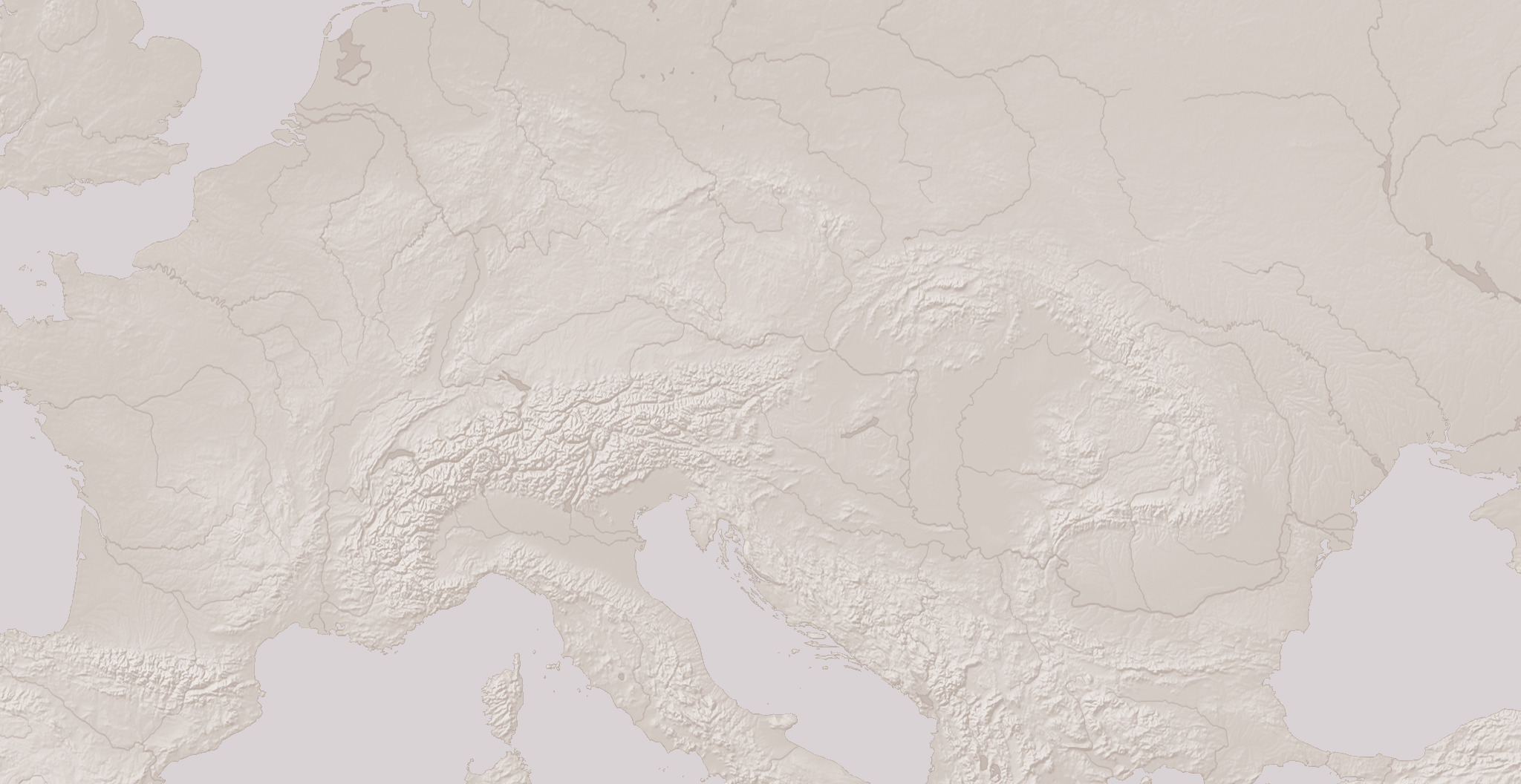
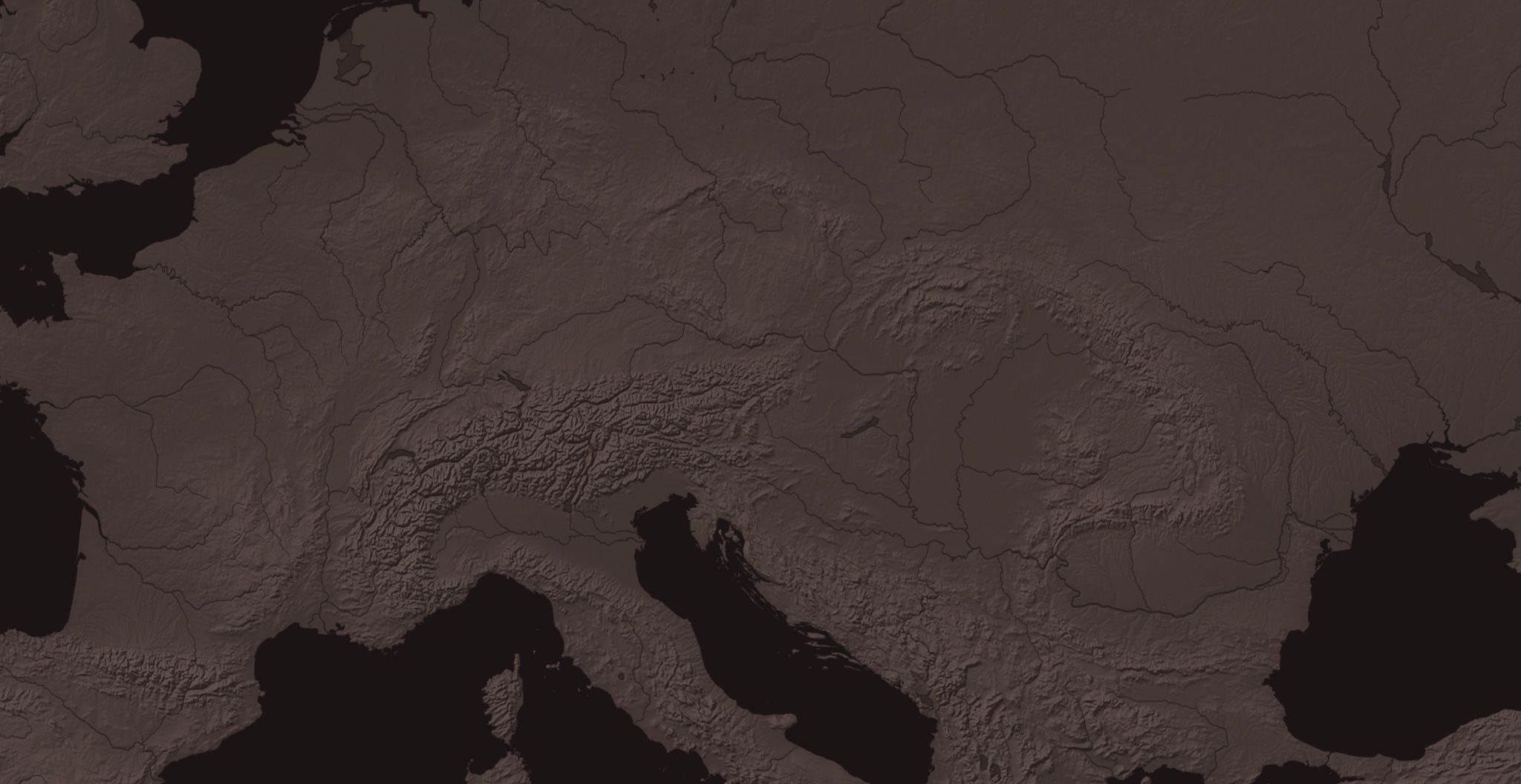
The map marks three cities. Sopot is Vazov’s hometown. Odesa is the city of exile where he begins the novel. London will be the city of the early English edition. These are approximate city markers, not addresses of rooms or printing houses.
Inside the book, the main town is called Byala Cherkva. Vazov draws on memories of Sopot. This is a fictional world, rather than an exact plan of the real town.
- Sopot · Approximate location
- Odesa (Odessa) · Approximate location
- London · Approximate location
Sources · 6
- Илия Тодоров Из биографията на романа „Под игото“ (По повод на неговата стогодишнина) PDF
- Владимир Трендафилов Английският Вазов: преводачът на „Под игото“ / Vazov Anglicized: Who Translated Under the Yoke? PDF
- Balázs Trencsényi and Michal Kopeček (eds.); entry signed BM (Boyan Manchev) Ivan Vazov: Under the yoke PDF
- Wikimedia geographical database contributors Sopot: geographical record
- Wikimedia geographical database contributors Odesa: geographical record
- Wikimedia geographical database contributors London: geographical record
Part 3 · Revival
Marko’s supper
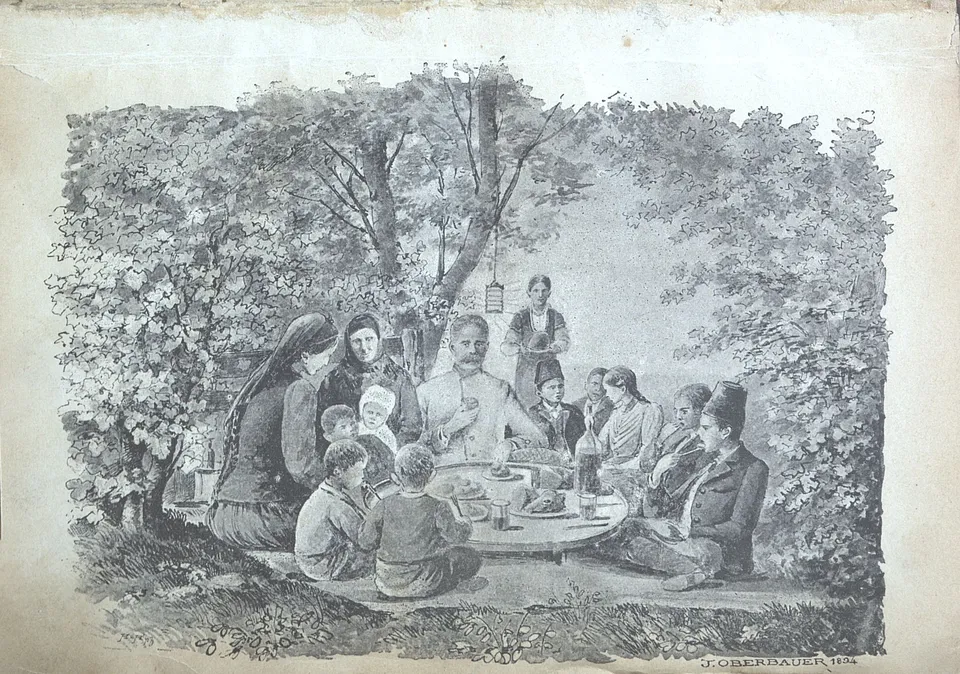
The novel opens with Marko’s family having supper in their courtyard. “Chorbaji” is an old title for a prosperous man. Joseph Oberbauer’s picture shows a group of people, a low table and a lantern. It is an illustration from 1894, not a photograph of an actual supper.
From this everyday setting, the novel leads towards preparations for the April Uprising. This was a revolt against Ottoman rule in 1876. The Ottoman Empire was the state ruling these lands at the time. The historical uprising was suppressed.
- 1 · Lantern
- A lantern is drawn above the table. It is part of the illustration, not an object preserved from the supper.
- 2 · Low table
- The table brings the family together. The novel opens with Marko’s courtyard supper.
- 3 · Signature and year
- At bottom right are Oberbauer’s signature and the year 1894. The artist depicts a scene from a novel.
Sources · 3
- Иван Вазов; digital text entered by Plovdiv University team, hosted by Моята библиотека Под игото
- Йозеф Обербауер File:Чорбаджи Марко.jpg
- Balázs Trencsényi and Michal Kopeček (eds.); entry signed BM (Boyan Manchev) Ivan Vazov: Under the yoke PDF
Part 4 · Revival
Who helps the frightened children?
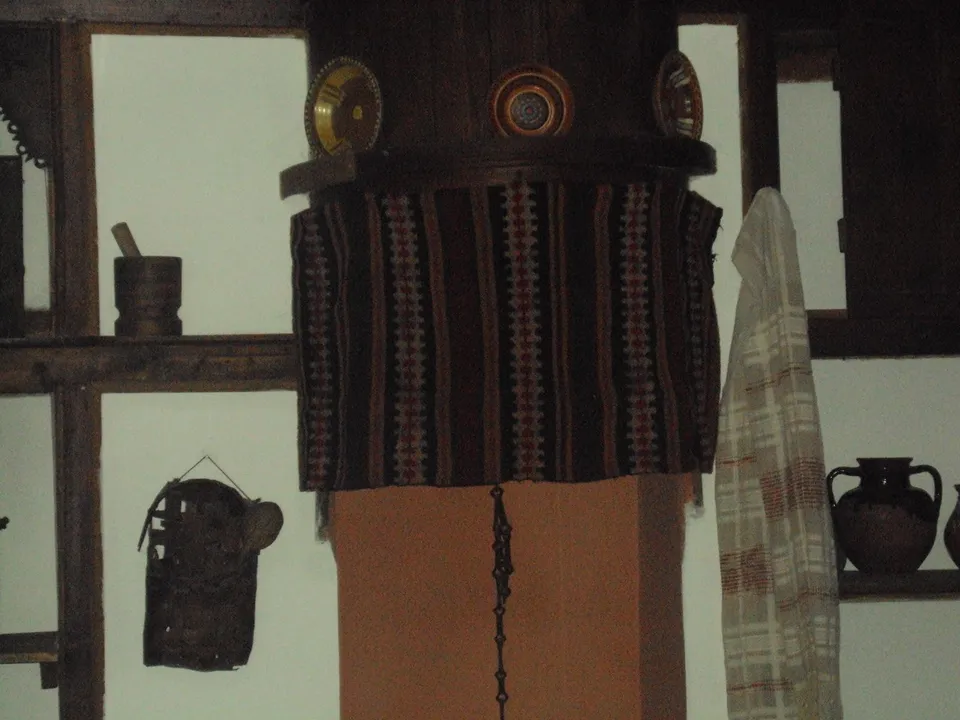
In the chapter Rada’s Troubles, the teacher Rada brings her pupils to an annual examination. An audience watches them. Stefchov asks questions that confuse them. Ognyanov is a character in the novel. He steps in and asks clearer questions. The children manage to answer.
We can read the scene this way: support helps the children overcome their fear.
Sources · 4
- Иван Вазов; digital text entered by Plovdiv University team, hosted by Моята библиотека Под игото
- Министерство на образованието и науката Модел на националното външно оценяване по български език и литература в VII клас през учебната –2024 година PDF
- Нов български университет; Университетски театър; департамент „Театър“ „Театрална совалка “ — online представя: „Под игото. Под карантина“
- vislupus File:House-Museum of Ivan Vazov 02.jpg
Part 5 · Revival
Activity: what does the picture establish?
What is the picture of the family supper?
Why is that?
Oberbauer depicts a literary scene. His signature and the year appear on the image.
Correct · An illustration for the novel.
- Йозеф Обербауер File:Чорбаджи Марко.jpg
- Иван Вазов; digital text entered by Plovdiv University team, hosted by Моята библиотека Под игото
Sources · 2
- Йозеф Обербауер File:Чорбаджи Марко.jpg
- Иван Вазов; digital text entered by Plovdiv University team, hosted by Моята библиотека Под игото
Part 6 · Revival
A book with two different dates
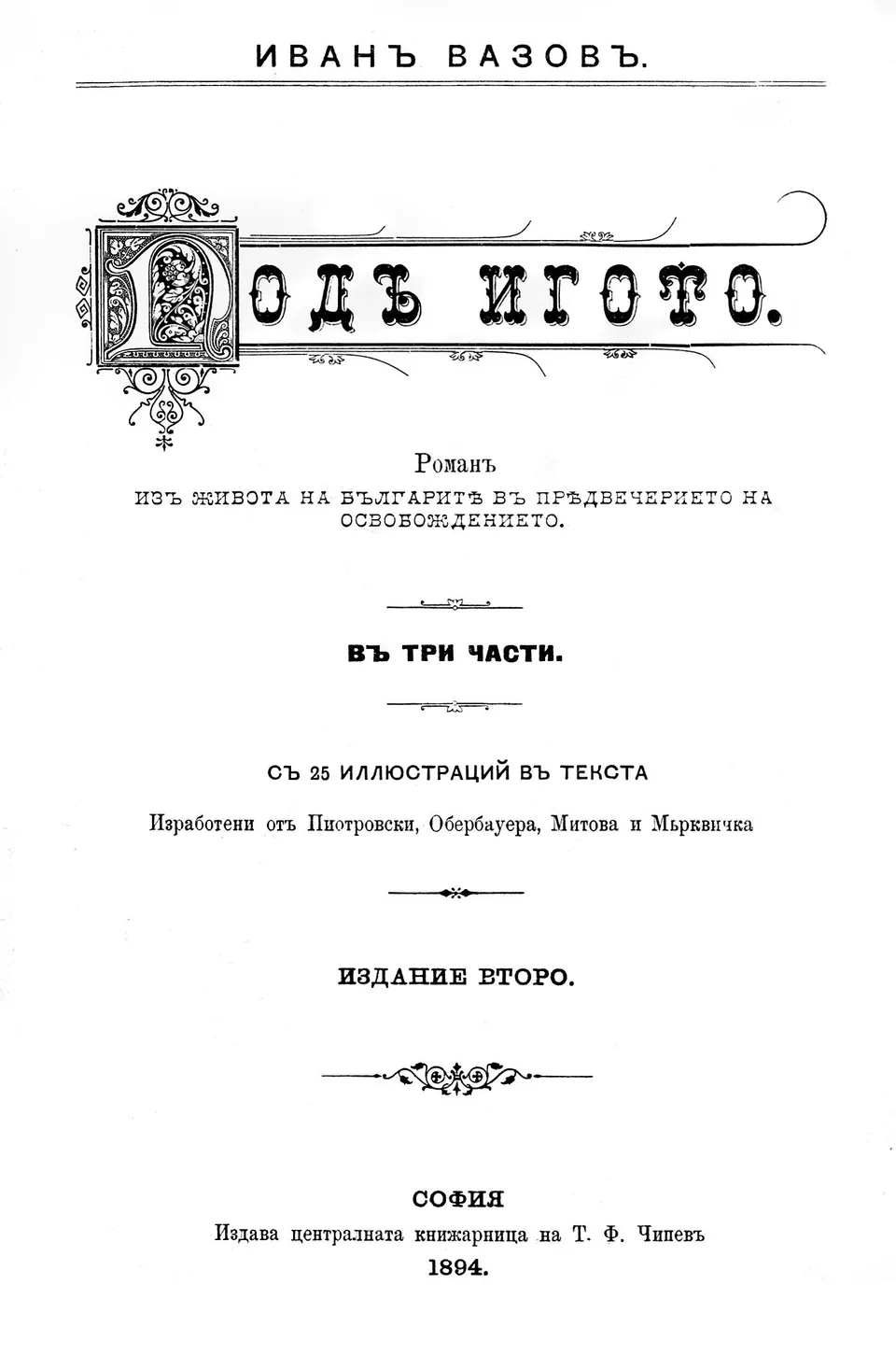
The novel appears in instalments in 1889–1890. Vazov is still completing it after returning to Bulgaria. Because of eye trouble, he dictates the continuation to his brother Boris. In 1894 Chipev publishes the separate Bulgarian book.
The English book appears in London in late 1893, although it bears the date 1894. Translations carry the story to people who cannot read Bulgarian.
- 1 · The title
- The title uses older Bulgarian spelling. Here we can read “yoke” as an image of Ottoman rule.
- 2 · Second edition
- This says Second edition. The novel first appeared in parts in a publication called the Collection.
- 3 · Sofia, 1894
- The bottom names Sofia, publisher Chipev and 1894. This is the Bulgarian book, not the English translation.
Sources · 5
- Илия Тодоров Из биографията на романа „Под игото“ (По повод на неговата стогодишнина) PDF
- Владимир Трендафилов Английският Вазов: преводачът на „Под игото“ / Vazov Anglicized: Who Translated Under the Yoke? PDF
- Иван Вазов; Столична библиотека Под игото
- OCLC WorldCat; Ivan Vazov; V. Andreev; Louis Léger Sous le joug turc (Pod Igoto): roman de la vie des Bulgares à la veille de leur libération
- Unknown author File:Под игото Титул.jpg
Part 7 · Revival
Activity: put the events in order
Put these events in order, earliest first.
Why is that?
The uprising comes before the writing. The separate book follows the start of composition.
Correct order
- April Uprising
- Starts the novel in Odesa
- Separate Bulgarian book
- Balázs Trencsényi and Michal Kopeček (eds.); entry signed BM (Boyan Manchev) Ivan Vazov: Under the yoke PDF
- Илия Тодоров Из биографията на романа „Под игото“ (По повод на неговата стогодишнина) PDF
- Иван Вазов; Столична библиотека Под игото
- Цветанка Неделчева; Къща музей „Иван Вазов“, Сопот Къща музей Иван Вазов — История
Sources · 4
- Balázs Trencsényi and Michal Kopeček (eds.); entry signed BM (Boyan Manchev) Ivan Vazov: Under the yoke PDF
- Илия Тодоров Из биографията на романа „Под игото“ (По повод на неговата стогодишнина) PDF
- Иван Вазов; Столична библиотека Под игото
- Цветанка Неделчева; Къща музей „Иван Вазов“, Сопот Къща музей Иван Вазов — История
Part 8 · Revival
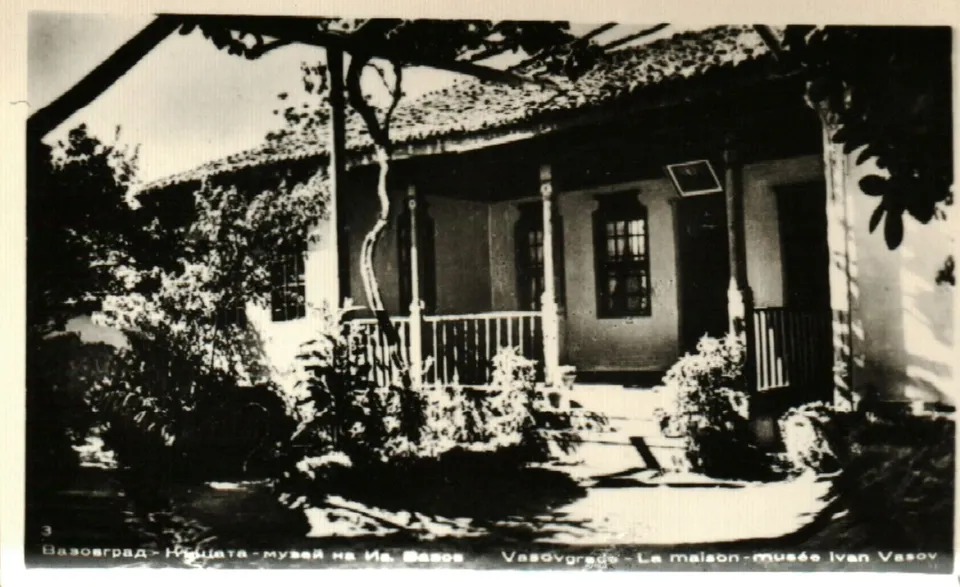
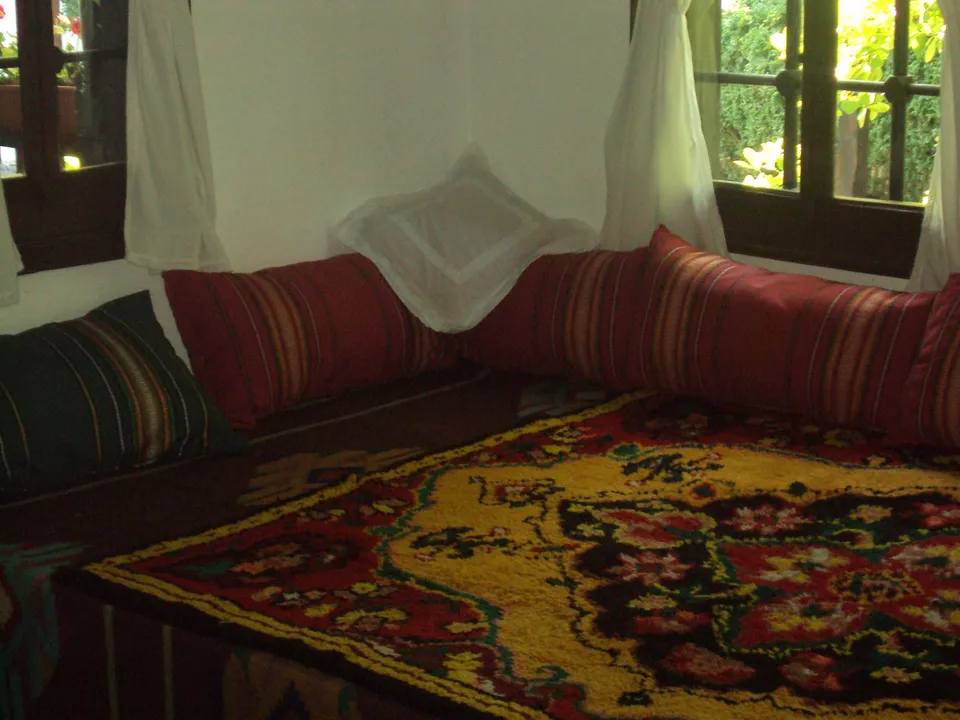
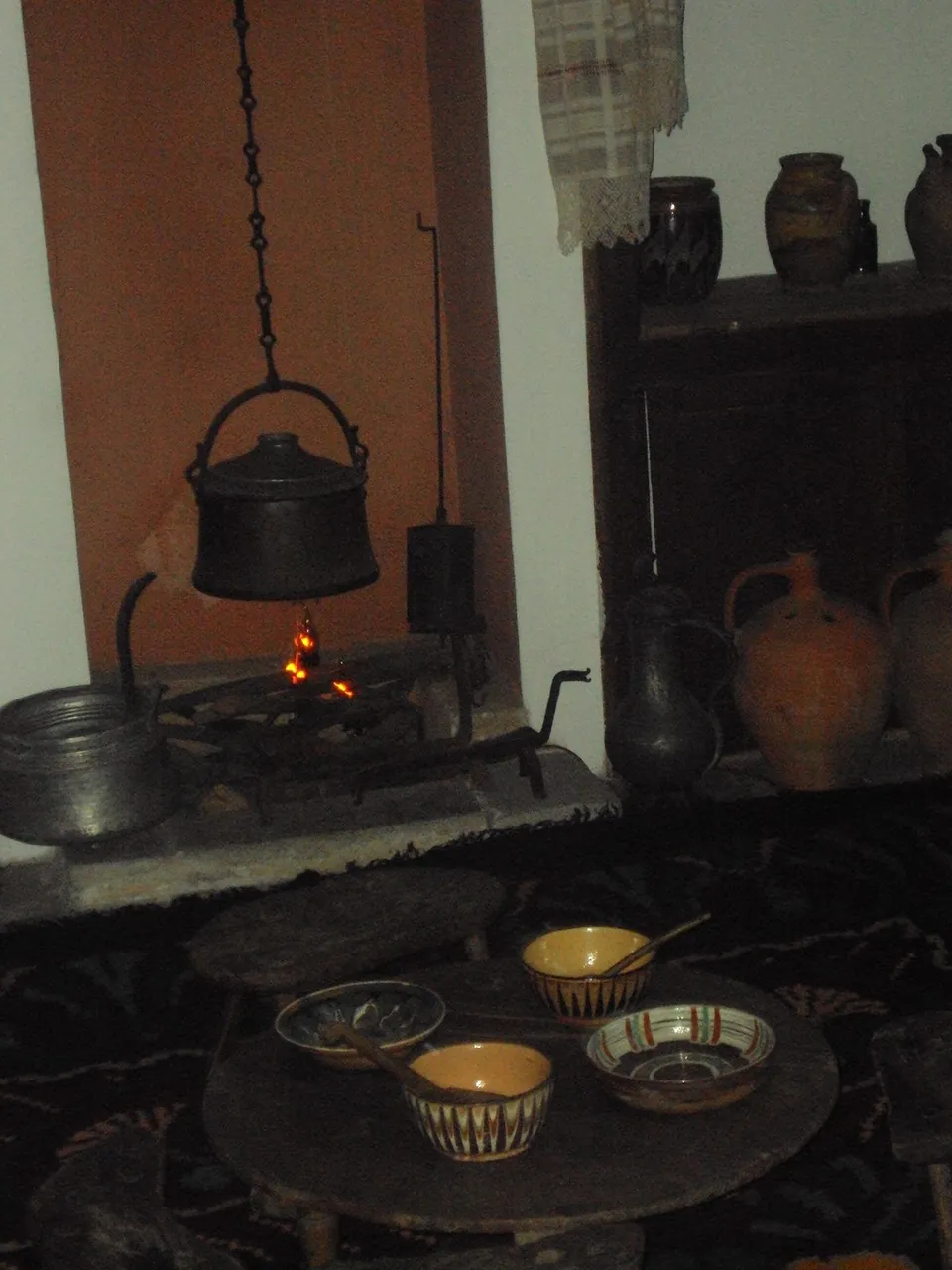
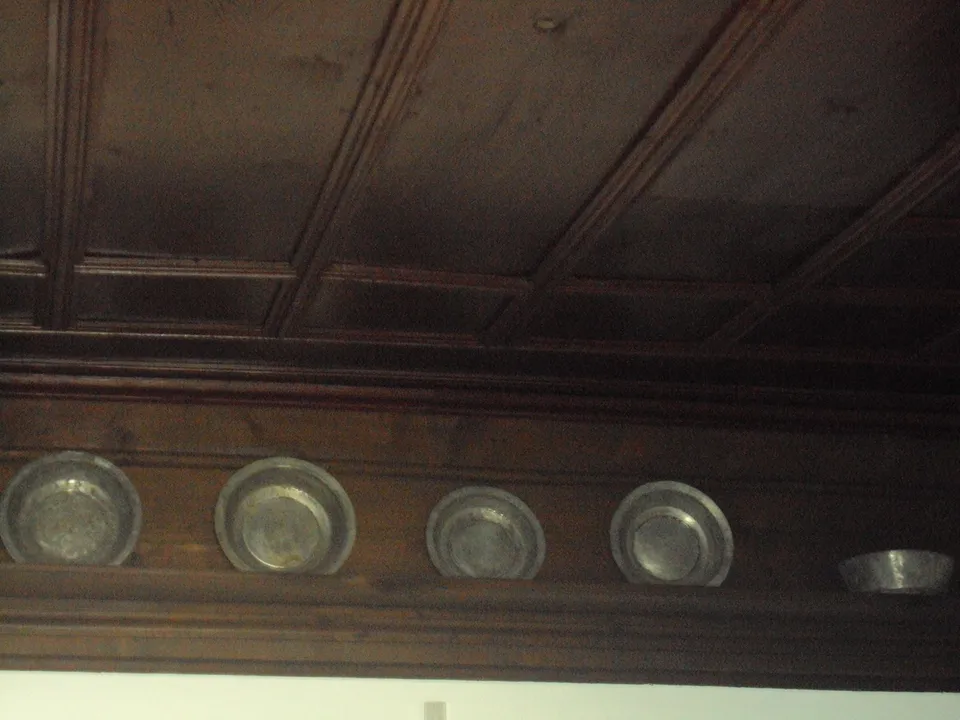
A house rebuilt after the fire
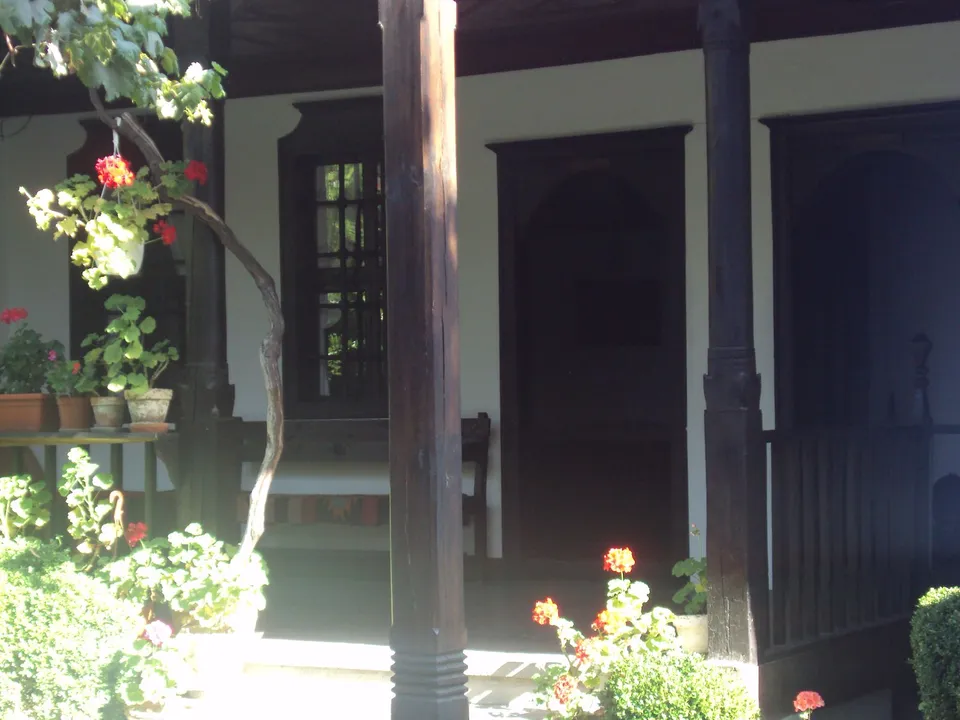
Vazov’s birth house in Sopot burns down in July 1877. Reconstruction begins in 1931, and the museum opens in 1935.
The rooms are arranged using family accounts and works such as Under the Yoke. Today’s photograph shows the rebuilt home, rather than the untouched house of his childhood.
Sources · 6
- Цветанка Неделчева; Къща музей „Иван Вазов“, Сопот Къща музей Иван Вазов — История
- vislupus File:House-Museum of Ivan Vazov 22.jpg
- Unknown author File:BASA-1399K-1-1853-6-Ivan Vazov's house, Sopot.JPG
- vislupus File:House-Museum of Ivan Vazov 13.jpg
- vislupus File:House-Museum of Ivan Vazov 01.jpg
- vislupus File:House-Museum of Ivan Vazov 14.jpg
Part 9 · Revival
Activity: match the people
Match each person to their role in this story.
Why is that?
Vazov creates the novel. Rada is a fictional character. Boris is his real brother, who helps with the writing.
- Илия Тодоров Из биографията на романа „Под игото“ (По повод на неговата стогодишнина) PDF
- Иван Вазов; digital text entered by Plovdiv University team, hosted by Моята библиотека Под игото
- Цветанка Неделчева; Къща музей „Иван Вазов“, Сопот Къща музей Иван Вазов — История
Sources · 3
- Илия Тодоров Из биографията на романа „Под игото“ (По повод на неговата стогодишнина) PDF
- Иван Вазов; digital text entered by Plovdiv University team, hosted by Моята библиотека Под игото
- Цветанка Неделчева; Къща музей „Иван Вазов“, Сопот Къща музей Иван Вазов — История
A new find for your collection
We can compare the novel and the rebuilt house: both draw on memories.
People in this story
Sources
- Balázs Trencsényi and Michal Kopeček (eds.); entry signed BM (Boyan Manchev) Ivan Vazov: Under the yoke PDF
- Wikimedia geographical database contributors London: geographical record
- Wikimedia geographical database contributors Odesa: geographical record
- Wikimedia geographical database contributors Sopot: geographical record
- Иван Вазов; Столична библиотека Под игото
- OCLC WorldCat; Ivan Vazov; V. Andreev; Louis Léger Sous le joug turc (Pod Igoto): roman de la vie des Bulgares à la veille de leur libération
- Unknown author File:BASA-1399K-1-1853-6-Ivan Vazov's house, Sopot.JPG
- vislupus File:House-Museum of Ivan Vazov 01.jpg
- vislupus File:House-Museum of Ivan Vazov 02.jpg
- vislupus File:House-Museum of Ivan Vazov 13.jpg
- vislupus File:House-Museum of Ivan Vazov 14.jpg
- vislupus File:House-Museum of Ivan Vazov 22.jpg
- Йозеф Обербауер File:Чорбаджи Марко.jpg
- Unknown author File:Под игото Титул.jpg
- Министерство на образованието и науката Модел на националното външно оценяване по български език и литература в VII клас през учебната –2024 година PDF
- Цветанка Неделчева; Къща музей „Иван Вазов“, Сопот Къща музей Иван Вазов — История
- Нов български университет; Университетски театър; департамент „Театър“ „Театрална совалка “ — online представя: „Под игото. Под карантина“
- Иван Вазов; digital text entered by Plovdiv University team, hosted by Моята библиотека Под игото
- Илия Тодоров Из биографията на романа „Под игото“ (По повод на неговата стогодишнина) PDF
- Владимир Трендафилов Английският Вазов: преводачът на „Под игото“ / Vazov Anglicized: Who Translated Under the Yoke? PDF
Images
Archive
Unknown author · Public domain · Bulgarian Archives State Agency / Wikimedia Commons
Full attribution
Unknown author; Bulgarian Archives State Agency / Wikimedia Commons. BASA 937K-1-410-7. Public domain. Crop supplied by Commons; unchanged here. Cut-out detail; background removed. Archival photograph
Archive
Unknown author · Public domain · Bulgarian Archives State Agency / Wikimedia Commons
Full attribution
Unknown author; Bulgarian Archives State Agency / Wikimedia Commons. BASA 937K-1-410-7. Public domain. Crop supplied by Commons; unchanged here. Processed image. Archival photograph
Drawing
Joseph Oberbauer · Public domain · Wikimedia Commons
Full attribution
Joseph Oberbauer (Йозеф Обербауер); Wikimedia Commons. Public domain. File unchanged. Processed image. Illustration
vislupus · CC BY-SA 4.0 · Wikimedia Commons
Full attribution
vislupus; Wikimedia Commons. CC BY-SA 4.0. File unchanged. Processed image.
Archive
Unknown author · Public domain · Wikimedia Commons
Full attribution
Unknown author; Wikimedia Commons. Public domain. File unchanged. Processed image. Title page
vislupus · CC BY-SA 4.0 · Wikimedia Commons
Full attribution
vislupus; Wikimedia Commons. CC BY-SA 4.0. File unchanged. Processed image.
Archive
Unknown author · Public domain · Bulgarian Archives State Agency / Wikimedia Commons
Full attribution
Unknown author; Bulgarian Archives State Agency / Wikimedia Commons. BASA 1399K-1-1853-6. Public domain. File unchanged. Processed image. Archival photograph
vislupus · CC BY-SA 4.0 · Wikimedia Commons
Full attribution
vislupus; Wikimedia Commons. CC BY-SA 4.0. File unchanged. Processed image.
vislupus · CC BY-SA 4.0 · Wikimedia Commons
Full attribution
vislupus; Wikimedia Commons. CC BY-SA 4.0. File unchanged. Processed image.
vislupus · CC BY-SA 4.0 · Wikimedia Commons
Full attribution
vislupus; Wikimedia Commons. CC BY-SA 4.0. File unchanged. Processed image.
Geographic context, without historical borders
Tom Patterson · Nathaniel Vaughn Kelso · Public domain · Natural Earth
Full attribution
Tom Patterson · Nathaniel Vaughn Kelso